Best for maximum volume
Sony Bravia 9 II
5.0 attribute score
Highest scored product for this attribute based on supporting review evidence.

Highest scored product for this attribute based on supporting review evidence.
Balances the attribute score, supporting reviews, and overall product strength.
Has the broadest review evidence for this attribute.
Strongest overall product among items with scored evidence for this attribute.
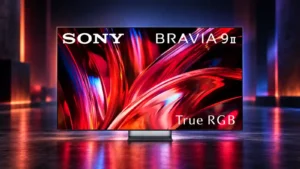
The built-in speakers can play at cinematically high levels without immediately losing composure.
Pros: overall satisfaction, overall image accuracy
Cons: value for money, bass performance

The revised speaker system can play louder than the previous generation while remaining useful at lower volume settings in everyday rooms.
Pros: overall satisfaction, picture quality
Cons: reliability, portability and versatility
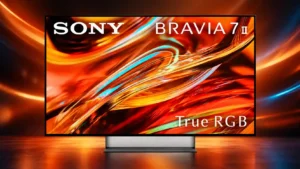
The speakers can play surprisingly loud for a TV without immediately falling apart, making them usable in more than just a small room.
Pros: overall satisfaction, picture quality
Cons: HDMI 2.1 port count, reflection handling
Standard-size models have modest output, while the 77-inch version can play surprisingly loud without immediately losing clarity.
Pros: picture quality, gaming performance
Cons: value for money, sound quality

Built-in audio can reach room-filling levels and sounds more dynamic than most thin TVs, making it viable without a soundbar in many rooms.
Pros: gaming performance, peak brightness
Cons: HDMI 2.1 support, HDMI 2.1 port count
Volume is adequate to room-filling in normal use, but high levels can introduce metallic harshness in one demanding audio test.
Pros: overall satisfaction, value for money
Cons: smart TV platform, blooming control

AI Sound Pro can produce sufficient or improved loudness, yet other tests found the speakers too quiet until pushed near their upper range.
Pros: picture quality, peak brightness
Cons: value for money, sound quality
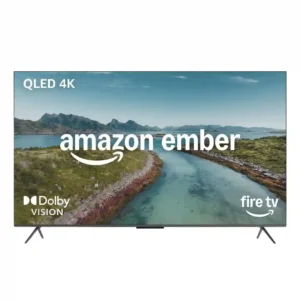
The TV can play fairly loud, but high volume may reduce definition or make busy scenes muddy. One comparison still found it less strained than a rival at maximum output.
Pros: picture quality, overall satisfaction
Cons: value for money, reliability
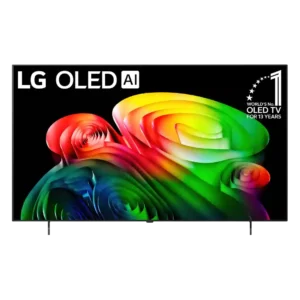
The rear-firing speakers lose some volume and detail against the wall, reducing impact at louder levels.
Pros: picture quality, value for money
Cons: stand quality, daytime viewing performance

Maximum volume is a recurring audio limitation: several customers wanted more output or found the sound less clear when pushed. Noisy settings such as a running bath can easily overwhelm...
Pros: overall satisfaction, portability and versatility
Cons: value for money, menu responsiveness
The speakers lack the output and impact needed to fill a living room convincingly on their own.
Pros: contrast ratio, value for money
Cons: peak brightness, HDR brightness

The speakers can lose composure when pushed hard, so demanding scenes at high volume expose the limits of the slim chassis.
Pros: glare resistance, black levels
Cons: Dolby Vision support, color gamut
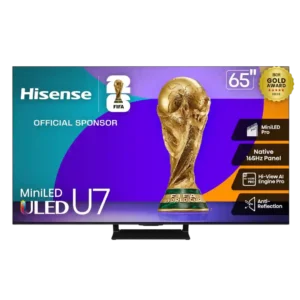
The built-in system can get loud easily, though sheer volume does not always translate into the most refined balance.
Pros: overall satisfaction, picture quality
Cons: reliability, build quality