Best for sustained brightness
Sony Bravia 9 II
5.0 attribute score
Highest scored product for this attribute based on supporting review evidence.

Highest scored product for this attribute based on supporting review evidence.
Balances the attribute score, supporting reviews, and overall product strength.
Has the broadest review evidence for this attribute.
Strongest overall product among items with scored evidence for this attribute.
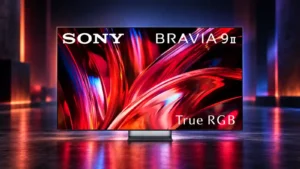
Brightness can remain extremely high for sustained periods; one test held near 4,000 nits for several minutes.
Pros: overall satisfaction, overall image accuracy
Cons: value for money, bass performance
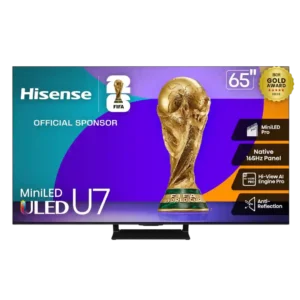
Brightness stays impressively strong across both highlights and larger bright areas, helping HDR retain impact beyond tiny test windows.
Pros: overall satisfaction, picture quality
Cons: reliability, build quality
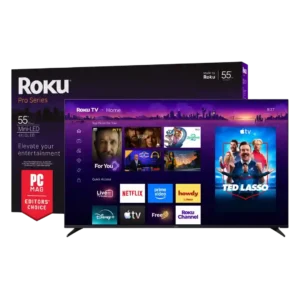
Full-screen brightness remains strong rather than collapsing, helping the TV keep a punchy image across large bright scenes.
Pros: overall satisfaction, picture quality
Cons: reliability, portability and versatility

Full-screen HDR brightness around the mid-400-nit range is a meaningful OLED upgrade, improving sports, bright scenes, and room-light performance.
Pros: picture quality, peak brightness
Cons: value for money, sound quality
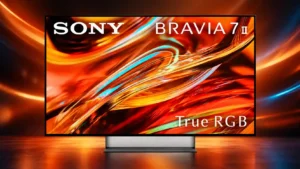
Full-screen brightness is strong for the class, though the 7 II gives up substantial sustained output to the Bravia 9 II.
Pros: overall satisfaction, picture quality
Cons: HDMI 2.1 port count, reflection handling
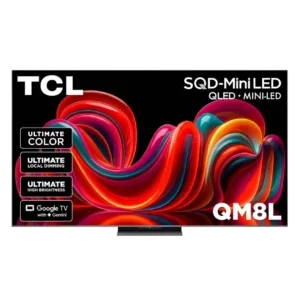
The TV can hold very high brightness for real viewing rather than only producing brief test-pattern spikes. Performance may settle below its initial peak, but remains exceptionally strong.
Pros: picture quality, value for money
Cons: stand quality, judder handling
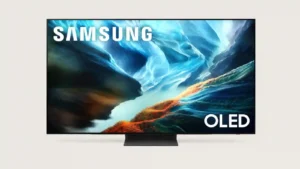
Full-screen brightness falls as OLED protection engages, but the sustained result is still described as competitive for the class.
Pros: glare resistance, black levels
Cons: Dolby Vision support, color gamut
Full-screen brightness remains a relative OLED weakness, especially beside the brightest rivals, although SDR full-field performance is less limiting than on older OLEDs.
Pros: gaming performance, peak brightness
Cons: HDMI 2.1 support, HDMI 2.1 port count
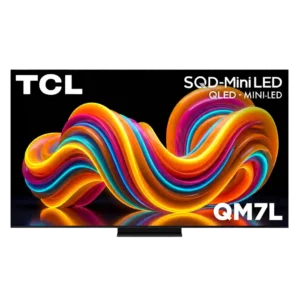
Full-screen and accurate-mode brightness can remain strong, but output may drop quickly after the brightest short-window peaks.
Pros: peak brightness, picture quality
Cons: color accuracy, viewing angles
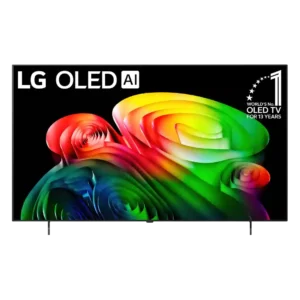
Fullscreen brightness improves only modestly and can vary by picture mode. Small highlights benefit more than sustained bright scenes.
Pros: picture quality, value for money
Cons: stand quality, daytime viewing performance
Full-screen white and snowy scenes can look dim, exposing the panel’s sustained-brightness limits. Everyday SDR content fares better against the OLED rivals compared.
Pros: contrast ratio, value for money
Cons: peak brightness, HDR brightness
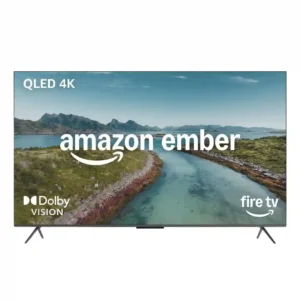
One expert found the picture consistently less bright than other TVs they had tested. Full-screen performance is usable, but it does not create the sustained luminance of stronger competitors.
Pros: picture quality, overall satisfaction
Cons: value for money, reliability
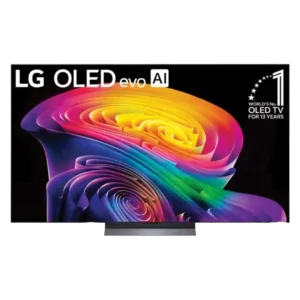
Bright full-screen scenes trigger noticeable automatic brightness limiting, so sports and snow-heavy content can look dimmer than small HDR highlights suggest.
Pros: picture quality, gaming performance
Cons: value for money, sound quality