Best for variable refresh rate
LG B6
5.0 attribute score
Highest scored product for this attribute based on supporting review evidence.

Highest scored product for this attribute based on supporting review evidence.
Balances the attribute score, supporting reviews, and overall product strength.
Has the broadest review evidence for this attribute.
Strongest overall product among items with scored evidence for this attribute.
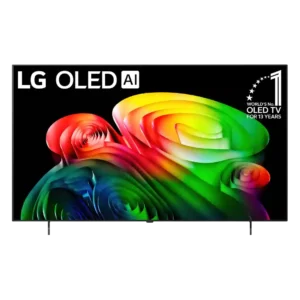
VRR performs cleanly and removes visible tearing without adding perceptible lag.
Pros: picture quality, value for money
Cons: stand quality, daytime viewing performance
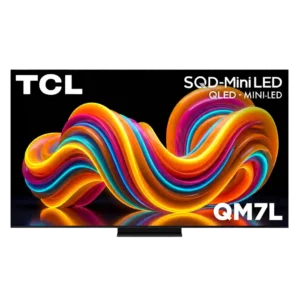
VRR works effectively across consoles and prevents visible tearing during supported gameplay.
Pros: peak brightness, picture quality
Cons: color accuracy, viewing angles
VRR works well alongside 4K/120Hz and helps keep fast console gaming smooth.
Pros: overall satisfaction, overall image accuracy
Cons: value for money, bass performance

VRR is viewed as a strong gaming feature, smoothing frame-rate changes across supported consoles and PCs.
Pros: glare resistance, black levels
Cons: Dolby Vision support, color gamut

FreeSync, G-Sync, and HDMI VRR work smoothly up to very high frame rates, with only the usual OLED flicker possible in some static game scenes.
Pros: picture quality, peak brightness
Cons: value for money, sound quality
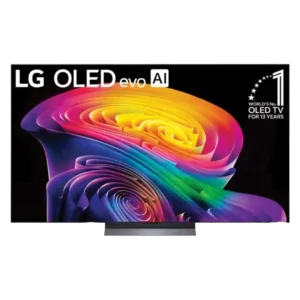
HDMI VRR, FreeSync, and G-SYNC support keep gameplay smooth and largely tear-free. Occasional flicker was reported in demanding PC use.
Pros: picture quality, gaming performance
Cons: value for money, sound quality
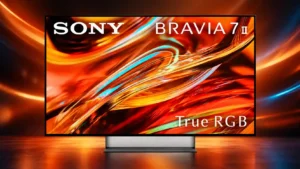
VRR works reliably across console and PC use, with HDMI VRR and G-SYNC helping smooth frame-rate changes.
Pros: overall satisfaction, picture quality
Cons: HDMI 2.1 port count, reflection handling
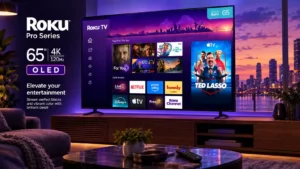
VRR operates reliably in the gaming tests and helps make 120Hz play smooth.
Pros: contrast ratio, value for money
Cons: peak brightness, HDR brightness
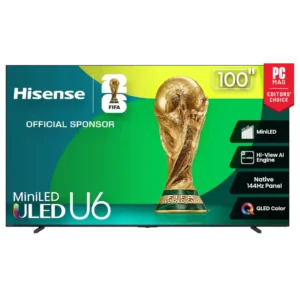
VRR is mostly viewed positively and contributes to smooth, tear-free play. One source says it is unavailable, and another finds it can be finicky depending on the HDMI input used.
Pros: overall satisfaction, value for money
Cons: smart TV platform, blooming control

VRR generally keeps gameplay fluid, but isolated flicker was observed in at least one demanding title. Most compatible games should still benefit.
Pros: picture quality, value for money
Cons: stand quality, judder handling
VRR can deliver very smooth console gameplay, but the 120Hz cap and lack of low-frame-rate VRR below 60Hz limit flexibility for PC use.
Pros: gaming performance, peak brightness
Cons: HDMI 2.1 support, HDMI 2.1 port count
VRR support is extensive and useful, but flicker, smearing, and frame-rate transition quirks prevent it from being flawless.
Pros: overall satisfaction, picture quality
Cons: reliability, build quality
One review notes that VRR status is not well confirmed in the context of a 60Hz panel, weakening the gaming case. Even where VRR is listed, the low refresh ceiling...
Pros: picture quality, overall satisfaction
Cons: value for money, reliability