Best for overall image accuracy
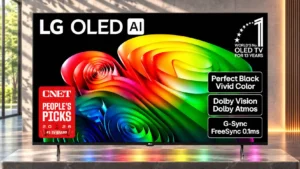
LG B5 OLED
5.0 attribute score
Highest scored product for this attribute based on supporting review evidence.

Highest scored product for this attribute based on supporting review evidence.
Balances the attribute score, supporting reviews, and overall product strength.
Has the broadest review evidence for this attribute.
Strongest overall product among items with scored evidence for this attribute.

Overall: 4.2/5
Color temperature and film-mode presentation are close to reference from the outset, so major calibration work is rarely necessary.
Pros: value for money, color accuracy
Cons: HDR brightness, reflection handling

Overall: 4.2/5
Careful picture selection or calibration brings close-to-reference color and white balance, improving on uneven out-of-box settings.
Pros: picture quality, glare resistance
Cons: value for money, bass performance
Overall: 3.8/5
The picture is very faithful in most modes, with particularly good white balance and careful HDR mapping.
Pros: cable management, design and appearance
Cons: value for money, Dolby Vision support
Overall: 3.9/5
Calibration can bring gamma, white balance, and colors impressively close to target.
Pros: picture quality, contrast ratio
Cons: HDR performance, motion handling
Overall: 4.0/5
Excellent out-of-box accuracy produces convincing colors, white balance and tonal balance with minimal work.
Pros: overall satisfaction, picture quality
Cons: size options, value for money
Overall: 3.8/5
Accurate presets and calibration give natural-looking colors, although brightness tracking and cooler tones leave some room for refinement.
Pros: picture quality, contrast ratio
Cons: blooming control, glare resistance

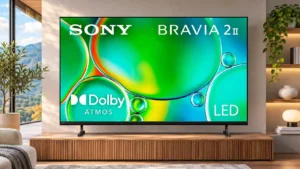
Overall: 3.5/5
After adjustment, the Frame produces exceptionally accurate color and a much more balanced color temperature.
Pros: art display mode, design and appearance
Cons: overall satisfaction, HDMI port accessibility
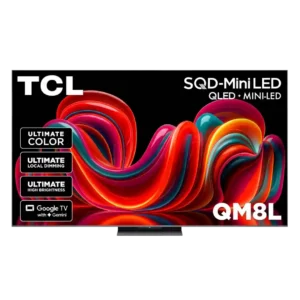
Overall: 3.6/5
Out-of-box SDR tuning is impressively faithful, with only small deviations in color and gamma.
Pros: picture quality, overall satisfaction
Cons: sound quality, reliability
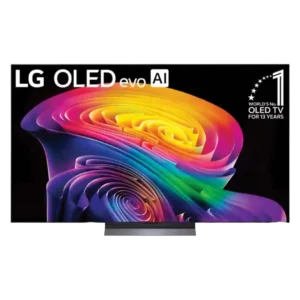
Overall: 4.4/5
Movie mode can deliver a bright, accurate image straight from the factory, making the TV easy to enjoy without extensive adjustment.
Pros: picture quality, value for money
Cons: stand quality, judder handling
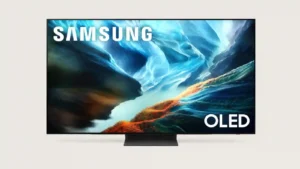
Overall: 4.1/5
Filmmaker Mode is impressively accurate out of the box, with several measurements landing close to reference targets. Most buyers can get a natural, creator-faithful image without professional calibration.
Pros: picture quality, gaming performance
Cons: value for money, sound quality
Overall: 4.5/5
Accuracy is strongest in Filmmaker-style settings, where skin tones, grayscale and source intent look convincing. More aggressive presets can trade that fidelity for extra brightness and punch.
Pros: glare resistance, black levels
Cons: Dolby Vision support, color gamut

Overall: 4.2/5
Picture accuracy improves substantially when correctly calibrated, with finely balanced tones and impressive detail. The more vivid presets emphasize spectacle over strict accuracy.
Pros: high-refresh-rate gaming, gaming performance
Cons: value for money, bass performance

Overall: 4.0/5
Overall image accuracy is generally a clear strength, adding to the QM6K’s appealing balance of picture performance and practical features.
Pros: color accuracy, picture quality
Cons: HDR brightness, peak brightness

Overall: 3.9/5
The picture is strongly oriented toward natural, reference-style reproduction, with especially accurate HDR and calibrated modes despite some criticism of Sony’s calibration targets.
Pros: gaming performance, peak brightness
Cons: HDMI 2.1 support, HDMI 2.1 port count
Overall: 3.3/5
The strongest technical bright spot is the W70B's factory SDR accuracy. Whites and standard-color tones look unusually faithful without extensive adjustments.
Pros: picture quality, motion handling
Cons: HDR performance, HDR brightness
Overall: 4.2/5
The TV can be exceptionally faithful to creative intent, with several tests calling its tuning reference-like. Accuracy depends on mode, and some factory presets show red or white-balance errors.
Pros: overall satisfaction, picture quality
Cons: HDMI 2.1 port count, reflection handling
Overall: 4.1/5
Natural skin tones and strong SDR accuracy are widely appreciated. Default white balance and some HDR brightness behavior leave room for refinement.
Pros: contrast ratio, value for money
Cons: peak brightness, HDR brightness
Overall: 4.3/5
Default picture accuracy is good and further calibration can produce excellent results; minor coolness or tonal bias remains before adjustment.
Pros: picture quality, black levels
Cons: bass performance, HDR brightness
Overall: 3.4/5
HDR tracking and tuned picture modes can be impressively accurate, even though the panel cannot deliver strong HDR contrast.
Pros: picture quality, color accuracy
Cons: remote control quality, black levels
Overall: 3.1/5
Calibration produces very faithful SDR color and brightness tracking, even though the hardware's contrast is limited.
Pros: picture quality, overall satisfaction
Cons: sound quality, black levels
Overall: 3.8/5
The TV can produce very accurate images after calibration, with natural colors and controlled whites. The limited calibration toolkit makes some HDR errors harder to correct.
Pros: HDMI 2.1 port count, Video input versatility
Cons: value for money, overall satisfaction

Overall: 3.4/5
Calibration can bring white balance and gamma very close to target, although some saturated blues remain slightly off.
Pros: picture quality, value for money
Cons: viewing angles, HDR performance
Overall: 4.3/5
Image accuracy is one of the TV’s signature strengths, especially in Professional mode, with natural color and reference-like tonal balance. A few mode-specific quirks keep it from perfection.
Pros: overall satisfaction, overall image accuracy
Cons: value for money, bass performance

Overall: 4.0/5
Filmmaker and Cinema presets deliver convincing, mostly faithful images. Out-of-box choices outside those presets can require adjustment.
Pros: value for money, overall satisfaction
Cons: Remote control usability, sound quality

Overall: 4.4/5
Filmmaker Mode can look natural and reference-like, especially after firmware fixes. Sample-to-sample tint and changing HDR tracking caused some inconsistent early results.
Pros: picture quality, peak brightness
Cons: value for money, sound quality

Overall: 4.2/5
Accurate picture modes can look very natural when selected carefully. Movie and Dolby Vision Dark modes receive the strongest comments for a balanced, reference-like image.
Pros: overall satisfaction, value for money
Cons: smart TV platform, blooming control
Overall: 4.1/5
Natural color reproduction is a highlight, while HDR white balance and near-black gamma are less perfect.
Pros: black levels, contrast ratio
Cons: Dolby Vision support, stutter handling
Overall: 3.0/5
SDR image accuracy impressed in controlled tests, with good white balance and gamma, while a few subjective observations noted tinted skin.
Pros: color gamut, smart TV platform
Cons: value for money, overall satisfaction
Overall: 4.0/5
Filmmaker and calibrated settings can deliver extremely accurate pictures, although factory presets and individual units draw less consistent praise.
Pros: peak brightness, picture quality
Cons: HDMI 2.1 port count, reflection handling

Overall: 4.0/5
Accurate film presentation is possible in restrained modes, but some brightness and color settings depart from creative intent.
Pros: peak brightness, blooming control
Cons: value for money, motion clarity
Overall: 3.9/5
Accurate picture presets can preserve a cinematic look close to mastering intent; the default modes may need tuning to avoid exaggerated color and brightness.
Pros: value for money, overall satisfaction
Cons: Dolby Vision support, sound quality
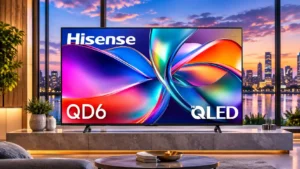
Overall: 3.0/5
Factory SDR calibration is impressively accurate, while HDR requires more compromise.
Pros: color accuracy, Picture detail
Cons: HDR performance, motion clarity

Overall: 4.1/5
Both SDR and HDR accuracy are strong out of the box, with small cool-color or white-balance deviations.
Pros: overall satisfaction, value for money
Cons: Smart TV platform, advertising intrusiveness
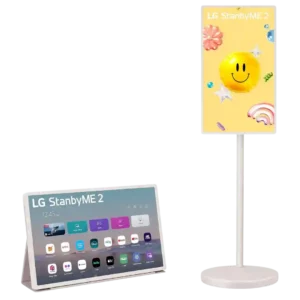
Overall: 3.8/5
With brighter, colorful content, the StanByMe 2 can produce a natural-looking image with convincing textures. Its accuracy is less assured in demanding dark scenes where the LCD backlight becomes more...
Pros: overall satisfaction, portability and versatility
Cons: value for money, menu responsiveness
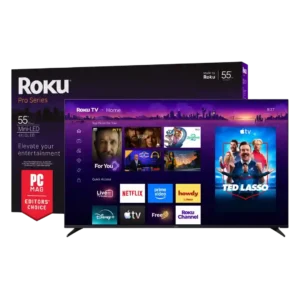
Overall: 4.4/5
Movie mode can look natural and realistic once the automatic processing is dialed in, with no major rendering errors in normal viewing.
Pros: overall satisfaction, picture quality
Cons: reliability, portability and versatility
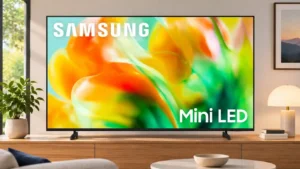
Overall: 3.1/5
Default SDR accuracy is strong, even if slightly pinkish whites and unbalanced gamma remain.
Pros: gaming performance, color accuracy
Cons: value for money, overall satisfaction
Overall: 3.8/5
The screen can look excellent after calibration, with neutral whites and much better color balance than its factory settings.
Pros: overall satisfaction, color gamut
Cons: value for money, local dimming performance
Overall: 4.0/5
Overall SDR accuracy is strong with some HDR deviations.
Pros: black levels, picture quality
Cons: glare resistance, reflection handling
Overall: 3.8/5
Factory SDR colors are particularly well tuned, and HDR color mapping is mostly good despite some midtone and luminance errors.
Pros: HDMI 2.1 port count, overall satisfaction
Cons: HDR performance, bass performance
Overall: 4.1/5
Color mapping is generally convincing straight out of the box; blue shades are a small exception.
Pros: value for money, overall satisfaction
Cons: HDR brightness
Overall: 4.0/5
Many scenes look beautifully balanced and natural, but a greenish cast is visible in certain side-by-side comparisons.
Pros: contrast ratio, black levels
Cons: reflection handling, color accuracy
Overall: 3.0/5
Out-of-box SDR accuracy is surprisingly respectable for a budget TV, and calibration can improve it further. HDR accuracy is less predictable.
Pros: picture quality, smart TV platform
Cons: value for money, refresh rate
Overall: 4.1/5
Filmmaker Mode can look impressively natural in SDR, but HDR calibration and some tone-mapping behaviors vary, with cool color casts and red saturation errors in certain modes.
Pros: gaming performance, HDR brightness
Cons: reflection handling, glare resistance
Overall: 3.9/5
Filmmaker Mode and other presets can look natural and accurate, but several units showed cool, magenta, or washed-out tendencies before adjustment. Out-of-box accuracy ranges from very good to disappointing depending...
Pros: peak brightness, picture quality
Cons: color accuracy, viewing angles
Overall: 3.8/5
SDR white balance is often good; bright-tone gamma and uncalibrated HDR colors can be less reliable.
Pros: overall satisfaction, picture quality
Cons: value for money, local dimming performance
Overall: 3.9/5
Color accuracy is generally acceptable, but HDR mapping errors remain visible in some hues.
Pros: overall satisfaction, picture quality
Cons: Weight and handling, black levels

Overall: 3.9/5
HDR tone mapping is credible, but pre-calibration white balance and color-mapping errors remain.
Pros: color volume, black levels
Cons: Inconsistent panel and coating by size, sound quality
Overall: 3.9/5
Filmmaker Mode can look beautifully faithful to the intended image, but several default presets exaggerate color and HDR calibration leaves errors.
Pros: gaming performance, overall satisfaction
Cons: sound quality, value for money
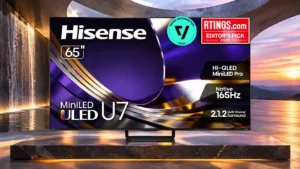
Overall: 4.2/5
Filmmaker Mode can look impressively faithful, but HDR white balance and default brightness curves need care for reference results.
Pros: overall satisfaction, glare resistance
Cons: motion handling, viewing angles
Overall: 3.8/5
The B6 can present realistic detail and strong SDR color, but a green cast, overbrightening and occasional near-black faults compromise consistency.
Pros: value for money, peak brightness
Cons: color accuracy, stand quality