Best for HDR10+ support
Panasonic Z95B OLED
5.0 attribute score
Highest scored product for this attribute based on supporting review evidence.

Highest scored product for this attribute based on supporting review evidence.
Balances the attribute score, supporting reviews, and overall product strength.
Has the broadest review evidence for this attribute.
Strongest overall product among items with scored evidence for this attribute.
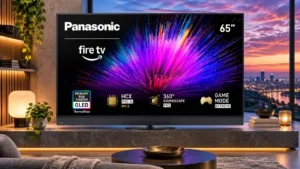
Overall: 4.3/5
HDR10+ is available in addition to Dolby Vision, providing broad dynamic-HDR compatibility with supported discs and streams.
Pros: picture quality, color accuracy
Cons: bass performance, HDMI 2.1 port count
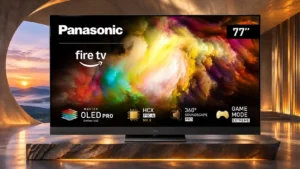
Overall: 4.0/5
HDR10+ looks excellent and retains flexible picture controls alongside the TV's separate Dolby Vision options.
Pros: overall satisfaction, picture quality
Cons: size options, value for money

Overall: 3.3/5
HDR10+ sits within the TV’s unusually broad HDR format support, a point reviewers view positively. It helps make the set flexible across different HDR sources.
Pros: picture quality, overall satisfaction
Cons: value for money, reliability
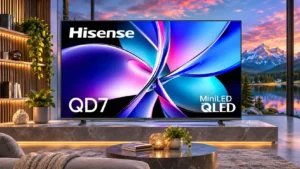
Overall: 3.9/5
HDR10+ is praised for handling scene-to-scene brightness changes and giving supported content a lively presentation.
Pros: picture quality, contrast ratio
Cons: HDR performance, motion handling

Overall: 4.2/5
HDR10+ support contributes to the TV's unusually broad HDR compatibility, a feature set praised as excellent for the price.
Pros: overall satisfaction, value for money
Cons: smart TV platform, blooming control
Overall: 3.9/5
HDR10+ content produces bright, striking specular highlights and complements the TV's equally strong Dolby Vision support.
Pros: peak brightness, picture quality
Cons: color accuracy, viewing angles

Overall: 4.0/5
HDR10+ playback is well supported, and reviewers found the dedicated HDR modes capable of delivering a strong image.
Pros: overall satisfaction, picture quality
Cons: reliability, build quality
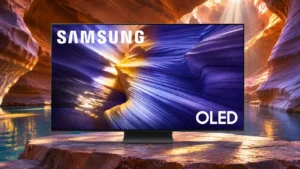
Overall: 3.9/5
HDR10+ content benefits from rich color and highlight impact, although the format is not as widespread as Dolby Vision.
Pros: value for money, overall satisfaction
Cons: Dolby Vision support, sound quality
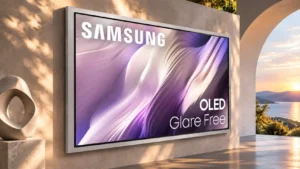
Overall: 4.2/5
HDR10+ gives compatible content dynamic HDR handling, but it does not resolve the missing Dolby Vision option.
Pros: picture quality, overall satisfaction
Cons: design and appearance, Dolby Vision support
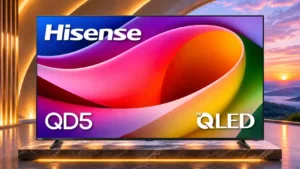
Overall: 3.9/5
HDR10+ compatibility is welcomed for vivid-looking HDR content, but the panel's limited contrast still constrains the effect.
Pros: overall satisfaction, picture quality
Cons: Weight and handling, black levels

Overall: 3.8/5
HDR10+ Adaptive is credited with bringing out image details and more expressive highlights.
Pros: picture quality, color accuracy
Cons: HDR performance, sound quality

Overall: 4.3/5
Adaptive HDR10+ playback is part of the broad format selection, reducing compatibility worries across streaming services.
Pros: picture quality, black levels
Cons: bass performance, HDR brightness
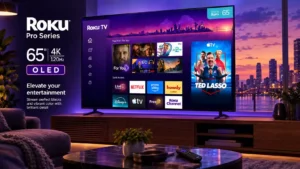
Overall: 4.1/5
HDR10+ alongside Dolby Vision expands compatibility beyond the format combinations offered by many competing OLEDs.
Pros: contrast ratio, value for money
Cons: peak brightness, HDR brightness
Overall: 3.3/5
HDR10+ adds dynamic-metadata compatibility, though limited panel brightness reduces the visual payoff.
Pros: overall satisfaction, picture quality
Cons: reliability, remote control quality

Overall: 3.6/5
HDR10+ broadens compatibility with dynamic-HDR material, a welcome capability at this price.
Pros: black levels, picture quality
Cons: HDR performance, blooming control

Overall: 4.0/5
HDR10+ remains Samsung’s dynamic-metadata alternative to Dolby Vision; it works well where content supports it.
Pros: reflection handling, overall satisfaction
Cons: Dolby Vision support, bass performance

Overall: 3.5/5
HDR10+ provides an alternative dynamic-HDR option on supported material, but it cannot make up for the display's limited peak brightness.
Pros: art display mode, design and appearance
Cons: overall satisfaction, HDMI port accessibility

Overall: 4.2/5
HDR10+ provides dynamic HDR compatibility as a practical alternative, but it cannot fully replace the missing Dolby Vision catalog.
Pros: picture quality, glare resistance
Cons: value for money, bass performance
Overall: 3.0/5
HDR10+ playback is supported alongside Dolby Vision, a useful advantage over some rivals.
Pros: color accuracy, Picture detail
Cons: HDR performance, motion clarity
Overall: 3.3/5
HDR10+ is a welcome supported alternative, although its benefits cannot compensate for the TV's relatively modest panel brightness.
Pros: color accuracy, upscaling quality
Cons: picture quality, sound quality

Overall: 3.8/5
HDR10+ material is supported, but its visual impact varies and can sometimes look flatter than expected.
Pros: picture quality, 4K at 144 Hz support
Cons: sound quality, value for money
Overall: 4.0/5
HDR10+ mitigates some of the missing Dolby Vision functionality.
Pros: black levels, picture quality
Cons: glare resistance, reflection handling

Overall: 3.8/5
HDR10+ offers a useful alternative to Dolby Vision for compatible programming.
Pros: cable management, design and appearance
Cons: value for money, Dolby Vision support
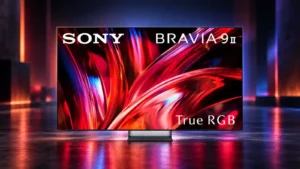
Overall: 4.3/5
HDR10+ is absent, but one assessment found Sony’s HDR10 tone mapping good enough that the missing format was not missed in practice.
Pros: overall satisfaction, overall image accuracy
Cons: value for money, bass performance
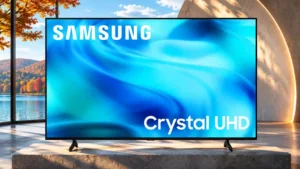
Overall: 2.7/5
HDR10+ compatibility is useful on paper, yet the panel lacks the luminance and contrast to take full advantage of the format.
Pros: white balance accuracy, design and appearance
Cons: overall satisfaction, value for money
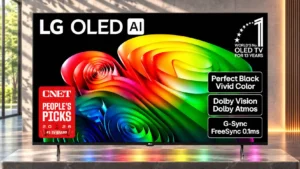
Overall: 3.8/5
HDR10+ is missing, but the omission is considered relatively minor given support for other popular HDR formats.
Pros: value for money, peak brightness
Cons: color accuracy, stand quality

Overall: 3.8/5
HDR10 is usable, but the absence of Dolby Vision is a disappointing compromise for format-conscious viewers.
Pros: Wireless One Connect compatibility, art display mode
Cons: value for money, input lag
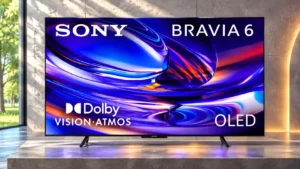
Overall: 3.8/5
There is no HDR10+ decoding, so HDR10+-only titles rely on a compatible fallback format. Dolby Vision support helps offset the omission on other content.
Pros: HDMI 2.1 port count, Video input versatility
Cons: value for money, overall satisfaction

Overall: 4.0/5
Dolby Vision is present, but the lack of HDR10+ disappoints buyers who use that alternative dynamic-HDR format.
Pros: value for money, overall satisfaction
Cons: Remote control usability, sound quality

Overall: 4.0/5
The lack of HDR10+ frustrates viewers who want every major dynamic HDR format, even though Dolby Vision is included.
Pros: picture quality, black levels
Cons: HDR brightness, value for money

Overall: 4.4/5
HDR10+ remains unsupported, leaving Dolby Vision, HDR10, and HLG as the main formats.
Pros: picture quality, peak brightness
Cons: value for money, sound quality

Overall: 4.1/5
LG still leaves out HDR10+, reducing format flexibility for viewers with compatible sources.
Pros: gaming performance, HDR brightness
Cons: reflection handling, glare resistance
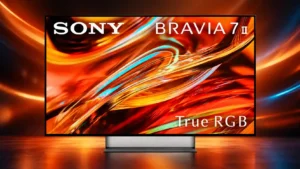
Overall: 4.2/5
HDR10+ is absent, and several sources call that omission disappointing on a premium-priced TV.
Pros: overall satisfaction, picture quality
Cons: HDMI 2.1 port count, reflection handling

Overall: 4.2/5
The lack of HDR10+ is a drawback for viewers seeking every premium HDR format, although Dolby Vision coverage is a meaningful offset.
Pros: overall satisfaction, picture quality
Cons: banding control, remote control quality

Overall: 3.4/5
HDR10+ is available, but one detailed evaluation found its dark-scene presentation just as disappointing as Dolby Vision.
Pros: art display mode, picture quality
Cons: contrast ratio, high-refresh-rate gaming
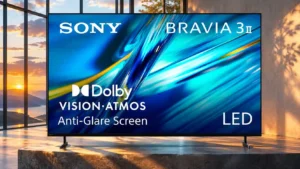
Overall: 3.8/5
There is no HDR10+ decoding, so compatible services fall back to standard HDR10. That omission matters more because the display has limited brightness headroom.
Pros: HDMI 2.1 port count, overall satisfaction
Cons: HDR performance, bass performance

Overall: 3.9/5
HDR10+ is not supported, a genuine format omission for services or sources that rely on it.
Pros: gaming performance, peak brightness
Cons: HDMI 2.1 support, HDMI 2.1 port count

Overall: 4.1/5
HDR10+ remains unsupported, which limits format flexibility for some streaming and gaming content despite otherwise strong HDR capabilities.
Pros: picture quality, gaming performance
Cons: value for money, sound quality
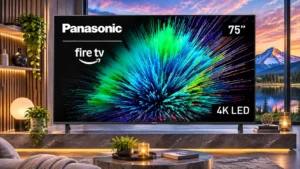
Overall: 3.3/5
HDR10+ decoding is present, but the lack of meaningful dynamic-metadata processing limits its real-world advantage.
Pros: picture quality, motion handling
Cons: HDR performance, HDR brightness