Best for refresh rate
Samsung S90H
5.0 attribute score
Highest scored product for this attribute based on supporting review evidence.

Highest scored product for this attribute based on supporting review evidence.
Balances the attribute score, supporting reviews, and overall product strength.
Has the broadest review evidence for this attribute.
Strongest overall product among items with scored evidence for this attribute.

The 165Hz ceiling is a major gaming upgrade for capable PCs and is repeatedly praised as a premium feature.
Pros: glare resistance, black levels
Cons: Dolby Vision support, color gamut
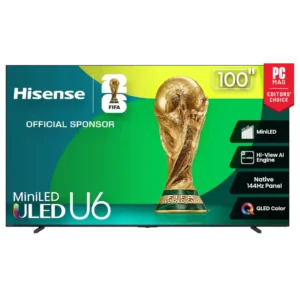
The high native refresh rate is praised for producing visibly smoother animation and gaming. At this price, 144Hz capability is repeatedly treated as a premium-level feature.
Pros: overall satisfaction, value for money
Cons: smart TV platform, blooming control

The native 120Hz panel extends to 165Hz with compatible PCs, providing excellent flexibility for gaming.
Pros: picture quality, peak brightness
Cons: value for money, sound quality
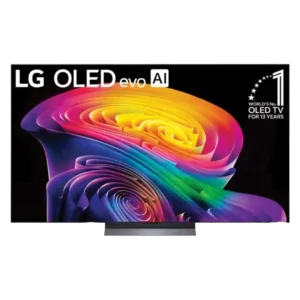
The native 120Hz panel supports VRR up to 165Hz, giving PC gamers more headroom than the C5.
Pros: picture quality, gaming performance
Cons: value for money, sound quality

The native high refresh rate makes fast gameplay feel smooth and responsive, particularly with compatible consoles and PCs.
Pros: picture quality, value for money
Cons: stand quality, judder handling
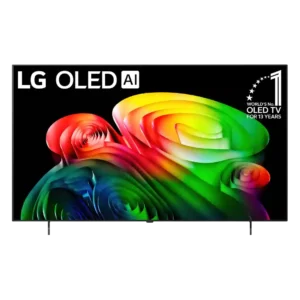
The native 120Hz panel keeps fast sports and games smooth, and reviewers achieved stable high-frame-rate playback.
Pros: picture quality, value for money
Cons: stand quality, daytime viewing performance
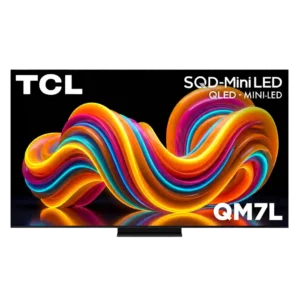
The fast native refresh rate handles sports and games well, helping high-speed content stay clear.
Pros: peak brightness, picture quality
Cons: color accuracy, viewing angles
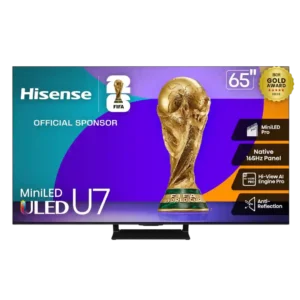
The native high refresh rate is a major selling point, with 165Hz support giving PC gamers more headroom than typical 120Hz TVs.
Pros: overall satisfaction, picture quality
Cons: reliability, build quality

The 120Hz refresh rate is a strong fit for gaming and feels like a major upgrade over older TVs. A few sports viewers still report motion lag despite the higher...
Pros: overall satisfaction, picture quality
Cons: reliability, portability and versatility
The 120Hz panel provides smooth console play, though it cannot match the refresh rates of faster OLED models.
Pros: contrast ratio, value for money
Cons: peak brightness, HDR brightness

The 120Hz refresh rate is perfectly workable for consoles but looks conservative beside premium TVs offering 144Hz or 165Hz.
Pros: gaming performance, peak brightness
Cons: HDMI 2.1 support, HDMI 2.1 port count
A native 120Hz panel is ideal for current consoles, but it looks conservative beside PC-focused rivals offering 144Hz, 165Hz or higher.
Pros: overall satisfaction, picture quality
Cons: HDMI 2.1 port count, reflection handling
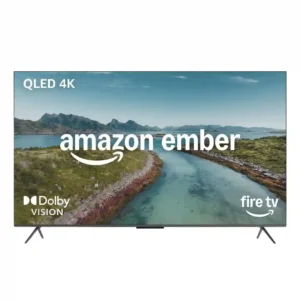
The 60Hz panel is acceptable to some casual users but a major limitation for serious gamers and fast-motion buyers. Several rivals offer 120Hz or 144Hz at similar prices.
Pros: picture quality, overall satisfaction
Cons: value for money, reliability
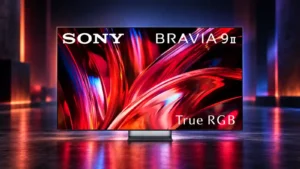
The native refresh rate tops out at 120Hz, which is sufficient for consoles but trails newer 144Hz and 165Hz competitors.
Pros: overall satisfaction, overall image accuracy
Cons: value for money, bass performance