Best for advertising intrusiveness
Sony Bravia 9 II
5.0 attribute score
Highest scored product for this attribute based on supporting review evidence.

Highest scored product for this attribute based on supporting review evidence.
Balances the attribute score, supporting reviews, and overall product strength.
Has the broadest review evidence for this attribute.
Strongest overall product among items with scored evidence for this attribute.
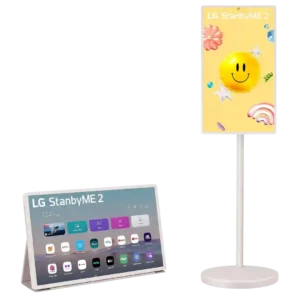
The customized webOS interface earned praise for omitting the on-screen ads and promotions found on some regular LG TV interfaces. That cleaner home screen was a welcome change.
Pros: overall satisfaction, portability and versatility
Cons: value for money, menu responsiveness
Apps Only mode can provide a notably clean, clutter-free home screen for buyers who want to avoid advertising.
Pros: overall satisfaction, overall image accuracy
Cons: value for money, bass performance
Google TV includes many recommendations but was described as organized and not excessively ad-heavy.
Pros: peak brightness, picture quality
Cons: color accuracy, viewing angles
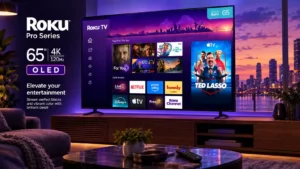
The home screen is relatively restrained about advertising. Its single large ad still takes up noticeable space, even though it is preferable to heavier advertising elsewhere.
Pros: contrast ratio, value for money
Cons: peak brightness, HDR brightness

Google TV’s recommendation rows are present but generally feel relevant and unobtrusive rather than overwhelming the home screen.
Pros: picture quality, value for money
Cons: stand quality, judder handling
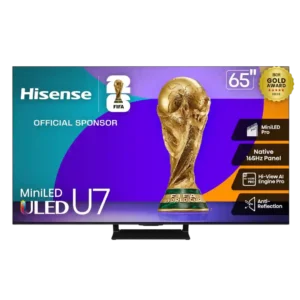
The home screen can feel ad-heavy to some owners, including a complaint that there is no simple way to turn those promotions off.
Pros: overall satisfaction, picture quality
Cons: reliability, build quality

Ads are a notable point of disagreement. Some reviewers find them restrained versus rival platforms, while others strongly dislike large, unavoidable ads in Roku menus.
Pros: overall satisfaction, picture quality
Cons: reliability, portability and versatility

Large banner ads occupy a substantial portion of the webOS home screen. Some promotions can be disabled, but the space cannot be removed entirely.
Pros: picture quality, peak brightness
Cons: value for money, sound quality
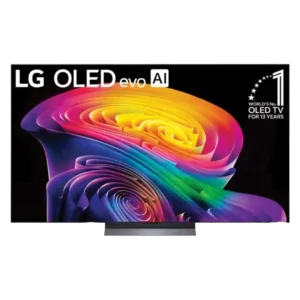
Large home-screen banners and screensaver promotions are distracting on a premium TV. LG at least allows some advertising to be disabled.
Pros: picture quality, gaming performance
Cons: value for money, sound quality
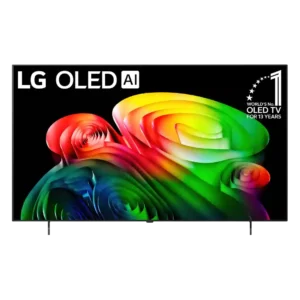
Advertising remains intrusive, including a large home-screen banner and ad-heavy LG apps.
Pros: picture quality, value for money
Cons: stand quality, daytime viewing performance

Ad behavior is inconsistent across impressions: one interface showed no top banner, while others criticized Samsung TV Plus autoplay and persistent promotional content.
Pros: glare resistance, black levels
Cons: Dolby Vision support, color gamut
Google TV’s home screen is not ad-free, and large promotional banners can be distracting.
Pros: overall satisfaction, picture quality
Cons: HDMI 2.1 port count, reflection handling

Google TV runs smoothly, but its overly zealous advertising is a recurring annoyance in an otherwise polished smart-TV experience.
Pros: gaming performance, peak brightness
Cons: HDMI 2.1 support, HDMI 2.1 port count
Advertising is the clearest smart-platform complaint. Fire TV is repeatedly described as heavy on promotions or unrelated product ads, and this is one of the strongest recurring negatives.
Pros: overall satisfaction, value for money
Cons: smart TV platform, blooming control
Ads are one of the clearest consensus complaints. Fire TV’s home screen, recommendations, and upselling can feel aggressive, with several customers describing them as intrusive or obstructive.
Pros: picture quality, overall satisfaction
Cons: value for money, reliability