Best for daytime viewing performance
TCL QM8L
5.0 attribute score
Highest scored product for this attribute based on supporting review evidence.

Highest scored product for this attribute based on supporting review evidence.
Balances the attribute score, supporting reviews, and overall product strength.
Has the broadest review evidence for this attribute.
Strongest overall product among items with scored evidence for this attribute.

This TV excels in bright rooms, maintaining color, contrast, and visibility even with blinds open. Sports and daytime HDR are standout use cases.
Pros: picture quality, value for money
Cons: stand quality, judder handling

Bright-room performance is unusually strong for OLED because reflections are suppressed and brightness remains useful even with windows or overhead lights present.
Pros: glare resistance, black levels
Cons: Dolby Vision support, color gamut

High full-screen brightness and excellent anti-reflection treatment make this one of the strongest OLEDs for bright living rooms without sacrificing deep blacks.
Pros: picture quality, peak brightness
Cons: value for money, sound quality
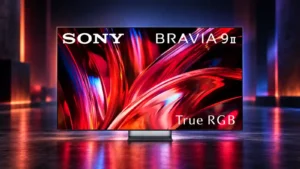
Bright-room viewing is one of the TV’s clearest advantages. Huge light output and the anti-reflective screen keep the picture readable, colorful and punchy in daylight.
Pros: overall satisfaction, overall image accuracy
Cons: value for money, bass performance

The QM7L is usually an excellent bright-room TV thanks to high full-screen output and vivid color. Direct sunlight can still wash out darker detail in some environments.
Pros: peak brightness, picture quality
Cons: color accuracy, viewing angles
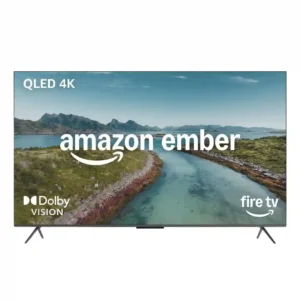
Despite reflection concerns, several reviews find the brighter panel usable and often good in daylight. Owners also report sports and movies remaining watchable during the day.
Pros: picture quality, overall satisfaction
Cons: value for money, reliability
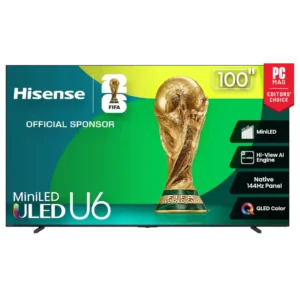
Daytime viewing is generally strong because the TV gets bright enough to remain punchy in well-lit rooms. Reflection handling is less consistent, so window placement still matters.
Pros: overall satisfaction, value for money
Cons: smart TV platform, blooming control
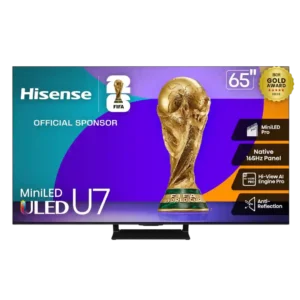
This is one of the TV’s strongest use cases: extreme brightness lets the picture hold up very well in sunny or otherwise bright rooms.
Pros: overall satisfaction, picture quality
Cons: reliability, build quality

High brightness makes the TV a strong daytime performer, even in rooms with large windows. Glare and a few reports of dim dark scenes keep it from being universally ideal.
Pros: overall satisfaction, picture quality
Cons: reliability, portability and versatility

Bright-room performance is serviceable and the anti-reflective treatment helps, but strong ambient light can flatten blacks and make brighter rivals more suitable.
Pros: gaming performance, peak brightness
Cons: HDMI 2.1 support, HDMI 2.1 port count
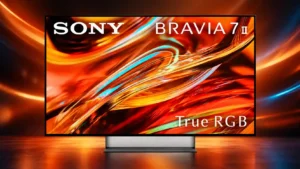
The panel has enough brightness for sports and general daytime viewing, but direct windows and lamps can create distracting reflections. Bright rooms are its most context-dependent use case.
Pros: overall satisfaction, picture quality
Cons: HDMI 2.1 port count, reflection handling
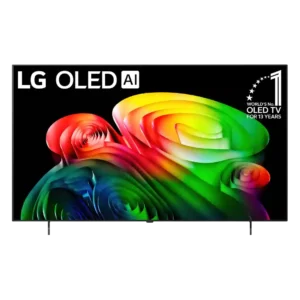
Daytime performance is usable thanks to improved brightness, especially in Standard or Vivid mode. Strong overhead lighting can still expose the reflective screen.
Pros: picture quality, value for money
Cons: stand quality, daytime viewing performance
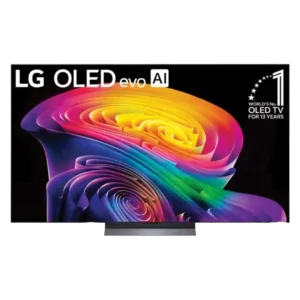
The brighter panel makes ordinary daytime viewing practical, but direct light and dark scenes can still be difficult because of reflections.
Pros: picture quality, gaming performance
Cons: value for money, sound quality
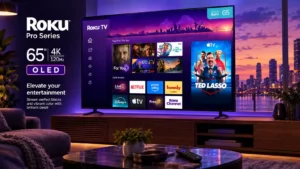
Bright rooms are the main weak point, especially with dark scenes. Some find ordinary home lighting manageable, but sunny rooms expose the brightness ceiling.
Pros: contrast ratio, value for money
Cons: peak brightness, HDR brightness
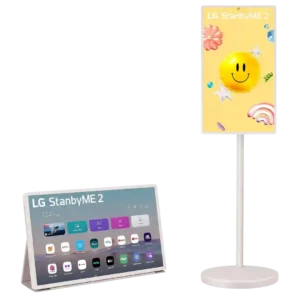
One dissatisfied buyer found the screen very difficult to see in sunlight. That makes bright outdoor or sunlit-room viewing a potential concern.
Pros: overall satisfaction, portability and versatility
Cons: value for money, menu responsiveness