Best for HDR format support
Hisense U6SF Pro
5.0 attribute score
Highest scored product for this attribute based on supporting review evidence.

Highest scored product for this attribute based on supporting review evidence.
Balances the attribute score, supporting reviews, and overall product strength.
Has the broadest review evidence for this attribute.
Strongest overall product among items with scored evidence for this attribute.

Overall: 4.1/5
Dolby Vision, HDR10+, and other common HDR options provide wide compatibility across streaming and discs.
Pros: overall satisfaction, value for money
Cons: Smart TV platform, advertising intrusiveness
Overall: 3.3/5
Format coverage is excellent, with reviewers appreciating broad support for Dolby Vision, HDR10, HDR10+ and related formats. Compatibility is not the problem; panel performance is the larger constraint.
Pros: picture quality, overall satisfaction
Cons: value for money, reliability
Overall: 4.3/5
Dolby Vision, HDR10+, HDR10 and HLG give this set particularly complete HDR compatibility.
Pros: picture quality, color accuracy
Cons: bass performance, HDMI 2.1 port count
Overall: 4.2/5
HDR format support is a clear strength, with the major formats repeatedly praised as unusually complete for this price tier.
Pros: overall satisfaction, value for money
Cons: smart TV platform, blooming control

Overall: 3.7/5
Dolby Vision, HDR10+, HDR10 and HLG coverage lets viewers access the appropriate version of most HDR programs.
Pros: value for money, HDR brightness
Cons: color accuracy, shadow detail

Overall: 4.0/5
The TV covers essentially every major HDR format reviewers cared about, making format compatibility a clear strength.
Pros: overall satisfaction, picture quality
Cons: reliability, build quality
Overall: 4.1/5
Dolby Vision and HDR10+ content are both well served, allowing a wide range of streaming and disc sources to use HDR.
Pros: peak brightness, HDR brightness
Cons: sound quality, viewing angles
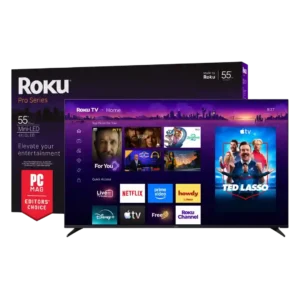
Overall: 4.4/5
HDR and Dolby Vision content are praised for vivid, high-impact color, making the TV well suited to modern HDR sources.
Pros: overall satisfaction, picture quality
Cons: reliability, portability and versatility
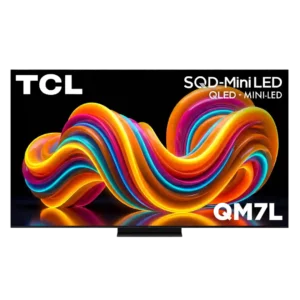
Overall: 3.9/5
Dolby Vision, HDR10, HDR10+, and HLG provide unusually complete HDR compatibility for this price tier.
Pros: peak brightness, picture quality
Cons: color accuracy, viewing angles
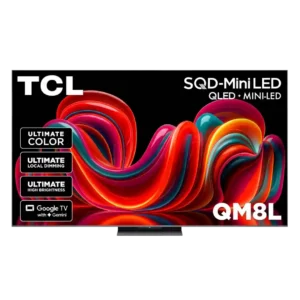
Overall: 4.4/5
Broad HDR compatibility helps the QM8L display richly graded content across major formats rather than forcing buyers into a single ecosystem.
Pros: picture quality, value for money
Cons: stand quality, judder handling

Overall: 3.8/5
The range of supported HDR formats is broad enough to avoid choosing a TV around one preferred HDR standard.
Pros: picture quality, overall satisfaction
Cons: color crosstalk, value for money
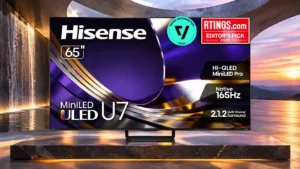
Overall: 4.2/5
Dolby Vision and HDR10+ cover both major premium HDR ecosystems, so format compatibility is rarely a concern.
Pros: overall satisfaction, glare resistance
Cons: motion handling, viewing angles
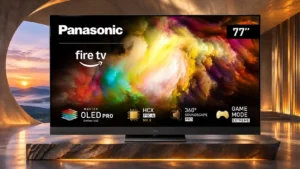
Overall: 4.0/5
Support for both Dolby Vision and HDR10+ is a meaningful strength for viewers using varied services and sources.
Pros: overall satisfaction, picture quality
Cons: size options, value for money
Overall: 4.3/5
Support for Dolby Vision and HDR10+ variants gives streaming viewers strong compatibility with popular HDR sources.
Pros: picture quality, black levels
Cons: bass performance, HDR brightness

Overall: 4.0/5
Support for major HDR standards gives the TV flexibility across discs and services, without changing the display’s brightness ceiling.
Pros: color accuracy, picture quality
Cons: HDR brightness, peak brightness
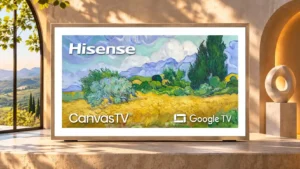
Overall: 3.8/5
Useful HDR formats including Dolby Vision IQ and HDR10+ Adaptive contribute positively to supported content.
Pros: picture quality, color accuracy
Cons: HDR performance, sound quality
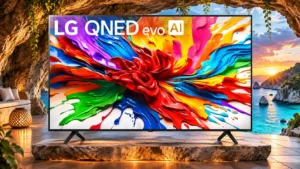
Overall: 3.9/5
Dolby Vision, HDR10, and HLG compatibility are welcomed for modern movie and streaming sources.
Pros: gaming performance, overall satisfaction
Cons: sound quality, value for money
Overall: 4.1/5
Supporting both Dolby Vision and HDR10+ is an uncommon advantage for viewers using different HDR sources.
Pros: contrast ratio, value for money
Cons: peak brightness, HDR brightness
Overall: 3.8/5
Dolby Vision, HDR10 and HLG give good access to mainstream streaming formats. HDR10+ remains absent, even for services that offer it.
Pros: HDMI 2.1 port count, overall satisfaction
Cons: HDR performance, bass performance
Overall: 3.6/5
Support for both major dynamic HDR formats makes the QM5K flexible across streaming services and compatible sources.
Pros: black levels, picture quality
Cons: HDR performance, blooming control

Overall: 4.0/5
HDR10 and HDR10+ offer strong image quality, but the omission of Dolby Vision reduces format flexibility.
Pros: reflection handling, overall satisfaction
Cons: Dolby Vision support, bass performance
Overall: 3.8/5
Dolby Vision, HDR10 and HLG give broad movie compatibility; HDR10+ remains absent.
Pros: value for money, peak brightness
Cons: color accuracy, stand quality

Overall: 3.9/5
Dolby Vision and HDR10+ broaden compatibility with streaming and movie sources that use different HDR standards.
Pros: peak brightness, value for money
Cons: reflection handling, glare resistance
Overall: 4.2/5
HDR format support is a mixed area, combining useful capabilities with practical caveats.
Pros: overall satisfaction, picture quality
Cons: banding control, remote control quality
Overall: 3.0/5
The set accepts the main HDR formats through apps and external players, although displaying impactful HDR is another matter.
Pros: color accuracy, Picture detail
Cons: HDR performance, motion clarity
Overall: 3.8/5
HDR10, HLG, and Dolby Vision cover the major formats many viewers use. HDR10+ is absent, so that particular format requires fallback playback.
Pros: HDMI 2.1 port count, Video input versatility
Cons: value for money, overall satisfaction
Overall: 2.9/5
Dolby Vision, HDR10+, HDR10, and HLG make the set flexible with HDR sources, even if its image hardware cannot maximize every format.
Pros: value for money, picture quality
Cons: account requirements, gaming performance

Overall: 4.0/5
Dolby Vision, HDR10 and HLG cover most common viewing needs, although HDR10+ remains absent.
Pros: value for money, overall satisfaction
Cons: Remote control usability, sound quality
Overall: 3.1/5
HDR10, HDR10+ and HLG are available, but Dolby Vision is a conspicuous omission.
Pros: gaming performance, color accuracy
Cons: value for money, overall satisfaction
Overall: 3.0/5
HDR10, HDR10+ and HLG are supported, but Dolby Vision is absent and the panel cannot make most HDR scenes impactful.
Pros: picture quality, smart TV platform
Cons: value for money, refresh rate
Overall: 4.1/5
Dolby Vision, HDR10, and HLG are supported, but the continued absence of HDR10+ keeps the format lineup from being complete.
Pros: picture quality, gaming performance
Cons: value for money, sound quality
Overall: 4.1/5
Dolby Vision and HDR10 cover common material well, but HDR10+ and Dolby Vision 2 are absent.
Pros: gaming performance, HDR brightness
Cons: reflection handling, glare resistance
Overall: 3.8/5
HDR10 and HDR10+ are available, but the missing Dolby Vision option limits compatibility with some premium content.
Pros: overall satisfaction, picture quality
Cons: value for money, local dimming performance

Overall: 3.9/5
HDR10+ is present, but the lack of Dolby Vision limits compatibility with some preferred movie and gaming formats.
Pros: color volume, black levels
Cons: Inconsistent panel and coating by size, sound quality

Overall: 4.2/5
HDR10+ is available, but the missing Dolby Vision format limits versatility with certain sources and gaming systems.
Pros: high-refresh-rate gaming, gaming performance
Cons: value for money, bass performance
Overall: 4.0/5
Available HDR formats are useful, but Dolby Vision is excluded.
Pros: black levels, picture quality
Cons: glare resistance, reflection handling
Overall: 2.7/5
The TV accepts common HDR material, but a missing Dolby Vision option and limited panel contrast reduce its usefulness.
Pros: white balance accuracy, design and appearance
Cons: overall satisfaction, value for money
Overall: 3.0/5
HDR10 and HLG cover basic HDR playback, but the lack of Dolby Vision and HDR10+ leaves important formats unavailable.
Pros: viewing angles, smart TV platform
Cons: overall satisfaction, refresh rate
Overall: 3.3/5
Basic HDR formats are usable, but Dolby Vision is missing and HDR10+ does not deliver the expected full dynamic-metadata treatment.
Pros: picture quality, motion handling
Cons: HDR performance, HDR brightness
Overall: 3.6/5
HDR10 and HLG are available, but the missing Dolby Vision option is disappointing for viewers who specifically value that format.
Pros: picture quality, overall satisfaction
Cons: sound quality, reliability
Overall: 4.1/5
Dolby Vision is notably missing from an otherwise capable HDR display, potentially restricting preferred content formats.
Pros: black levels, contrast ratio
Cons: Dolby Vision support, stutter handling
Overall: 3.8/5
HDR10+ support is useful, but the missing Dolby Vision option narrows compatibility with films and streaming services.
Pros: picture quality, 4K at 144 Hz support
Cons: sound quality, value for money
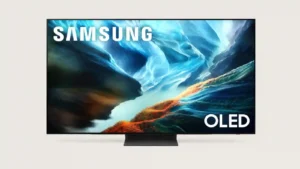
Overall: 4.5/5
The S90H handles HDR10-family content well, but the continued absence of Dolby Vision remains a meaningful format limitation for some movie viewers.
Pros: glare resistance, black levels
Cons: Dolby Vision support, color gamut
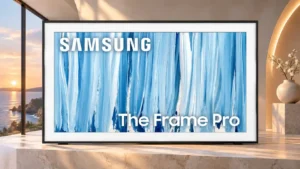
Overall: 3.8/5
HDR10+ is supported, but no Dolby Vision leaves a notable gap for format-conscious viewers.
Pros: cable management, design and appearance
Cons: value for money, Dolby Vision support
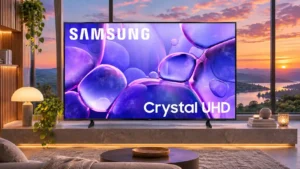
Overall: 3.3/5
The available HDR formats provide basic compatibility, but limited luminance and missing Dolby Vision reduce the appeal for format-focused viewers.
Pros: color accuracy, upscaling quality
Cons: picture quality, sound quality
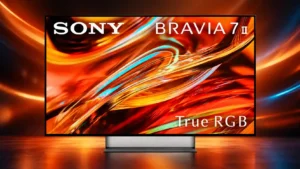
Overall: 4.2/5
The format lineup is strong but incomplete because HDR10+ is missing, an omission that feels harder to justify at this price.
Pros: overall satisfaction, picture quality
Cons: HDMI 2.1 port count, reflection handling

Overall: 3.9/5
Core HDR formats are well covered, but the absence of HDR10+ means those sources fall back to static HDR10 metadata.
Pros: gaming performance, peak brightness
Cons: HDMI 2.1 support, HDMI 2.1 port count

Overall: 4.0/5
The hdr format support remains a drawback compared with the best alternatives.
Pros: peak brightness, blooming control
Cons: value for money, motion clarity
Overall: 3.8/5
HDR10+ is supported, but the absence of Dolby Vision limits playback options for some premium movies and games.
Pros: glare resistance, overall satisfaction
Cons: input lag, value for money