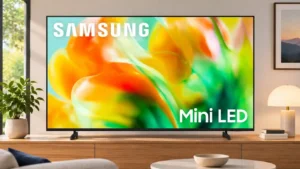
Overall: 3.1/5
Support for up to 144Hz at 4K and 240Hz at 1080p is impressive at this tier, even though panel response limits perceived clarity.
Pros: gaming performance, color accuracy
Cons: value for money, overall satisfaction

Overall: 3.1/5
Support for up to 144Hz at 4K and 240Hz at 1080p is impressive at this tier, even though panel response limits perceived clarity.
Pros: gaming performance, color accuracy
Cons: value for money, overall satisfaction
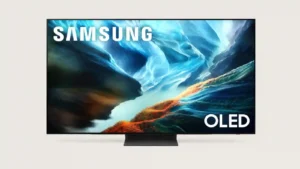
Overall: 4.5/5
The 165Hz ceiling is a major gaming upgrade for capable PCs and is repeatedly praised as a premium feature.
Pros: glare resistance, black levels
Cons: Dolby Vision support, color gamut
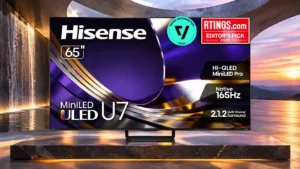
Overall: 4.2/5
Up to 165Hz at 4K is excellent for a midrange television, even though frame transitions are not always as fast as the refresh number implies.
Pros: overall satisfaction, glare resistance
Cons: motion handling, viewing angles

Overall: 4.4/5
The native 120Hz panel extends to 165Hz with compatible PCs, providing excellent flexibility for gaming.
Pros: picture quality, peak brightness
Cons: value for money, sound quality
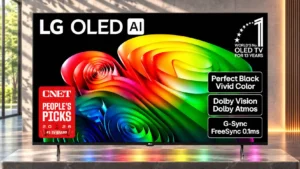
Overall: 3.8/5
The 120Hz panel gives PC games crisp, responsive movement.
Pros: value for money, peak brightness
Cons: color accuracy, stand quality
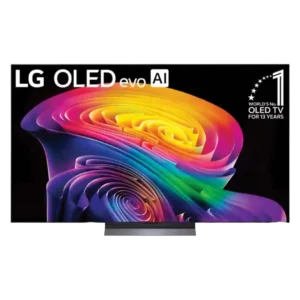
Overall: 4.1/5
The native 120Hz panel supports VRR up to 165Hz, giving PC gamers more headroom than the C5.
Pros: picture quality, gaming performance
Cons: value for money, sound quality
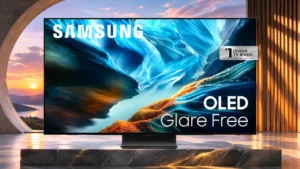
Overall: 4.1/5
Up to 165Hz delivers particularly sharp, fluid gaming motion when the source supports it.
Pros: black levels, contrast ratio
Cons: Dolby Vision support, stutter handling

Overall: 3.5/5
Support reaches 144Hz at 4K, with additional lower-resolution modes for compatible PCs and useful 120Hz console operation.
Pros: art display mode, design and appearance
Cons: overall satisfaction, HDMI port accessibility
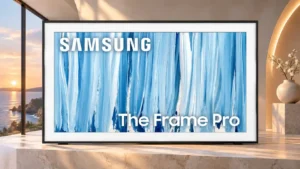
Overall: 3.8/5
The TV accepts up to 4K/144 Hz and 1080p/240 Hz, but those refresh rates deliver less motion benefit than the numbers suggest.
Pros: cable management, design and appearance
Cons: value for money, Dolby Vision support
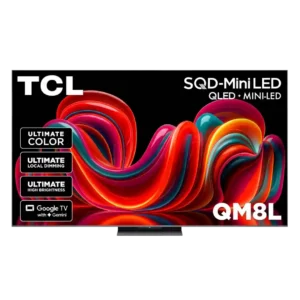
Overall: 4.4/5
The native high refresh rate makes fast gameplay feel smooth and responsive, particularly with compatible consoles and PCs.
Pros: picture quality, value for money
Cons: stand quality, judder handling
Overall: 4.1/5
Up to 4K/180Hz and lower-resolution 330Hz support are unusually high specifications for a television.
Pros: peak brightness, picture quality
Cons: value for money, color accuracy
Overall: 3.8/5
The move to a native 120Hz panel is a substantial leap over the previous 60Hz model, especially for sports and consoles.
Pros: HDMI 2.1 port count, overall satisfaction
Cons: HDR performance, bass performance
Overall: 4.3/5
Native 144Hz is an unusually attractive specification at this price, especially with high-refresh console and PC support.
Pros: picture quality, black levels
Cons: bass performance, HDR brightness
Overall: 4.0/5
The 120Hz panel gives games convincingly fluid, crisp motion, though it does not reach the higher rates of premium gaming displays.
Pros: contrast ratio, black levels
Cons: reflection handling, color accuracy
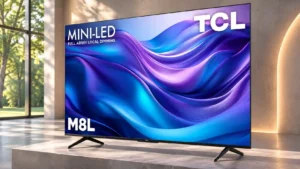
Overall: 4.1/5
The high native refresh rate and an even faster lower-resolution mode offer flexible gaming options. Actual motion sharpness remains limited by slow pixel transitions.
Pros: value for money, overall satisfaction
Cons: HDR brightness
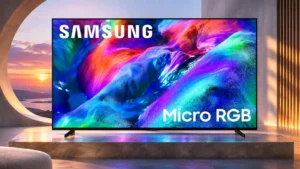
Overall: 3.8/5
A flexible high-refresh ceiling supports 4K gaming at 144Hz and faster 1080p modes, although response clarity still varies.
Pros: overall satisfaction, color gamut
Cons: value for money, local dimming performance
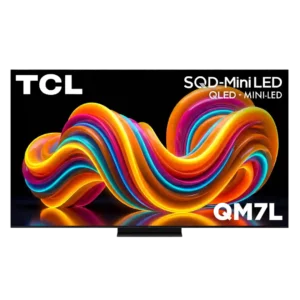
Overall: 3.9/5
The fast native refresh rate handles sports and games well, helping high-speed content stay clear.
Pros: peak brightness, picture quality
Cons: color accuracy, viewing angles
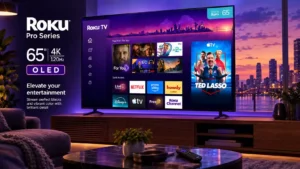
Overall: 4.1/5
The 120Hz panel provides smooth console play, though it cannot match the refresh rates of faster OLED models.
Pros: contrast ratio, value for money
Cons: peak brightness, HDR brightness
Overall: 4.0/5
120Hz capability suits console gaming.
Pros: black levels, picture quality
Cons: glare resistance, reflection handling
Overall: 3.7/5
The high refresh-rate ceiling provides excellent headroom for smooth games and sports. Very high rates require compatible source resolutions.
Pros: color volume, overall satisfaction
Cons: value for money, color accuracy
Overall: 4.1/5
4K up to 144Hz and 1080p up to 288Hz provide broad high-refresh input options, subject to the capabilities of the connected system.
Pros: picture quality, black levels
Cons: viewing angles, motion clarity
Overall: 3.8/5
The larger sizes offer high-refresh inputs and responsive casual gameplay, but one 50-inch test reported a 60Hz limit and demanding motion remains blurry.
Pros: picture quality, color accuracy
Cons: HDR performance, sound quality
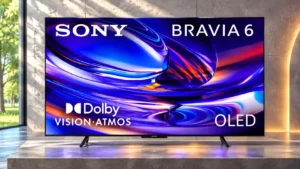
Overall: 3.8/5
The native 120Hz panel produces crisp movement and is well suited to consoles. It falls short of the higher maximum rates offered by some similarly priced gaming OLEDs.
Pros: HDMI 2.1 port count, Video input versatility
Cons: value for money, overall satisfaction
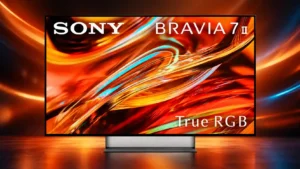
Overall: 4.2/5
A native 120Hz panel is ideal for current consoles, but it looks conservative beside PC-focused rivals offering 144Hz, 165Hz or higher.
Pros: overall satisfaction, picture quality
Cons: HDMI 2.1 port count, reflection handling
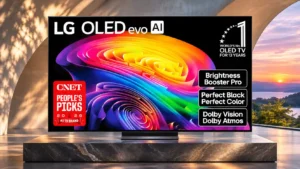
Overall: 4.1/5
The 165Hz mode offers headroom for gaming PCs, but some tests found flicker or reduced dark-scene detail, making 120Hz a safer option.
Pros: gaming performance, HDR brightness
Cons: reflection handling, glare resistance

Overall: 4.0/5
The high-refresh panel enables flexible gaming signals, but its slower pixels limit the clarity of the fastest action.
Pros: peak brightness, blooming control
Cons: value for money, motion clarity
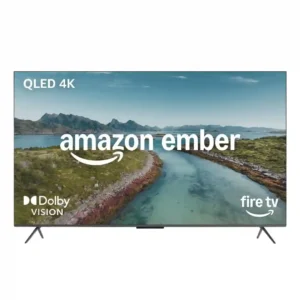
Overall: 3.3/5
The 60Hz panel is acceptable to some casual users but a major limitation for serious gamers and fast-motion buyers. Several rivals offer 120Hz or 144Hz at similar prices.
Pros: picture quality, overall satisfaction
Cons: value for money, reliability
Overall: 2.9/5
At native 4K, the panel is a 60Hz television. Some sizes have a lower-resolution 120Hz workaround, but it is not equivalent to full 4K/120.
Pros: value for money, picture quality
Cons: account requirements, gaming performance
Overall: 2.7/5
The native 4K panel tops out at 60Hz; some larger variants allow a reduced-resolution higher-rate gaming option.
Pros: white balance accuracy, design and appearance
Cons: overall satisfaction, value for money
Overall: 3.4/5
The native 60Hz panel is adequate for standard video and gaming, not the smoother 120Hz experience of more capable models.
Pros: picture quality, color accuracy
Cons: remote control quality, black levels
Overall: 4.3/5
The native refresh rate tops out at 120Hz, which is sufficient for consoles but trails newer 144Hz and 165Hz competitors.
Pros: overall satisfaction, overall image accuracy
Cons: value for money, bass performance
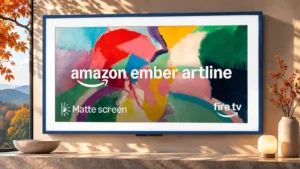
Overall: 3.4/5
The native 60 Hz panel is a clear limitation for modern gaming and smooth sports, even though it is adequate for basic viewing.
Pros: art display mode, picture quality
Cons: contrast ratio, high-refresh-rate gaming
Overall: 2.6/5
A native 60Hz panel is fine for ordinary shows but cannot deliver true 120Hz motion from modern consoles or PCs.
Pros: sound quality, picture quality
Cons: value for money, local dimming performance

Overall: 3.1/5
The screen tops out at 60Hz, even at reduced resolutions, so it cannot deliver the smoother 120Hz experience offered by newer gaming systems.
Pros: design and appearance, maximum volume
Cons: picture quality, value for money
Overall: 3.1/5
Native 60Hz is a major downgrade from the earlier QN70F's faster panel and restricts high-refresh entertainment.
Pros: picture quality, overall satisfaction
Cons: sound quality, black levels