
Overall: 4.4/5
The native 120Hz panel extends to 165Hz with compatible PCs, providing excellent flexibility for gaming.
Pros: picture quality, peak brightness
Cons: value for money, sound quality

Overall: 4.4/5
The native 120Hz panel extends to 165Hz with compatible PCs, providing excellent flexibility for gaming.
Pros: picture quality, peak brightness
Cons: value for money, sound quality
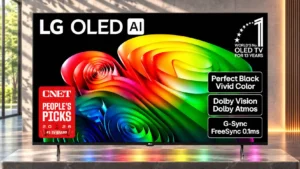
Overall: 3.8/5
The 120Hz panel gives PC games crisp, responsive movement.
Pros: value for money, peak brightness
Cons: color accuracy, stand quality

Overall: 4.1/5
The native 120Hz panel supports VRR up to 165Hz, giving PC gamers more headroom than the C5.
Pros: picture quality, gaming performance
Cons: value for money, sound quality
Overall: 4.0/5
The 120Hz panel gives games convincingly fluid, crisp motion, though it does not reach the higher rates of premium gaming displays.
Pros: contrast ratio, black levels
Cons: reflection handling, color accuracy
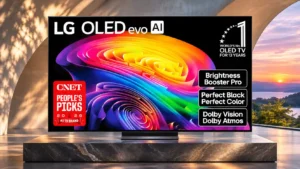
Overall: 4.1/5
The 165Hz mode offers headroom for gaming PCs, but some tests found flicker or reduced dark-scene detail, making 120Hz a safer option.
Pros: gaming performance, HDR brightness
Cons: reflection handling, glare resistance
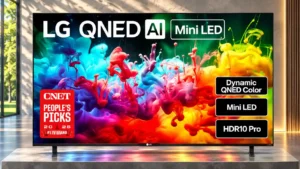
Overall: 3.4/5
The native 60Hz panel is adequate for standard video and gaming, not the smoother 120Hz experience of more capable models.
Pros: picture quality, color accuracy
Cons: remote control quality, black levels

Overall: 3.1/5
The screen tops out at 60Hz, even at reduced resolutions, so it cannot deliver the smoother 120Hz experience offered by newer gaming systems.
Pros: design and appearance, maximum volume
Cons: picture quality, value for money