
Fast sports and movie movement is generally excellent. Default processing can look heavy-handed, but better-tuned modes restore natural motion.
Pros: picture quality, peak brightness
Cons: value for money, sound quality

Fast sports and movie movement is generally excellent. Default processing can look heavy-handed, but better-tuned modes restore natural motion.
Pros: picture quality, peak brightness
Cons: value for money, sound quality
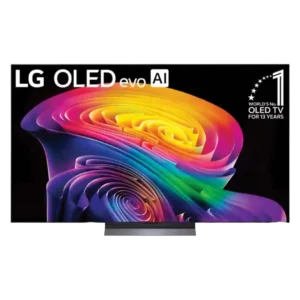
Sports, films, and games generally look smooth and controlled. The recommended Cinematic Movement setting reduces judder without creating an obvious soap-opera effect.
Pros: picture quality, gaming performance
Cons: value for money, sound quality
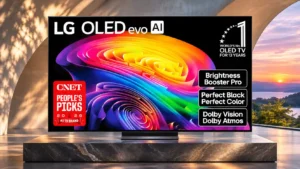
Fast action looks crisp with excellent pixel response and film playback is generally controlled, though some panning stutter is characteristic of OLED.
Pros: gaming performance, HDR brightness
Cons: reflection handling, glare resistance
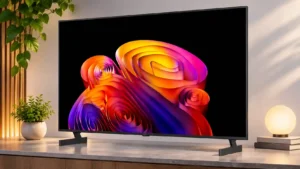
Fast action looks clean with minimal smearing, although lower-frame-rate material can still reveal stutter.
Pros: contrast ratio, black levels
Cons: reflection handling, color accuracy
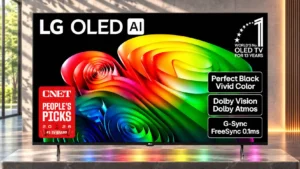
Fast play and sports generally remain clean and smooth, especially after choosing suitable motion settings.
Pros: value for money, peak brightness
Cons: color accuracy, stand quality
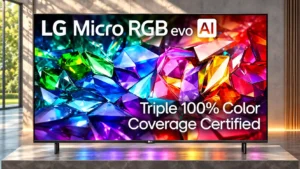
Experiences differ dramatically: one hands-on test found smooth camera pans, while lab testing found motion consistently soft and smeared.
Pros: peak brightness, picture quality
Cons: value for money, viewing angles

Some film and TV playback looks reasonably smooth, but rapid movement in sports and action scenes often smears. Motion quality varies considerably with the content.
Pros: design and appearance, maximum volume
Cons: picture quality, value for money
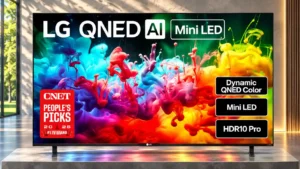
Judder and blur make motion a mixed point: viewers of 60fps content are more satisfied than those watching 24fps films or fast games.
Pros: picture quality, color accuracy
Cons: remote control quality, black levels