Best for HDR tone mapping accuracy
Panasonic Z8BA OLED
5.0 attribute score
Highest scored product for this attribute based on supporting review evidence.

Highest scored product for this attribute based on supporting review evidence.
Balances the attribute score, supporting reviews, and overall product strength.
Has the broadest review evidence for this attribute.
Strongest overall product among items with scored evidence for this attribute.
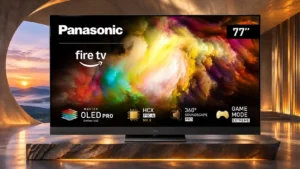
HDR brightness levels generally follow the intended mastering very closely while preserving highlight information.
Pros: overall satisfaction, picture quality
Cons: size options, value for money
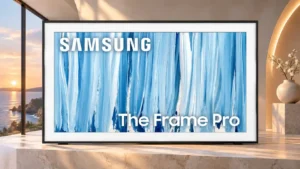
Midtones track the HDR brightness target remarkably well, with only modest limitations at the very brightest levels.
Pros: cable management, design and appearance
Cons: value for money, Dolby Vision support
HDR luminance tracking closely follows the intended image, preserving subtle differences in bright details.
Pros: contrast ratio, black levels
Cons: reflection handling, color accuracy
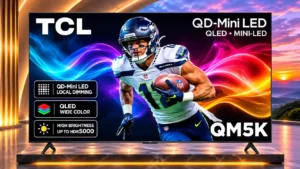
Brightness tracking follows intended HDR levels very closely, one of the QM5K's clearest technical strengths.
Pros: black levels, picture quality
Cons: HDR performance, blooming control
Accurate modes track creative brightness intent closely and preserve fine detail. Some processing options increase impact at the expense of accuracy.
Pros: picture quality, overall satisfaction
Cons: design and appearance, Dolby Vision support
HDR luminance tracking is impressively faithful, retaining detail through most mastered brightness ranges.
Pros: black levels, contrast ratio
Cons: Dolby Vision support, stutter handling
Calibrated tone mapping is generally strong, though blacks can be slightly lifted and some shadows crushed. Game HDR and brighter presets can overemphasize the image.
Pros: color volume, overall satisfaction
Cons: value for money, color accuracy
Despite limited panel output, its HDR brightness tracking is impressively smooth and carefully controlled.
Pros: white balance accuracy, design and appearance
Cons: overall satisfaction, value for money
HDR midtones follow the intended brightness curve remarkably well, even though the panel cannot reach spectacular peaks.
Pros: value for money, overall satisfaction
Cons: HDR brightness
Tone tracking is surprisingly faithful for moderately bright HDR scenes, with a smooth highlight roll-off, yet hardware limits cap the final effect.
Pros: picture quality, value for money
Cons: viewing angles, HDR performance
Sony's tone mapping generally follows intended luminance well, particularly in accurate presets, though some modes introduce raised blacks or clipped highlights.
Pros: picture quality, black levels
Cons: HDR brightness, value for money
Many ordinary HDR tones track well, but dark detail and the lack of working HGiG complicate ideal game brightness.
Pros: picture quality, 4K at 144 Hz support
Cons: sound quality, value for money
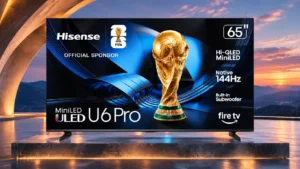
HDR tracks its intended brightness curve fairly well, though near-black detail can be crushed and some bright mastering levels clip.
Pros: overall satisfaction, value for money
Cons: Smart TV platform, advertising intrusiveness
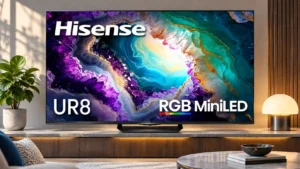
Tone tracking is generally well controlled and retains bright detail; a few tone or picture-setting adjustments may improve naturalness.
Pros: gaming performance, color volume
Cons: blooming control, dark-room performance
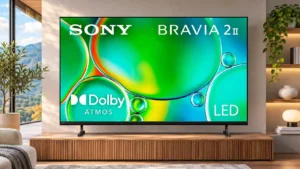
Sony's highlight roll-off helps preserve detail even when the panel is dim, while HDR color and tracking can require adjustment.
Pros: picture quality, overall satisfaction
Cons: sound quality, reliability
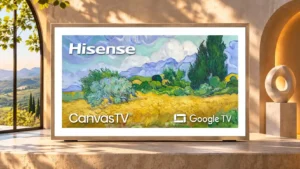
HDR midtone brightness tracks the intended level closely, while the brightest material rolls off more sharply.
Pros: picture quality, color accuracy
Cons: HDR performance, sound quality
HDR tracking is largely accurate, with only small midtone errors and a gentle rolloff near peak brightness.
Pros: picture quality, black levels
Cons: bass performance, HDR brightness
Most midtones are tracked well with a gentle rolloff near peak brightness, although blacks remain raised.
Pros: sound quality, picture quality
Cons: value for money, local dimming performance
Overall tracking is good, but lifted near-black tones and early highlight roll-off constrain dynamic range.
Pros: overall satisfaction, picture quality
Cons: reliability, remote control quality
HDR luminance tracking is impressively accurate through shadows and midtones, even though peak brightness and black depth remain limited.
Pros: picture quality, overall satisfaction
Cons: sound quality, black levels
HDR luminance tracking generally follows the intended curve well, retaining a sensible balance between light output and fine highlight detail.
Pros: overall satisfaction, color gamut
Cons: value for money, local dimming performance

PQ tracking is generally strong through the midtones, with orderly highlight roll-off, though limited contrast affects near-black presentation.
Pros: art display mode, design and appearance
Cons: overall satisfaction, HDMI port accessibility
HDR brightness tracking is reasonably faithful in many scenes, but the dim panel and raised near-black areas keep it from full accuracy.
Pros: color accuracy, upscaling quality
Cons: picture quality, sound quality
HDR tracking is often close to its target, though the best balance depends on the chosen mode and some content appears too bright or dark.
Pros: peak brightness, picture quality
Cons: value for money, color accuracy
Reference tracking is generally strong, although very small bright objects can be shown brighter than intended and dynamic modes exaggerate the effect.
Pros: gaming performance, HDR brightness
Cons: reflection handling, glare resistance
Midtones track well, though particular picture-processing settings materially affect HDR accuracy.
Pros: picture quality, color accuracy
Cons: remote control quality, black levels
HDR follows the intended luminance curve reasonably well, though some midtones are too dark and clips may be truncated at peak brightness.
Pros: gaming performance, overall satisfaction
Cons: sound quality, value for money
Overall tonal tracking can be impressive, though some scenes expose exaggerated highlights and loss of shadow detail. A brighter setting can further trade accuracy for punch.
Pros: black levels, picture quality
Cons: glare resistance, reflection handling
Core brightness tracking can be close to the intended curve, while optional dynamic tone mapping sometimes produces a strange, overprocessed image.
Pros: overall satisfaction, glare resistance
Cons: motion handling, viewing angles
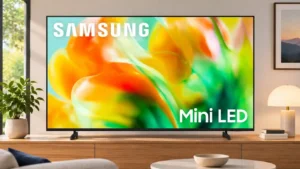
Tone mapping can preserve some gradation, but clipping and luminance errors cause lost highlights; adjustments provide limited improvement.
Pros: gaming performance, color accuracy
Cons: value for money, overall satisfaction

HDR tracking is less consistent than the screen’s peak brightness might suggest; aggressive tone mapping can overbrighten the image.
Pros: peak brightness, blooming control
Cons: value for money, motion clarity
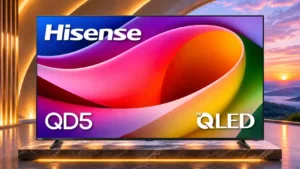
Tone tracking is adequate through much of the range, although raised blacks prevent a faithful dark-scene presentation.
Pros: overall satisfaction, picture quality
Cons: Weight and handling, black levels
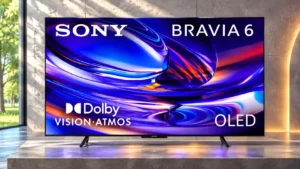
The TV tracks much of the intended HDR brightness curve closely. However, it cuts off highlights abruptly rather than preserving the brightest gradations.
Pros: HDMI 2.1 port count, Video input versatility
Cons: value for money, overall satisfaction
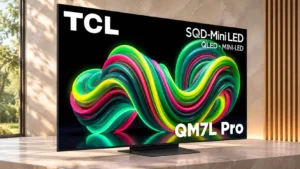
Some HDR material renders too bright or too dark, so the otherwise appealing image is not perfectly balanced in every scene.
Pros: picture quality, black levels
Cons: viewing angles, motion clarity
Tone mapping can preserve good detail in mainstream streaming, but HGIG overbrightens and very demanding 4,000-nit material can lose highlight information.
Pros: picture quality, contrast ratio
Cons: blooming control, glare resistance
HDR brightness is contentious: some calibrations look very accurate, while other testing finds conspicuous over-brightening and crushed nuances.
Pros: peak brightness, HDR brightness
Cons: sound quality, viewing angles
Technical HDR accuracy is imperfect, with EOTF deviations and some clipped highlights despite the TV’s impressive brightness.
Pros: peak brightness, picture quality
Cons: HDMI 2.1 port count, reflection handling
Loss of proper HGIG makes HDR game calibration difficult.
Pros: Large-screen immersion, overall satisfaction
Cons: value for money, black levels
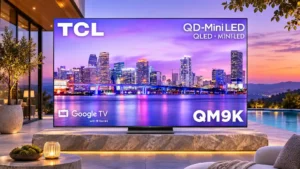
HDR tracking can raise highlights too much, crush shadows and deviate from intended brightness. This is one of the biggest concerns for film purists.
Pros: peak brightness, overall satisfaction
Cons: value for money, shadow detail
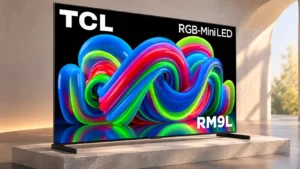
HDR midtones and bright scenes can be pushed far above the intended brightness. Calibration and more restrained picture settings matter for accurate reproduction.
Pros: picture quality, overall satisfaction
Cons: color crosstalk, value for money

Midtones track reasonably well, but the TV struggles to distinguish near-black details and clips very bright information.
Pros: art display mode, picture quality
Cons: contrast ratio, high-refresh-rate gaming

Dark tones are lifted, midtones run slightly dim, and the brightest areas can clip. HDR brightness tracking falls short of intended levels.
Pros: design and appearance, maximum volume
Cons: picture quality, value for money
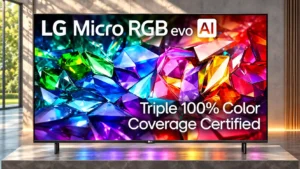
HDR luminance does not always follow the intended curve; some images appear too bright while others lose detail.
Pros: peak brightness, picture quality
Cons: value for money, viewing angles
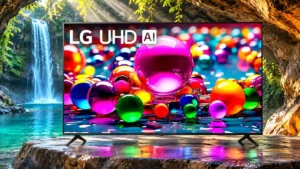
HDR tracking is uneven: midtones fare better than shadows, while the brightest details clip abruptly.
Pros: viewing angles, smart TV platform
Cons: overall satisfaction, refresh rate
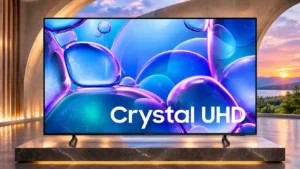
HDR midtones can be tracked reasonably well, but bright content is often rendered darker than intended.
Pros: picture quality, smart TV platform
Cons: value for money, refresh rate
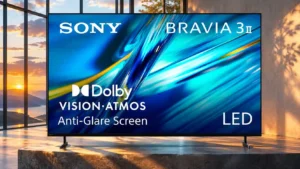
Near-black details appear raised and bright scenes can clip sharply at the panel’s peak output, reducing the intended HDR gradation.
Pros: HDMI 2.1 port count, overall satisfaction
Cons: HDR performance, bass performance
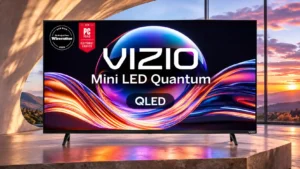
HDR mapping lifts dark midtones too much and cuts off bright details abruptly, making the picture depart from intended luminance.
Pros: value for money, picture quality
Cons: account requirements, gaming performance