Best for HDR tone mapping accuracy
Samsung The Frame Pro 2026
5.0 attribute score
Highest scored product for this attribute based on supporting review evidence.

Highest scored product for this attribute based on supporting review evidence.
Balances the attribute score, supporting reviews, and overall product strength.
Has the broadest review evidence for this attribute.
Strongest overall product among items with scored evidence for this attribute.
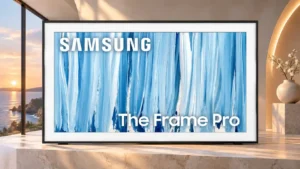
Midtones track the HDR brightness target remarkably well, with only modest limitations at the very brightest levels.
Pros: cable management, design and appearance
Cons: value for money, Dolby Vision support
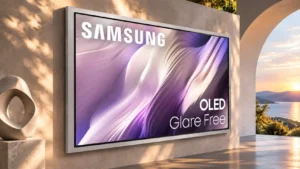
Accurate modes track creative brightness intent closely and preserve fine detail. Some processing options increase impact at the expense of accuracy.
Pros: picture quality, overall satisfaction
Cons: design and appearance, Dolby Vision support
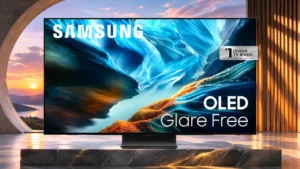
HDR luminance tracking is impressively faithful, retaining detail through most mastered brightness ranges.
Pros: black levels, contrast ratio
Cons: Dolby Vision support, stutter handling
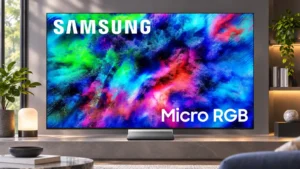
Calibrated tone mapping is generally strong, though blacks can be slightly lifted and some shadows crushed. Game HDR and brighter presets can overemphasize the image.
Pros: color volume, overall satisfaction
Cons: value for money, color accuracy
Despite limited panel output, its HDR brightness tracking is impressively smooth and carefully controlled.
Pros: white balance accuracy, design and appearance
Cons: overall satisfaction, value for money
Many ordinary HDR tones track well, but dark detail and the lack of working HGiG complicate ideal game brightness.
Pros: picture quality, 4K at 144 Hz support
Cons: sound quality, value for money
Most midtones are tracked well with a gentle rolloff near peak brightness, although blacks remain raised.
Pros: sound quality, picture quality
Cons: value for money, local dimming performance
Overall tracking is good, but lifted near-black tones and early highlight roll-off constrain dynamic range.
Pros: overall satisfaction, picture quality
Cons: reliability, remote control quality
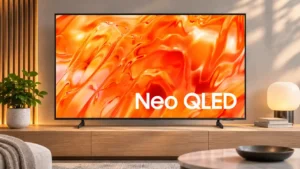
HDR luminance tracking is impressively accurate through shadows and midtones, even though peak brightness and black depth remain limited.
Pros: picture quality, overall satisfaction
Cons: sound quality, black levels
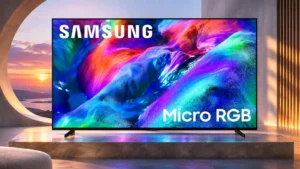
HDR luminance tracking generally follows the intended curve well, retaining a sensible balance between light output and fine highlight detail.
Pros: overall satisfaction, color gamut
Cons: value for money, local dimming performance

PQ tracking is generally strong through the midtones, with orderly highlight roll-off, though limited contrast affects near-black presentation.
Pros: art display mode, design and appearance
Cons: overall satisfaction, HDMI port accessibility
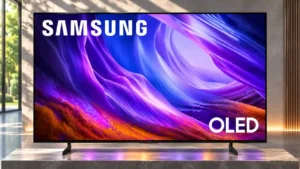
Overall tonal tracking can be impressive, though some scenes expose exaggerated highlights and loss of shadow detail. A brighter setting can further trade accuracy for punch.
Pros: black levels, picture quality
Cons: glare resistance, reflection handling
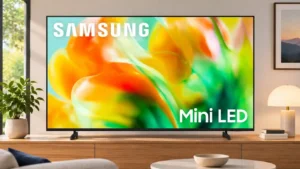
Tone mapping can preserve some gradation, but clipping and luminance errors cause lost highlights; adjustments provide limited improvement.
Pros: gaming performance, color accuracy
Cons: value for money, overall satisfaction
Tone mapping can preserve good detail in mainstream streaming, but HGIG overbrightens and very demanding 4,000-nit material can lose highlight information.
Pros: picture quality, contrast ratio
Cons: blooming control, glare resistance
Loss of proper HGIG makes HDR game calibration difficult.
Pros: Large-screen immersion, overall satisfaction
Cons: value for money, black levels
HDR midtones can be tracked reasonably well, but bright content is often rendered darker than intended.
Pros: picture quality, smart TV platform
Cons: value for money, refresh rate