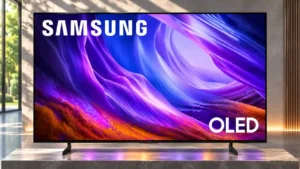
The S85H looks its best in a dim room, where its inky blacks and vivid HDR effects make films and games feel immersive.
Pros: black levels, picture quality
Cons: glare resistance, reflection handling

The S85H looks its best in a dim room, where its inky blacks and vivid HDR effects make films and games feel immersive.
Pros: black levels, picture quality
Cons: glare resistance, reflection handling

With lights down, OLED black levels, contrast, and vivid HDR color make this an exceptional cinematic screen.
Pros: picture quality, overall satisfaction
Cons: design and appearance, Dolby Vision support

Inky blacks, precise highlights, and cinematic depth make the G6 superb for lights-off movie viewing.
Pros: picture quality, peak brightness
Cons: value for money, sound quality
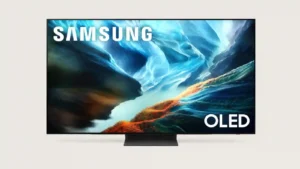
In evening and dark-room viewing, the OLED panel delivers the deep blacks, contrast and depth that home-cinema buyers expect.
Pros: glare resistance, black levels
Cons: Dolby Vision support, color gamut
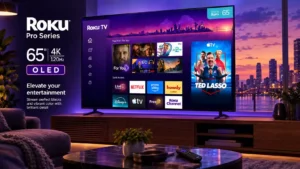
Dark rooms bring out the best in the picture, preserving shadow texture and letting OLED blacks give movies and games convincing depth.
Pros: contrast ratio, value for money
Cons: peak brightness, HDR brightness

Perfect blacks and dynamic range make this an excellent night-movie TV, although near-black banding on some panels can undermine dark scenes.
Pros: gaming performance, HDR brightness
Cons: reflection handling, glare resistance
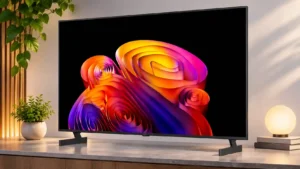
This is where the B6E is at its best: dark scenes retain deep blacks, strong contrast and the vivid look that makes OLED attractive.
Pros: contrast ratio, black levels
Cons: reflection handling, color accuracy
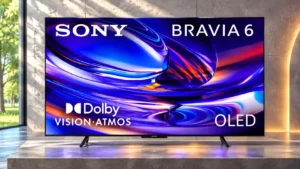
Evening viewing brings out the strengths of the OLED panel: rich blacks, high contrast, and immersive shadows. Peak brightness is less of an obstacle when the room is dark.
Pros: HDMI 2.1 port count, Video input versatility
Cons: value for money, overall satisfaction

Deep blacks and emphatic HDR highlights give films strong impact in dim rooms. The most precise HDR brightness balance is less consistent.
Pros: picture quality, black levels
Cons: viewing angles, motion clarity

Dark-room movies benefit from very deep blacks and intense pinpoints of light. Viewers sensitive to blooming may need to lower peak-brightness settings.
Pros: picture quality, overall satisfaction
Cons: color crosstalk, value for money

In dark rooms, the TV delivers dramatic contrast and deeply saturated images, although it cannot eliminate every backlight artifact.
Pros: peak brightness, blooming control
Cons: value for money, motion clarity
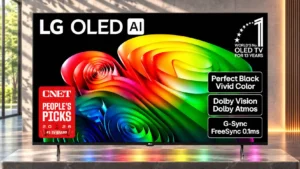
Controlled lighting shows off strong OLED contrast and color, although raised blacks appeared in one demanding test.
Pros: value for money, peak brightness
Cons: color accuracy, stand quality
Deep blacks, rich contrast, and accurate Filmmaker Mode make the C6 excellent for nighttime viewing. A few units need minor near-black adjustments.
Pros: picture quality, gaming performance
Cons: value for money, sound quality

Near-perfect blacks make movies look dramatic in dark rooms, although vertical near-black bands prevent a flawless result.
Pros: black levels, contrast ratio
Cons: Dolby Vision support, stutter handling

The picture can be satisfying in a dim room, where its contrast and QLED color have more impact. Dark-room purists will still notice blooming or raised blacks.
Pros: picture quality, overall satisfaction
Cons: value for money, reliability

Dark-room movie performance is strong and cinematic, but opinions become more qualified when compared directly with OLED’s perfect blacks.
Pros: overall satisfaction, overall image accuracy
Cons: value for money, bass performance
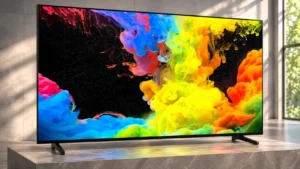
Deep blacks make nighttime movies enjoyable, but bright subtitles can reveal blooming. A higher-tier LCD or OLED is the stronger choice for a fully dark theater.
Pros: picture quality, black levels
Cons: bass performance, HDR brightness

Movies look dramatic in dark rooms thanks to strong blacks, but halos, shadow behavior and OLED comparisons make this a conditional choice for purists.
Pros: peak brightness, picture quality
Cons: value for money, color accuracy

In a controlled room the TV can look cinematic, detailed and impressively close to OLED in many scenes. A few critical tests found some very dark material difficult to read...
Pros: overall satisfaction, picture quality
Cons: HDMI 2.1 port count, reflection handling

Deep blacks in simple scenes make dim-room viewing fairly enjoyable, though visible halos reduce the polish of more demanding dark material.
Pros: value for money, overall satisfaction
Cons: HDR brightness
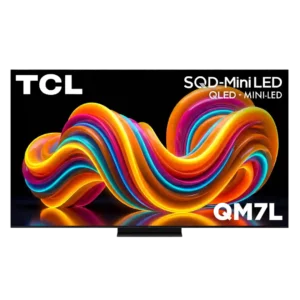
Deep blacks and controlled halos can look excellent from a centered seat. Fog, blooming, and weaker micro-contrast can still make OLED a safer choice for demanding nighttime viewing.
Pros: peak brightness, picture quality
Cons: color accuracy, viewing angles
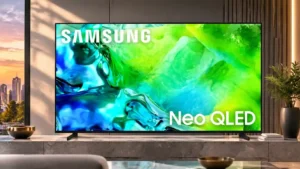
Dark-room movies can look convincing with the right preset, but halos, clouding and imperfect blacks keep it short of a premium home-theater screen.
Pros: picture quality, contrast ratio
Cons: blooming control, glare resistance

Dark scenes can look impressively deep for LCD, but raised blacks, residual blooming and shadow-processing quirks keep OLED ahead.
Pros: overall satisfaction, glare resistance
Cons: motion handling, viewing angles
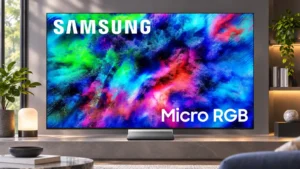
Deep black levels deliver strong movie-night contrast, but OLED remains cleaner in the darkest material and around tiny highlights.
Pros: color volume, overall satisfaction
Cons: value for money, color accuracy

Strong contrast can make dark films striking, but occasional LCD haze, blooming and weak shadow detail prevent uniformly excellent nighttime viewing.
Pros: peak brightness, picture quality
Cons: value for money, viewing angles

Dark scenes benefit from effective dimming, but blooming and less-than-OLED shadow separation remain reasons to consider higher-end displays for theater use.
Pros: overall satisfaction, value for money
Cons: Smart TV platform, advertising intrusiveness
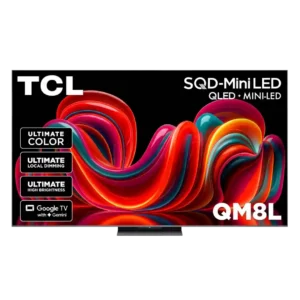
Deep blacks and strong local dimming make nighttime viewing impressive, though OLED still offers cleaner precision in the hardest near-black scenes.
Pros: picture quality, value for money
Cons: stand quality, judder handling

Some viewers find black levels surprisingly pleasing in a dark room; others find gray blacks and weak contrast disappointing, especially in movies.
Pros: sound quality, picture quality
Cons: value for money, local dimming performance

Dark films expose raised blacks, washed-out scenes and limited contrast, despite occasional advantages against similar budget rivals.
Pros: white balance accuracy, design and appearance
Cons: overall satisfaction, value for money

Weak dark-scene contrast, uneven blacks and distracting dimming artifacts make a dark home theater a less convincing fit.
Pros: cable management, design and appearance
Cons: value for money, Dolby Vision support

Dark-room use reveals blooming, light gray blacks, and inconsistent shadow detail despite occasional attractive film scenes.
Pros: value for money, picture quality
Cons: account requirements, gaming performance

Dark rooms reveal raised blacks, muted highlights and a washed-out cinematic presentation. This is not the Frame's strongest setting.
Pros: art display mode, design and appearance
Cons: overall satisfaction, HDMI port accessibility

With lights down, grayish blacks, some clouding and limited HDR impact undercut film-night immersion; a few assessments find it tolerable rather than disastrous.
Pros: gaming performance, color accuracy
Cons: value for money, overall satisfaction

Dark viewing is the biggest image compromise: black skies become navy and patchy, and demanding films lose cinematic depth.
Pros: picture quality, color accuracy
Cons: HDR performance, sound quality
The absence of local dimming makes black-heavy scenes much less immersive, especially on the 65-inch IPS model. Even enthusiastic owners often see a higher-tier backlight as preferable for nighttime films.
Pros: HDMI 2.1 port count, overall satisfaction
Cons: HDR performance, bass performance

Without local dimming, dark scenes can look gray, muddy or excessively crushed rather than cinematic. This is a poor match for viewers who prioritize lights-off movies.
Pros: art display mode, picture quality
Cons: contrast ratio, high-refresh-rate gaming

Dim rooms expose the raised black floor most clearly, reducing depth in movies and dark games. Switching on gaming mode does not improve it.
Pros: design and appearance, maximum volume
Cons: picture quality, value for money

A dark room exposes the panel’s gray blacks and low contrast, making this a weak pick for movie nights without ambient light.
Pros: picture quality, color accuracy
Cons: remote control quality, black levels

Raised blacks, blooming and clouding make the set a poor choice for serious dark-room cinema.
Pros: picture quality, overall satisfaction
Cons: sound quality, black levels