Best for blooming control
Samsung S95H OLED
5.0 attribute score
Highest scored product for this attribute based on supporting review evidence.

Highest scored product for this attribute based on supporting review evidence.
Balances the attribute score, supporting reviews, and overall product strength.
Has the broadest review evidence for this attribute.
Strongest overall product among items with scored evidence for this attribute.

Overall: 4.0/5
Bright elements can sit against black backgrounds without surrounding halos, a defining advantage of the OLED panel.
Pros: value for money, overall satisfaction
Cons: Remote control usability, sound quality
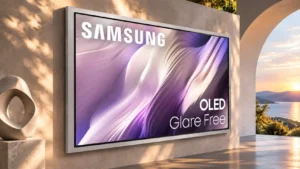
Overall: 4.2/5
Individually lit pixels prevent halos around subtitles, stars, and other bright shapes against black backgrounds.
Pros: picture quality, overall satisfaction
Cons: design and appearance, Dolby Vision support
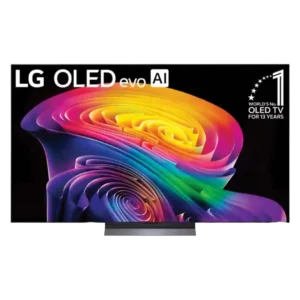
Overall: 4.1/5
The self-emissive panel keeps halos around bright objects to a minimum, delivering clean high-contrast edges without the blooming common on Mini LED sets.
Pros: picture quality, gaming performance
Cons: value for money, sound quality
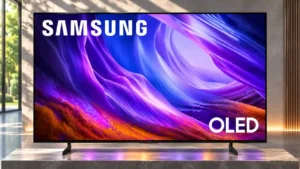
Overall: 4.0/5
Bright subtitles and small highlights sit cleanly against dark backgrounds without the glowing halos that can surround them on many LCD TVs.
Pros: black levels, picture quality
Cons: glare resistance, reflection handling
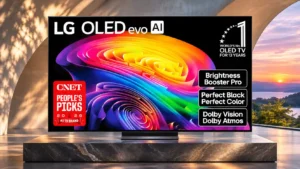
Overall: 4.1/5
Small bright objects and subtitles remain free of the light halos that can surround them on backlit TVs.
Pros: gaming performance, HDR brightness
Cons: reflection handling, glare resistance
Overall: 4.2/5
Bright objects sit against dark backgrounds without the distracting halos seen on many backlit televisions.
Pros: overall satisfaction, picture quality
Cons: banding control, remote control quality
Overall: 4.4/5
Per-pixel OLED lighting eliminates the halos and bloom associated with backlit TVs, preserving clean high-contrast edges.
Pros: picture quality, peak brightness
Cons: value for money, sound quality
Overall: 4.0/5
Bright highlights sit cleanly beside black areas without the halos seen on many backlit TVs.
Pros: overall satisfaction, picture quality
Cons: size options, value for money
Overall: 4.1/5
Pixel-level light control keeps high-contrast edges free from distracting halos and bloom.
Pros: contrast ratio, value for money
Cons: peak brightness, HDR brightness

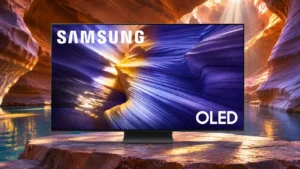
Overall: 3.9/5
There is effectively no halo around small bright objects because each OLED pixel controls its own light.
Pros: color volume, black levels
Cons: Inconsistent panel and coating by size, sound quality
Overall: 3.9/5
Bright points stay clean against black backgrounds, with virtually none of the haloing or blooming seen on many LED sets.
Pros: value for money, overall satisfaction
Cons: Dolby Vision support, sound quality

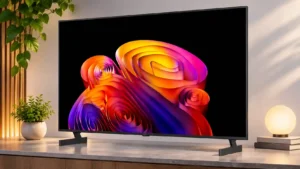
Overall: 4.2/5
Bright objects remain sharply separated from dark backgrounds without the haloing found on many backlit TVs.
Pros: value for money, color accuracy
Cons: HDR brightness, reflection handling
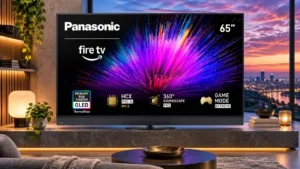
Overall: 4.0/5
Bright objects sit against dark backgrounds without distracting halos, thanks to individually controlled OLED pixels.
Pros: contrast ratio, black levels
Cons: reflection handling, color accuracy
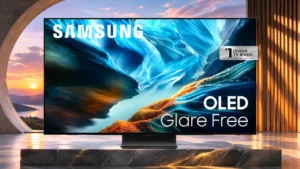
Overall: 4.3/5
Bright stars and tiny highlights appear without halos because each OLED pixel is controlled independently.
Pros: picture quality, color accuracy
Cons: bass performance, HDMI 2.1 port count
Overall: 4.1/5
Bright highlights sit against black backgrounds without the halos that can appear on backlit TVs.
Pros: black levels, contrast ratio
Cons: Dolby Vision support, stutter handling
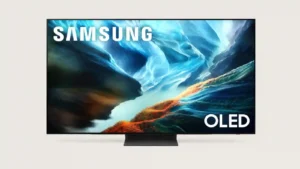
Overall: 4.5/5
Bright objects stay clean against dark backgrounds, with OLED’s pixel-level control eliminating the blooming seen on many backlit TVs.
Pros: glare resistance, black levels
Cons: Dolby Vision support, color gamut

Overall: 3.4/5
Bright subtitles do not create the usual local-dimming halos, but this advantage comes at the expense of deep blacks and strong highlights.
Pros: picture quality, value for money
Cons: viewing angles, HDR performance
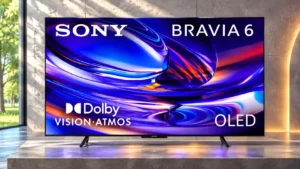
Overall: 3.8/5
Bright objects stay cleanly separated from dark surroundings, without the halos associated with backlit LCD televisions.
Pros: HDMI 2.1 port count, Video input versatility
Cons: value for money, overall satisfaction
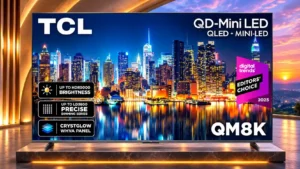
Overall: 4.0/5
Blooming around subtitles and bright objects is usually very limited. Demanding patterns and off-axis views can still reveal some halos.
Pros: peak brightness, picture quality
Cons: HDMI 2.1 port count, reflection handling
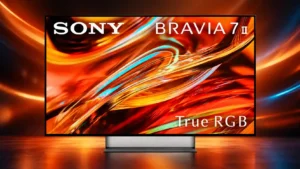
Overall: 4.2/5
Blooming control is one of the TV’s standout strengths, with halos often barely visible in normal head-on viewing. Blooming becomes easier to see off-axis, around subtitles or in stress-test patterns.
Pros: overall satisfaction, picture quality
Cons: HDMI 2.1 port count, reflection handling

Overall: 4.0/5
Haloing is exceptionally well contained when viewed head-on, but difficult star fields and off-center seating can still expose occasional blooming.
Pros: peak brightness, blooming control
Cons: value for money, motion clarity
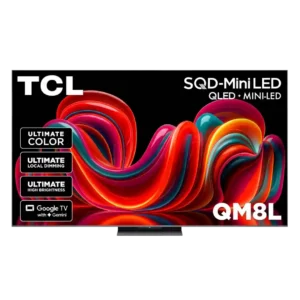
Overall: 4.4/5
Blooming is usually subtle or nearly invisible in ordinary viewing, including around subtitles and bright objects. Torture tests and a few difficult dark scenes can still expose faint halos.
Pros: picture quality, value for money
Cons: stand quality, judder handling

Overall: 4.0/5
Individual pixel lighting eliminates the halos that can surround highlights on backlit televisions.
Pros: reflection handling, overall satisfaction
Cons: Dolby Vision support, bass performance

Overall: 3.9/5
Per-pixel OLED lighting keeps blooming and haloing essentially absent, preserving clean separation around bright objects on dark backgrounds.
Pros: gaming performance, peak brightness
Cons: HDMI 2.1 support, HDMI 2.1 port count
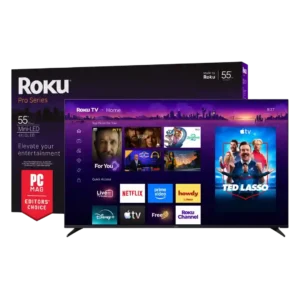
Overall: 4.4/5
Blooming is generally minimal and often barely noticeable even around bright objects on black backgrounds. A small number of users saw brief halo artifacts.
Pros: overall satisfaction, picture quality
Cons: reliability, portability and versatility
Overall: 4.1/5
Haloing is often minor and well controlled, but difficult star fields and some 100-inch dark scenes reveal stray light.
Pros: peak brightness, HDR brightness
Cons: sound quality, viewing angles
Overall: 3.0/5
With no individually controlled dimming zones, the TV avoids obvious haloing around bright objects; the tradeoff is weaker overall contrast.
Pros: color gamut, smart TV platform
Cons: value for money, overall satisfaction

Overall: 4.0/5
Several reviewers see minimal halos in ordinary content, while others notice glow around subtitles or isolated bright elements against black.
Pros: color accuracy, picture quality
Cons: HDR brightness, peak brightness
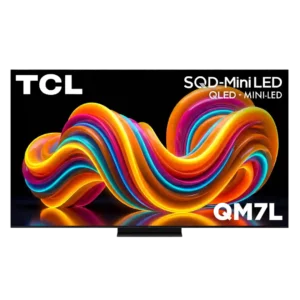
Overall: 3.9/5
Blooming is often minimal from a centered seat during real movies and games. Pitch-black rooms, subtitles, and wide angles can still expose severe halos on some content.
Pros: peak brightness, picture quality
Cons: color accuracy, viewing angles
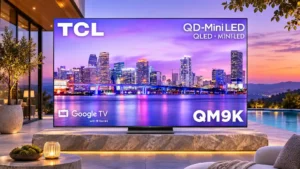
Overall: 3.9/5
Halos are restrained compared with many LCDs but remain visible around subtitles, stars and other isolated lights, especially off-axis.
Pros: peak brightness, overall satisfaction
Cons: value for money, shadow detail

Overall: 4.2/5
Many scenes display little haloing, but some tests uncover obvious halos or grid-like backlight zones, especially with dark content and motion.
Pros: picture quality, glare resistance
Cons: value for money, bass performance
Overall: 3.8/5
The absence of local dimming avoids the usual isolated halos around subtitles and highlights. The compromise is an elevated glow across larger dark areas rather than genuinely deep blacks.
Pros: HDMI 2.1 port count, overall satisfaction
Cons: HDR performance, bass performance
Overall: 3.0/5
Bright objects do not acquire the usual local-dimming halos. The price of that clean boundary is a washed-out black background.
Pros: picture quality, smart TV platform
Cons: value for money, refresh rate
Overall: 3.0/5
Without local dimming zones, distinct halos are uncommon, although the entire image can look hazy and raised.
Pros: viewing angles, smart TV platform
Cons: overall satisfaction, refresh rate
Overall: 3.0/5
There is little haloing because there are no local dimming zones, though the whole background is washed out instead.
Pros: color accuracy, Picture detail
Cons: HDR performance, motion clarity
Overall: 3.3/5
The absence of individual dimming zones avoids the obvious halos sometimes seen around highlights, although it comes at the cost of overall black depth.
Pros: picture quality, motion handling
Cons: HDR performance, HDR brightness

Overall: 3.5/5
Bright objects do not have obvious local-dimming halos, but the whole image can look washed out because there is no zone-based dimming.
Pros: art display mode, design and appearance
Cons: overall satisfaction, HDMI port accessibility
Overall: 4.2/5
Most bright highlights are well contained, although small subtitles and starfields can reveal halos.
Pros: overall satisfaction, glare resistance
Cons: motion handling, viewing angles
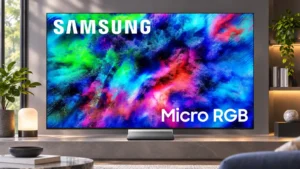
Overall: 3.7/5
Halos around subtitles and lights are often minimal, particularly head-on. A few challenging dark scenes and off-center seats make blooming more visible.
Pros: color volume, overall satisfaction
Cons: value for money, color accuracy

Overall: 4.2/5
Blooming is restrained in much everyday content, but small bright objects, subtitles and off-angle scenes can reveal obvious halos. Performance is less consistent than an OLED's.
Pros: high-refresh-rate gaming, gaming performance
Cons: value for money, bass performance
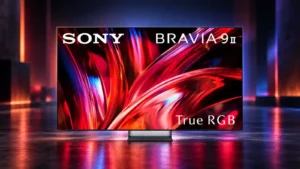
Overall: 4.3/5
Blooming control is strong from a central seat and often close to invisible in normal content. Haloing becomes easier to see off-axis or in especially difficult high-contrast scenes.
Pros: overall satisfaction, overall image accuracy
Cons: value for money, bass performance

Overall: 3.7/5
The backlight usually contains halos around bright objects well for the price, although subtitles, isolated highlights and changing dimming zones can still reveal light spill.
Pros: value for money, HDR brightness
Cons: color accuracy, shadow detail
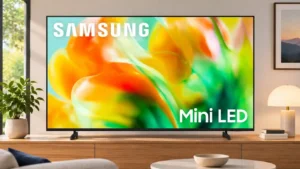
Overall: 3.1/5
Bright objects show little haloing, helped partly by a globally lit panel that sacrifices black depth rather than controlling independent zones.
Pros: gaming performance, color accuracy
Cons: value for money, overall satisfaction

Overall: 4.0/5
Sony usually suppresses halos without crushing small bright details, but the conservative approach can raise blacks and leave some complex dark scenes washed out.
Pros: picture quality, black levels
Cons: HDR brightness, value for money

Overall: 3.9/5
Many find halo suppression excellent for the price, while others see obvious halos around subtitles, stars, and white text. Dark rooms and off-center seating expose the weakness.
Pros: peak brightness, value for money
Cons: reflection handling, glare resistance

Overall: 3.8/5
Local dimming usually keeps halos modest, particularly head-on, but increasing brightness makes blooming more visible. Fully suppressing halos costs substantial light output.
Pros: picture quality, overall satisfaction
Cons: color crosstalk, value for money
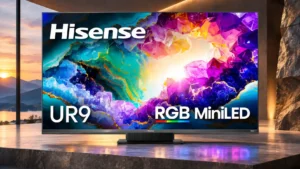
Overall: 4.1/5
Bright-object halos are often restrained but can emerge around subtitles and high-contrast scenes. Off-axis viewing and brighter presets make them more noticeable.
Pros: peak brightness, picture quality
Cons: value for money, color accuracy
Overall: 4.1/5
Most find halos modest for the class, but bright subtitles and lights against black backgrounds can still produce visible glow.
Pros: overall satisfaction, value for money
Cons: Smart TV platform, advertising intrusiveness
Overall: 4.3/5
Blooming opinions diverge: some find halos unobtrusive during everyday films, while more demanding tests expose obvious glow around subtitles and small bright objects.
Pros: picture quality, black levels
Cons: bass performance, HDR brightness

Overall: 3.1/5
Bright objects do not have obvious haloing, largely because there are no independent dimming zones. The tradeoff is a gray-looking dark background.
Pros: design and appearance, maximum volume
Cons: picture quality, value for money