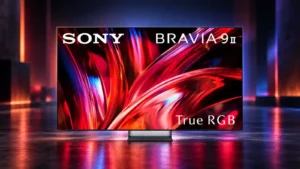
Apps Only mode can provide a notably clean, clutter-free home screen for buyers who want to avoid advertising.
Pros: overall satisfaction, overall image accuracy
Cons: value for money, bass performance

Apps Only mode can provide a notably clean, clutter-free home screen for buyers who want to avoid advertising.
Pros: overall satisfaction, overall image accuracy
Cons: value for money, bass performance
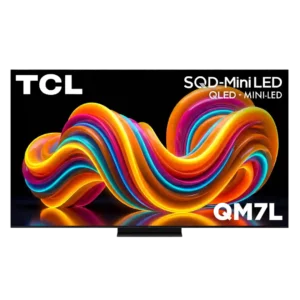
Google TV includes many recommendations but was described as organized and not excessively ad-heavy.
Pros: peak brightness, picture quality
Cons: color accuracy, viewing angles
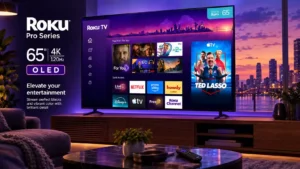
The home screen is relatively restrained about advertising. Its single large ad still takes up noticeable space, even though it is preferable to heavier advertising elsewhere.
Pros: contrast ratio, value for money
Cons: peak brightness, HDR brightness
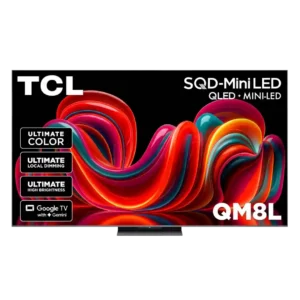
Google TV’s recommendation rows are present but generally feel relevant and unobtrusive rather than overwhelming the home screen.
Pros: picture quality, value for money
Cons: stand quality, judder handling
Large banners, unwanted promotions and autoplaying channels detract from an otherwise capable home screen. Ads cannot always be disabled completely.
Pros: color volume, overall satisfaction
Cons: value for money, color accuracy
Home-screen promotions can be disabled, but some advertising remains on the apps page. The result is cleaner than many smart TV menus without being entirely ad-free.
Pros: peak brightness, picture quality
Cons: value for money, viewing angles
A large webOS banner ad can crowd the home page. Home-screen promotions can be disabled, but ads remain on the apps page.
Pros: contrast ratio, black levels
Cons: reflection handling, color accuracy
Sponsored recommendations are still present in Tizen, which may bother people who want an uncluttered home screen.
Pros: overall satisfaction, color gamut
Cons: value for money, local dimming performance
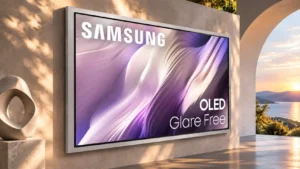
Tizen advertisements and Samsung TV Plus autoplay are recurring annoyances, and not all promotions can be disabled.
Pros: picture quality, overall satisfaction
Cons: design and appearance, Dolby Vision support
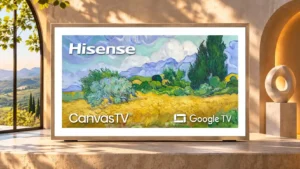
Google TV includes advertising that cannot be completely disabled without giving up most smart functions; even a generally positive software experience has this annoyance.
Pros: picture quality, color accuracy
Cons: HDR performance, sound quality
Large banner ads occupy a substantial portion of the webOS home screen. Some promotions can be disabled, but the space cannot be removed entirely.
Pros: picture quality, peak brightness
Cons: value for money, sound quality
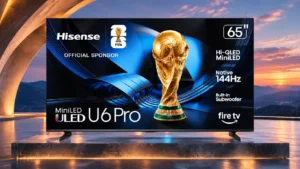
The Fire TV home screen is heavy on promotions and Amazon recommendations, a recurring annoyance even among people who like the available apps.
Pros: overall satisfaction, value for money
Cons: Smart TV platform, advertising intrusiveness

Large promoted banners and personalized recommendations consume much of the Google TV home screen; switching off personalized ads does not remove them.
Pros: overall satisfaction, glare resistance
Cons: motion handling, viewing angles
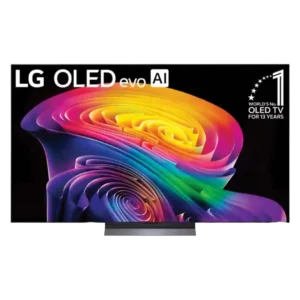
Large home-screen banners and screensaver promotions are distracting on a premium TV. LG at least allows some advertising to be disabled.
Pros: picture quality, gaming performance
Cons: value for money, sound quality
Large homepage banners and promotional content in LG apps can distract from the app selection.
Pros: value for money, peak brightness
Cons: color accuracy, stand quality
Ad behavior is inconsistent across impressions: one interface showed no top banner, while others criticized Samsung TV Plus autoplay and persistent promotional content.
Pros: glare resistance, black levels
Cons: Dolby Vision support, color gamut
Google TV’s home screen is not ad-free, and large promotional banners can be distracting.
Pros: overall satisfaction, picture quality
Cons: HDMI 2.1 port count, reflection handling
Fire TV shows ads even when personalized advertising is turned off. This may bother viewers who prefer a cleaner interface.
Pros: picture quality, black levels
Cons: bass performance, HDR brightness
Google TV displays ads even when personalization is disabled. Basic TV mode can hide them but also removes many smart features.
Pros: peak brightness, picture quality
Cons: value for money, color accuracy
Tizen places advertising across its interface; targeted ads can be switched off, but ads as a whole cannot.
Pros: black levels, contrast ratio
Cons: Dolby Vision support, stutter handling
Home-screen advertising cannot be fully switched off, although targeted ads can be disabled.
Pros: sound quality, picture quality
Cons: value for money, local dimming performance
Home-screen advertisements remain visible in Tizen, even after personalized ads are turned off.
Pros: gaming performance, color accuracy
Cons: value for money, overall satisfaction
Ads cannot be fully removed from Tizen, even though targeted-ad settings can be disabled.
Pros: picture quality, overall satisfaction
Cons: sound quality, black levels
Ads remain part of the home interface; targeted promotions can be disabled, but advertising cannot be removed altogether.
Pros: picture quality, contrast ratio
Cons: blooming control, glare resistance
Google TV includes on-screen ads even when personalized advertising is disabled. Basic offline setup removes them at the cost of smart functions.
Pros: HDMI 2.1 port count, overall satisfaction
Cons: HDR performance, bass performance
The full Google TV experience includes ads, and turning off ad personalization does not reduce their number. An ad-free basic-TV setup sacrifices smart features.
Pros: HDMI 2.1 port count, Video input versatility
Cons: value for money, overall satisfaction
Google TV continues showing ads even when personalization is disabled. Avoiding them requires a basic setup that sacrifices many smart functions.
Pros: picture quality, overall satisfaction
Cons: color crosstalk, value for money
Ads and sponsored content are a recurring irritation, with some placements impossible or cumbersome to remove and autoplay sound particularly unwelcome.
Pros: gaming performance, HDR brightness
Cons: reflection handling, glare resistance
Large sponsored sections and persistent promotions make Fire TV feel cluttered and distracting, particularly next to the elegant artwork interface.
Pros: art display mode, picture quality
Cons: contrast ratio, high-refresh-rate gaming
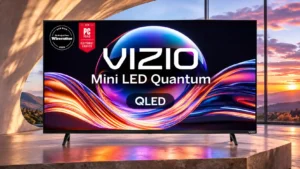
Promotional content is hard to avoid, and Scenic Mode can introduce unskippable ads unless the entire mode is disabled.
Pros: value for money, picture quality
Cons: account requirements, gaming performance
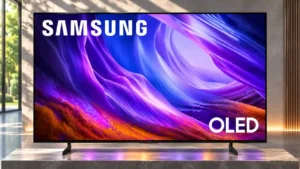
Interface ads cannot be removed entirely.
Pros: black levels, picture quality
Cons: glare resistance, reflection handling
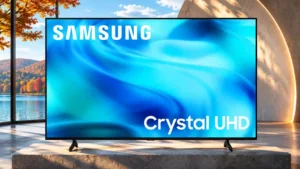
Home-screen advertisements cannot be removed entirely; only ad personalization can be switched off.
Pros: white balance accuracy, design and appearance
Cons: overall satisfaction, value for money
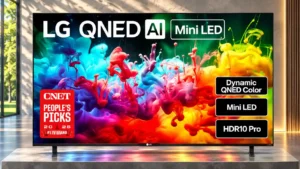
Promotions can appear in the interface and on idle screens, with no simple universal way to disable them.
Pros: picture quality, color accuracy
Cons: remote control quality, black levels
Ads are one of the clearest consensus complaints. Fire TV’s home screen, recommendations, and upselling can feel aggressive, with several customers describing them as intrusive or obstructive.
Pros: picture quality, overall satisfaction
Cons: value for money, reliability

Ads remain in the smart TV interface. Targeted advertising can be disabled, but the ads themselves cannot be removed entirely.
Pros: art display mode, design and appearance
Cons: overall satisfaction, HDMI port accessibility
Ads cannot be completely removed from the TV interface, even when targeted advertising is disabled.
Pros: cable management, design and appearance
Cons: value for money, Dolby Vision support
Google TV serves advertisements that cannot be disabled while keeping the full smart interface. Basic TV mode avoids them, but strips out most smart features.
Pros: picture quality, black levels
Cons: viewing angles, motion clarity

Advertising in the Google TV home interface cannot be turned off, a drawback for anyone wanting an uncluttered screen.
Pros: peak brightness, blooming control
Cons: value for money, motion clarity