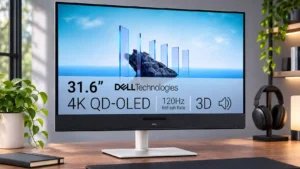
High-resolution images, strong color and useful HDR make editing engaging, with calibration and static-interface burn-in risk worth considering.
Pros: overall picture quality, overall satisfaction
Cons: port selection, brightness

High-resolution images, strong color and useful HDR make editing engaging, with calibration and static-interface burn-in risk worth considering.
Pros: overall picture quality, overall satisfaction
Cons: port selection, brightness
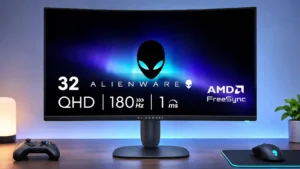
General YouTube-style editing feels comfortable on the large screen, with sufficient picture quality for non-specialist creator work.
Pros: value for money, overall satisfaction
Cons: HDR performance, Headphone output quality
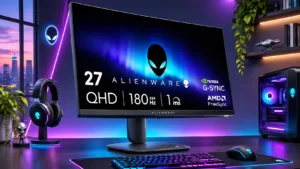
A creator found the QHD screen a useful addition to an editing workstation, although it is not positioned as a color-grading specialist.
Pros: overall satisfaction, refresh rate
Cons: HDR performance, HDMI 2.1 support

Sharp 4K detail, broad gamut and multiple connections suit editing timelines and professional creative tools, though panel uniformity and weak HDR dimming limit exacting grading.
Pros: port selection, USB hub functionality
Cons: competitive gaming suitability, motion clarity

Detailed 4K imagery and acceptable everyday color suit amateur and general-purpose editing; serious grading and exact fractional-rate workflows have caveats.
Pros: value for money, Resolution
Cons: port selection, competitive gaming suitability
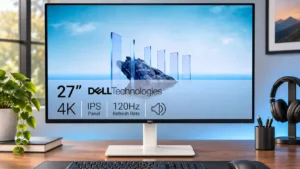
The accurate 4K panel suits general video editing and detailed sRGB work, but wide-gamut grading would benefit from a specialist monitor.
Pros: value for money, Resolution
Cons: port selection, HDR performance
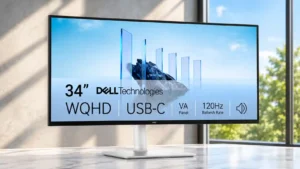
The ultrawide gives convenient room for video work and adequate amateur color, but it is not a high-end grading screen.
Pros: overall satisfaction, screen size
Cons: stand adjustability, Photo editing