Best for VRR range
Samsung S95H OLED
5.0 attribute score
Highest scored product for this attribute based on supporting review evidence.

Highest scored product for this attribute based on supporting review evidence.
Balances the attribute score, supporting reviews, and overall product strength.
Has the broadest review evidence for this attribute.
Strongest overall product among items with scored evidence for this attribute.
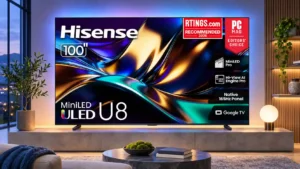
Overall: 4.1/5
A broad refresh range helps compatible games stay smooth even through frame drops, although motion behavior around 60fps can be erratic.
Pros: peak brightness, HDR brightness
Cons: sound quality, viewing angles
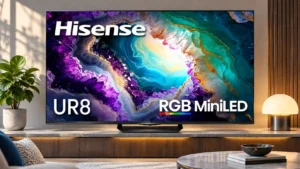
Overall: 4.0/5
Low-frame-rate compensation helps keep games tear-free even when performance dips far below the panel's maximum refresh.
Pros: gaming performance, color volume
Cons: blooming control, dark-room performance
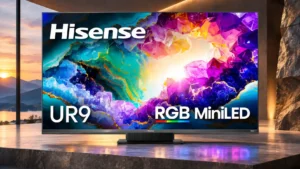
Overall: 4.1/5
Low Framerate Compensation keeps tearing suppressed even when frame rates fall below the normal VRR floor.
Pros: peak brightness, picture quality
Cons: value for money, color accuracy
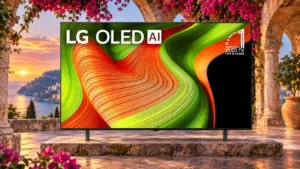
Overall: 4.2/5
Adaptive refresh remains effective over a wide frame-rate range, including low-frame-rate compensation.
Pros: value for money, color accuracy
Cons: HDR brightness, reflection handling
Overall: 4.0/5
Low-frame-rate compensation extends variable refresh operation below the panel’s normal minimum to reduce tearing.
Pros: contrast ratio, black levels
Cons: reflection handling, color accuracy

Overall: 4.1/5
VRR extends up to 165Hz for PC gaming while fully covering the 120Hz ceiling of current consoles.
Pros: picture quality, gaming performance
Cons: value for money, sound quality
Overall: 4.1/5
Variable refresh remains effective over a broad refresh range, including lower-frame-rate situations with compensation.
Pros: gaming performance, HDR brightness
Cons: reflection handling, glare resistance

Overall: 4.2/5
VRR range draws favorable reactions, with clear strengths noted in the G5’s real-world performance.
Pros: overall satisfaction, picture quality
Cons: banding control, remote control quality
Overall: 4.0/5
Low-frame-rate compensation extends the smooth gaming effect into slower sections instead of allowing frequent tearing.
Pros: overall satisfaction, picture quality
Cons: size options, value for money
Overall: 4.1/5
Gaming remains nearly tear-free even at lower frame rates when the source supports compensation.
Pros: black levels, contrast ratio
Cons: Dolby Vision support, stutter handling

Overall: 3.1/5
Variable refresh operates effectively over a wide range and can use low-frame-rate compensation.
Pros: gaming performance, color accuracy
Cons: value for money, overall satisfaction

Overall: 3.8/5
The wide VRR window and low-frame-rate compensation help games stay nearly tear-free when performance fluctuates.
Pros: picture quality, 4K at 144 Hz support
Cons: sound quality, value for money
Overall: 3.8/5
The set maintains a tear-resistant picture across a broad frame-rate span, even when games slow down significantly.
Pros: overall satisfaction, picture quality
Cons: value for money, local dimming performance

Overall: 3.8/5
Variable refresh support continues to prevent tearing even when frame rates drop, aided by low-framerate compensation.
Pros: picture quality, contrast ratio
Cons: blooming control, glare resistance

Overall: 4.2/5
The wide VRR range and low-frame-rate compensation keep gameplay steadier when performance fluctuates.
Pros: high-refresh-rate gaming, gaming performance
Cons: value for money, bass performance
Overall: 4.2/5
The wide VRR operating range and frame compensation help keep gameplay tear-free even when performance dips.
Pros: picture quality, glare resistance
Cons: value for money, bass performance
Overall: 3.8/5
The unusually broad VRR range supports low-frame-rate compensation and reduces tearing when frame rates fluctuate.
Pros: glare resistance, overall satisfaction
Cons: input lag, value for money

Overall: 3.9/5
Low-frame-rate compensation extends smooth play when game frame rates dip.
Pros: color volume, black levels
Cons: Inconsistent panel and coating by size, sound quality

Overall: 4.0/5
Adaptive synchronization remains effective across the refresh range, including lower frame rates when compensation is available.
Pros: black levels, picture quality
Cons: glare resistance, reflection handling
Overall: 4.2/5
Variable refresh works reliably over the refresh range and keeps low-frame-rate content from tearing badly.
Pros: picture quality, overall satisfaction
Cons: design and appearance, Dolby Vision support

Overall: 3.5/5
Variable refresh works well across the supported range, including low frame rates when the source provides compensation.
Pros: art display mode, design and appearance
Cons: overall satisfaction, HDMI port accessibility
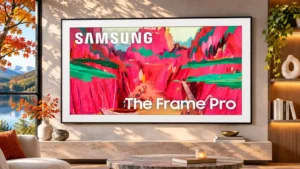
Overall: 3.8/5
The broad VRR window and low-framerate compensation are useful for variable frame-rate gameplay.
Pros: Wireless One Connect compatibility, art display mode
Cons: value for money, input lag

Overall: 3.8/5
Variable refresh works across the screen's full supported range and handles lower frame rates with compensation.
Pros: cable management, design and appearance
Cons: value for money, Dolby Vision support
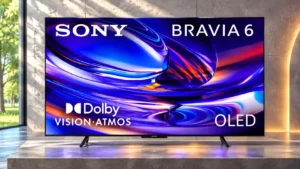
Overall: 3.8/5
Adaptive refresh performs well across the supported range, including low frame rates when the source supports compensation. Tearing is kept to a minimum.
Pros: HDMI 2.1 port count, Video input versatility
Cons: value for money, overall satisfaction
Overall: 4.3/5
The 48Hz-to-144Hz range at 4K suits a wide spread of PC and console frame rates.
Pros: picture quality, black levels
Cons: bass performance, HDR brightness

Overall: 4.4/5
VRR remains smooth and tear-free up to 4K HDR 165Hz, giving PCs a very wide operating range.
Pros: picture quality, peak brightness
Cons: value for money, sound quality
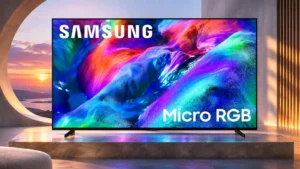
Overall: 3.8/5
Variable refresh works across the refresh range, with low-frame-rate compensation helping when game performance drops.
Pros: overall satisfaction, color gamut
Cons: value for money, local dimming performance

Overall: 3.4/5
Supported high-bandwidth HDMI inputs cover a broad VRR range, reducing tearing when frame rates dip; the 60Hz ports are less capable.
Pros: picture quality, value for money
Cons: viewing angles, HDR performance

Overall: 3.8/5
Low-frame-rate compensation helps maintain tear-free play even when games drop well below their target frame rates.
Pros: picture quality, overall satisfaction
Cons: color crosstalk, value for money
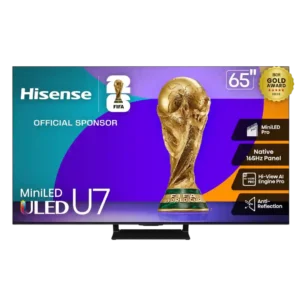
Overall: 4.0/5
VRR can run smoothly across a wide range, but other testing found instability around certain frame-rate transitions.
Pros: overall satisfaction, picture quality
Cons: reliability, build quality

Overall: 4.0/5
A broad VRR operating range and low-frame compensation keep many variable-frame-rate games free from distracting tearing.
Pros: reflection handling, overall satisfaction
Cons: Dolby Vision support, bass performance
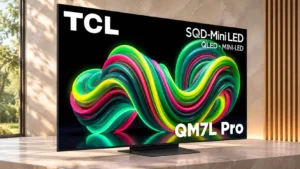
Overall: 4.1/5
Low Framerate Compensation helps games stay nearly free of tearing even when performance dips sharply.
Pros: picture quality, black levels
Cons: viewing angles, motion clarity
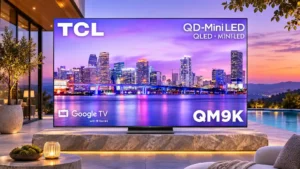
Overall: 3.9/5
Low-frame-rate compensation helps preserve tear-free play when frame rates drop, making VRR useful across a broad range.
Pros: peak brightness, overall satisfaction
Cons: value for money, shadow detail
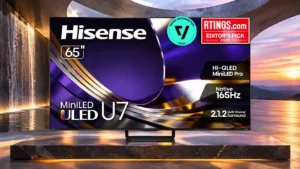
Overall: 4.2/5
The broad adaptive-refresh window is useful at high frame rates, but 60Hz handshakes and certain VRR transitions can be problematic.
Pros: overall satisfaction, glare resistance
Cons: motion handling, viewing angles
Overall: 3.9/5
VRR covers most ordinary gaming refresh scenarios but drops out in 1080p/240Hz mode.
Pros: overall satisfaction, picture quality
Cons: Weight and handling, black levels

Overall: 3.8/5
VRR helps at common frame rates and supports low-frame-rate compensation, but it does not function above 144Hz.
Pros: picture quality, color accuracy
Cons: HDR performance, sound quality
Overall: 2.9/5
Variable refresh is most useful at 1080p; its narrow range at 4K prevents low-frame-rate compensation and may still show tearing.
Pros: value for money, picture quality
Cons: account requirements, gaming performance
Overall: 3.6/5
The 4K VRR window is narrow and cannot use low-framerate compensation below its floor. Lower resolutions work across a more useful range.
Pros: black levels, picture quality
Cons: HDR performance, blooming control
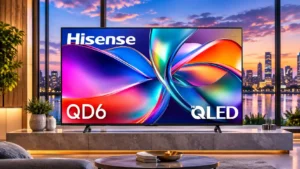
Overall: 3.9/5
The narrow low-end operating window can allow tearing below roughly 48fps on tested smaller screens.
Pros: picture quality, contrast ratio
Cons: HDR performance, motion handling
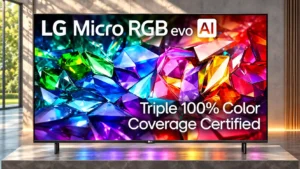
Overall: 3.0/5
The narrow 4K VRR range allows tearing below about 48fps rather than smoothing the full experience.
Pros: color accuracy, Picture detail
Cons: HDR performance, motion clarity
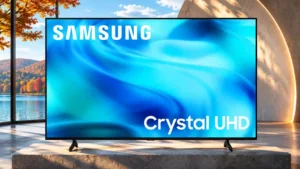
Overall: 4.0/5
The highest refresh and motion-boost modes are promising, but a PC test required disabling the boosted option to stop flickering.
Pros: peak brightness, picture quality
Cons: value for money, viewing angles
Overall: 2.7/5
The narrow usable VRR window cannot handle low frame rates well, so tearing may still appear during gameplay.
Pros: white balance accuracy, design and appearance
Cons: overall satisfaction, value for money

Overall: 3.3/5
The roughly 48–60Hz VRR window is too restrictive to prevent tearing when a game dips further in frame rate.
Pros: color accuracy, upscaling quality
Cons: picture quality, sound quality

Overall: 3.1/5
The limited 48–60Hz operating band does not support low-frame-rate compensation, so tearing reappears once a game drops below the range.
Pros: design and appearance, maximum volume
Cons: picture quality, value for money
Overall: 3.9/5
VRR does not extend below 60Hz, narrowing its usefulness when frame rates fall beneath that threshold.
Pros: gaming performance, peak brightness
Cons: HDMI 2.1 support, HDMI 2.1 port count
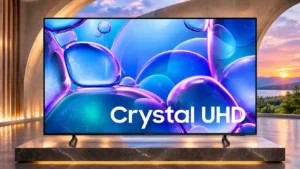
Overall: 3.0/5
Variable-refresh support stops being useful below roughly 48fps, so slowdowns can still produce visible tearing.
Pros: picture quality, smart TV platform
Cons: value for money, refresh rate

Overall: 3.4/5
The narrow working range leaves no effective low-frame-rate compensation and limits VRR usefulness.
Pros: art display mode, picture quality
Cons: contrast ratio, high-refresh-rate gaming
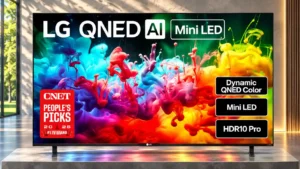
Overall: 3.4/5
The limited VRR range lacks low-frame-rate compensation, so tearing can return below 48fps.
Pros: picture quality, color accuracy
Cons: remote control quality, black levels
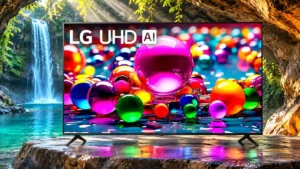
Overall: 3.0/5
VRR stops being effective below roughly 48Hz, so lower-frame-rate games can still tear.
Pros: viewing angles, smart TV platform
Cons: overall satisfaction, refresh rate
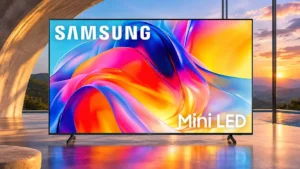
Overall: 2.6/5
The refresh window is too narrow for low-frame-rate compensation and mainly helps near 60fps.
Pros: sound quality, picture quality
Cons: value for money, local dimming performance