Best for stutter handling
TCL QM8L
5.0 attribute score
Highest scored product for this attribute based on supporting review evidence.

Highest scored product for this attribute based on supporting review evidence.
Balances the attribute score, supporting reviews, and overall product strength.
Has the broadest review evidence for this attribute.
Strongest overall product among items with scored evidence for this attribute.
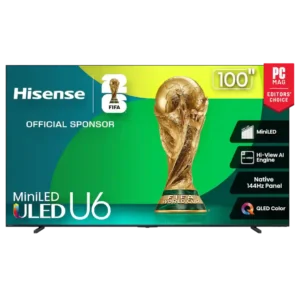
Overall: 4.2/5
Sports playback can remain smooth and consistent without choppiness, indicating strong stutter control in that test.
Pros: overall satisfaction, value for money
Cons: smart TV platform, blooming control
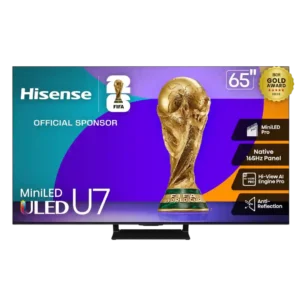
Overall: 4.0/5
At least one gamer reported smooth play with no shuddering or frame-rate drops, indicating good stutter behavior in that setup.
Pros: overall satisfaction, picture quality
Cons: reliability, build quality
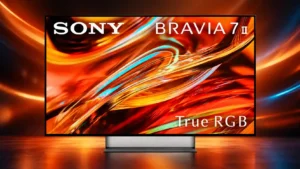
Overall: 4.2/5
120fps VRR gaming showed no noticeable micro-stutter in hands-on play.
Pros: overall satisfaction, picture quality
Cons: HDMI 2.1 port count, reflection handling
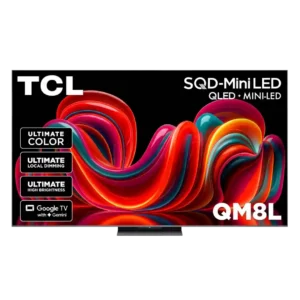
Overall: 4.4/5
The newer processing reduces stutter even with motion smoothing disabled, making ordinary playback feel more natural than on the previous generation.
Pros: picture quality, value for money
Cons: stand quality, judder handling
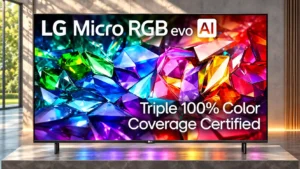
Overall: 4.0/5
The panel holds film frames with relatively little stutter, and smooth camera pans are an occasional strength.
Pros: peak brightness, picture quality
Cons: value for money, viewing angles
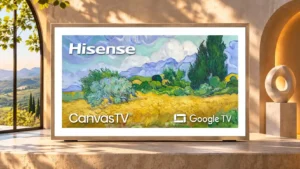
Overall: 3.8/5
Low-level interpolation noticeably reduces frame-hold stutter without strongly changing the cinematic look.
Pros: picture quality, color accuracy
Cons: HDR performance, sound quality
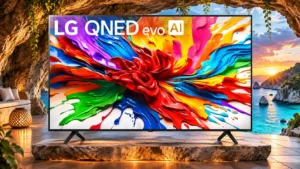
Overall: 3.9/5
Optional interpolation smooths low-frame-rate films without markedly changing their natural appearance.
Pros: gaming performance, overall satisfaction
Cons: sound quality, value for money
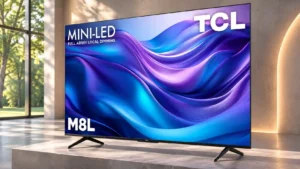
Overall: 4.1/5
Frame interpolation runs smoothly and consistently, helping tame stutter in slower-frame-rate video.
Pros: value for money, overall satisfaction
Cons: HDR brightness

Overall: 3.4/5
Motion interpolation reduces stutter effectively on slow pans when enabled, with little variation in timing.
Pros: picture quality, value for money
Cons: viewing angles, HDR performance

Overall: 3.8/5
Low levels of interpolation reduce the hold-time stutter that can appear in slow panning shots.
Pros: picture quality, overall satisfaction
Cons: color crosstalk, value for money
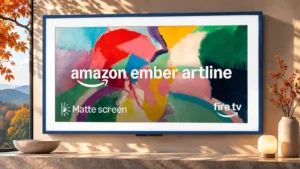
Overall: 3.4/5
Slow pixel response softens typical frame-hold stutter, though slow camera pans can still reveal it.
Pros: art display mode, picture quality
Cons: contrast ratio, high-refresh-rate gaming
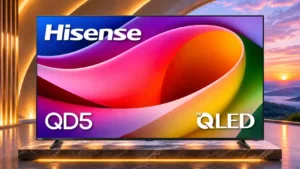
Overall: 3.9/5
Slow response reduces visible frame-to-frame stutter during slow camera pans, though slight judder may still appear.
Pros: overall satisfaction, picture quality
Cons: Weight and handling, black levels
Overall: 4.3/5
Slow cinematic pans may show mild stutter, but it is usually manageable and optional smoothing can help.
Pros: picture quality, black levels
Cons: bass performance, HDR brightness
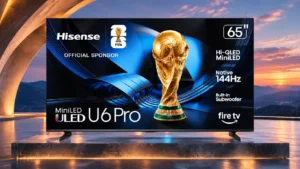
Overall: 4.1/5
Slow pixel response reduces harsh stutter in ordinary pans, although a trace remains in very slow movement.
Pros: overall satisfaction, value for money
Cons: Smart TV platform, advertising intrusiveness
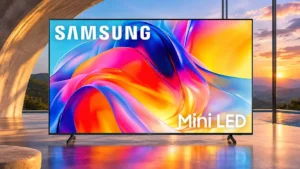
Overall: 2.6/5
Slow pixel response reduces visible stutter in most scenes, with occasional issues during very slow pans.
Pros: sound quality, picture quality
Cons: value for money, local dimming performance

Overall: 3.1/5
Slow panning shots show a little stutter, but less than on many comparable TVs.
Pros: gaming performance, color accuracy
Cons: value for money, overall satisfaction
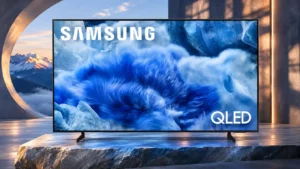
Overall: 3.3/5
Film pacing is generally acceptable with only subtle stutter during some slow camera movements.
Pros: overall satisfaction, picture quality
Cons: reliability, remote control quality
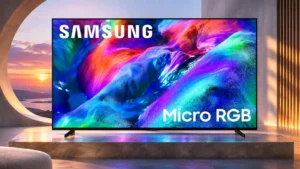
Overall: 3.8/5
Relatively modest motion stutter is generally easy to live with, even during slow camera pans.
Pros: overall satisfaction, color gamut
Cons: value for money, local dimming performance
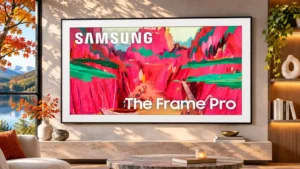
Overall: 3.8/5
The slow cinematic response can slightly reduce low-frame-rate stutter, although it adds blur.
Pros: Wireless One Connect compatibility, art display mode
Cons: value for money, input lag
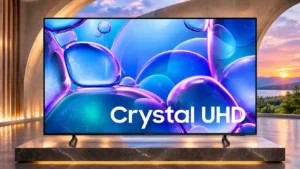
Overall: 3.0/5
Slow transitions help hide some panning stutter even while sacrificing crispness during fast action.
Pros: picture quality, smart TV platform
Cons: value for money, refresh rate

Overall: 3.3/5
Film-like frame rates can avoid micro-judder, which helps slower cinematic scenes feel steady.
Pros: color accuracy, upscaling quality
Cons: picture quality, sound quality
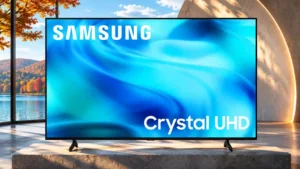
Overall: 2.7/5
Slow response time keeps conventional film stutter fairly low, with only occasional slight catches in wide pans.
Pros: white balance accuracy, design and appearance
Cons: overall satisfaction, value for money
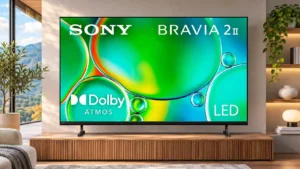
Overall: 3.6/5
Slow camera pans produce only minor stutter, with motion interpolation offering a further improvement when desired.
Pros: picture quality, overall satisfaction
Cons: sound quality, reliability
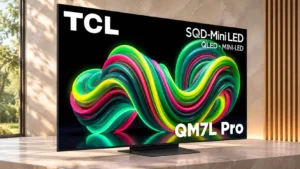
Overall: 4.1/5
Relatively low stutter keeps most panning footage watchable, though slow pans can still look slightly choppy.
Pros: picture quality, black levels
Cons: viewing angles, motion clarity
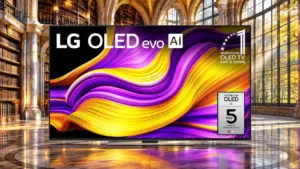
Overall: 4.2/5
Rapid pixel transitions produce wonderfully crisp motion but can also make slow 24fps pans look choppy; careful motion settings help only partially.
Pros: overall satisfaction, picture quality
Cons: banding control, remote control quality
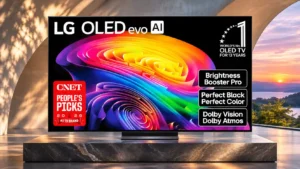
Overall: 4.1/5
OLED response exposes some film-pan stutter, but modest motion interpolation helps without making movies look overly processed.
Pros: gaming performance, HDR brightness
Cons: reflection handling, glare resistance

Overall: 4.1/5
OLED’s fast response can expose stutter in low-frame-rate movies, although interpolation reduces it. Broadcast and fast-edit content generally avoids micro-stutter.
Pros: picture quality, gaming performance
Cons: value for money, sound quality

Overall: 3.8/5
Film pans can retain mild stutter, while some firsthand gaming appeared smooth and only cloud streaming showed occasional delays.
Pros: cable management, design and appearance
Cons: value for money, Dolby Vision support

Overall: 4.4/5
Near-instant OLED response makes 24p stutter visible, especially on larger screens; light TruMotion can smooth it at the risk of some soap-opera effect.
Pros: picture quality, peak brightness
Cons: value for money, sound quality
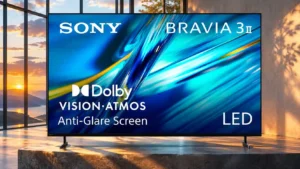
Overall: 3.8/5
Slow camera pans can show mild stutter; conservative interpolation reduces it without completely removing it.
Pros: HDMI 2.1 port count, overall satisfaction
Cons: HDR performance, bass performance
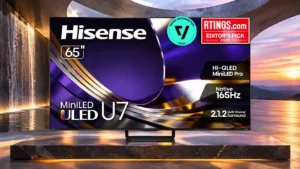
Overall: 4.2/5
Low-frame-rate films can stutter on slow pans, but a little interpolation makes motion easier to watch.
Pros: overall satisfaction, glare resistance
Cons: motion handling, viewing angles
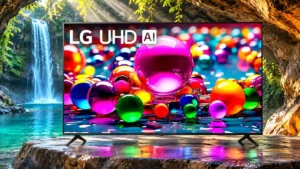
Overall: 3.0/5
Slow pixel response reduces some 24fps stutter, but slow camera pans can still show issues and blur remains.
Pros: viewing angles, smart TV platform
Cons: overall satisfaction, refresh rate
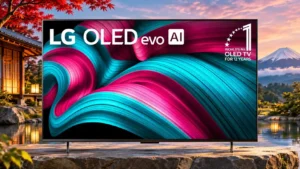
Overall: 4.0/5
Slow camera pans in low-frame-rate content can look choppy because pixels change so quickly. Interpolation only partly remedies that effect.
Pros: value for money, overall satisfaction
Cons: Remote control usability, sound quality

Overall: 4.0/5
Slow camera pans can show occasional stutter, but motion controls reduce it and not everyone finds it distracting.
Pros: color accuracy, picture quality
Cons: HDR brightness, peak brightness
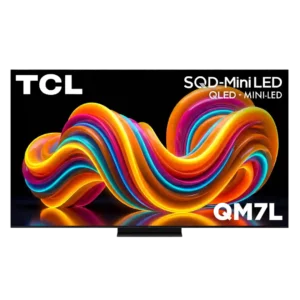
Overall: 3.9/5
Minor sputter and stutter appear in some low-frame-rate scenes, though higher-speed content often remains acceptable.
Pros: peak brightness, picture quality
Cons: color accuracy, viewing angles
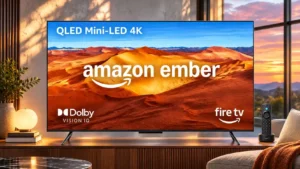
Overall: 3.7/5
Slow movie pans can show moderate stutter even though other motion looks acceptable.
Pros: value for money, HDR brightness
Cons: color accuracy, shadow detail
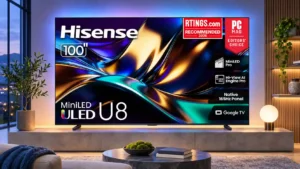
Overall: 4.1/5
Some slow movie pans stutter or drop frames, though controlled tests found decent cinematic response in other material.
Pros: peak brightness, HDR brightness
Cons: sound quality, viewing angles
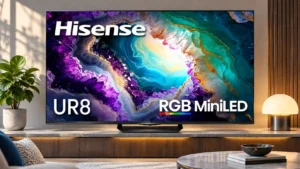
Overall: 4.0/5
Slow pans can show some mild stutter; light motion interpolation helps but doesn't always eliminate unevenness.
Pros: gaming performance, color volume
Cons: blooming control, dark-room performance
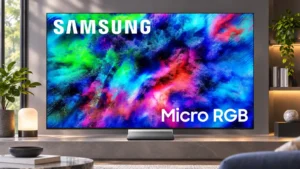
Overall: 3.7/5
Most regular content plays smoothly, though some frame transitions or smoothing settings can make movement choppy. Fast-paced games fare better than difficult cinematic pans.
Pros: color volume, overall satisfaction
Cons: value for money, color accuracy
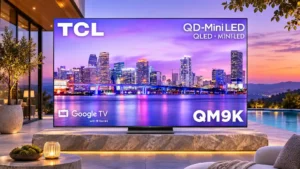
Overall: 3.9/5
Slow movie pans can visibly stutter even though most film motion looks good. Interpolation offers an effective workaround for those who prefer smoother motion.
Pros: peak brightness, overall satisfaction
Cons: value for money, shadow detail

Overall: 4.0/5
Quick OLED response reveals choppiness in slow low-frame-rate pans; smoothing alleviates it imperfectly.
Pros: reflection handling, overall satisfaction
Cons: Dolby Vision support, bass performance

Overall: 3.9/5
Slow pans can stutter because of the fast pixel response; motion interpolation helps, though some people may not notice the issue.
Pros: peak brightness, value for money
Cons: reflection handling, glare resistance
Overall: 3.9/5
24fps stutter is present but well managed, and modest smoothing can reduce it without adding a heavy soap-opera effect.
Pros: gaming performance, peak brightness
Cons: HDMI 2.1 support, HDMI 2.1 port count
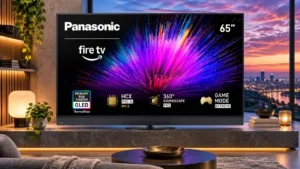
Overall: 4.3/5
The fast OLED response can make low-frame-rate camera pans appear uneven, with mild interpolation offering a compromise.
Pros: picture quality, color accuracy
Cons: bass performance, HDMI 2.1 port count

Overall: 3.8/5
Slow pans can show visible stutter, especially without carefully chosen smoothing settings.
Pros: picture quality, contrast ratio
Cons: blooming control, glare resistance
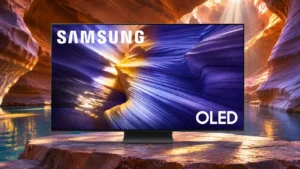
Overall: 3.9/5
Very fast pixel response can expose low-frame-rate stutter, and certain edits or motion patterns look less fluid.
Pros: value for money, overall satisfaction
Cons: Dolby Vision support, sound quality
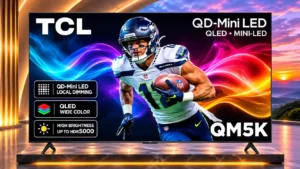
Overall: 3.6/5
Slow camera pans can stutter, although one assessment considered the effect relatively mild with basic settings.
Pros: black levels, picture quality
Cons: HDR performance, blooming control

Overall: 4.5/5
OLED stutter can appear in some motion settings and slow pans, though several impressions describe it as subtle rather than broadly distracting.
Pros: glare resistance, black levels
Cons: Dolby Vision support, color gamut

Overall: 4.0/5
Slow pans can stutter, particularly at low frame rates, but gentle interpolation can reduce the distraction.
Pros: peak brightness, blooming control
Cons: value for money, motion clarity
Overall: 4.1/5
24fps film pans can show stutter even though overall motion handling is competitive.
Pros: contrast ratio, value for money
Cons: peak brightness, HDR brightness