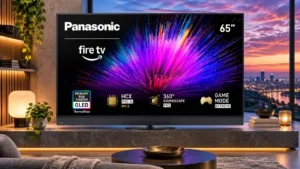
Overall: 4.3/5
Dolby Vision, HDR10+, HDR10 and HLG give this set particularly complete HDR compatibility.
Pros: picture quality, color accuracy
Cons: bass performance, HDMI 2.1 port count

Overall: 4.3/5
Dolby Vision, HDR10+, HDR10 and HLG give this set particularly complete HDR compatibility.
Pros: picture quality, color accuracy
Cons: bass performance, HDMI 2.1 port count

Overall: 4.2/5
HDR format support is a clear strength, with the major formats repeatedly praised as unusually complete for this price tier.
Pros: overall satisfaction, value for money
Cons: smart TV platform, blooming control

Overall: 4.0/5
The TV covers essentially every major HDR format reviewers cared about, making format compatibility a clear strength.
Pros: overall satisfaction, picture quality
Cons: reliability, build quality
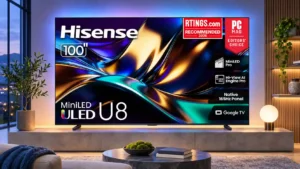
Overall: 4.1/5
Dolby Vision and HDR10+ content are both well served, allowing a wide range of streaming and disc sources to use HDR.
Pros: peak brightness, HDR brightness
Cons: sound quality, viewing angles
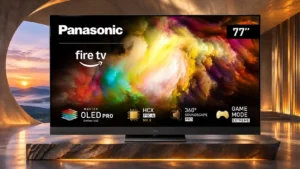
Overall: 4.0/5
Support for both Dolby Vision and HDR10+ is a meaningful strength for viewers using varied services and sources.
Pros: overall satisfaction, picture quality
Cons: size options, value for money

Overall: 4.0/5
Support for major HDR standards gives the TV flexibility across discs and services, without changing the display’s brightness ceiling.
Pros: color accuracy, picture quality
Cons: HDR brightness, peak brightness
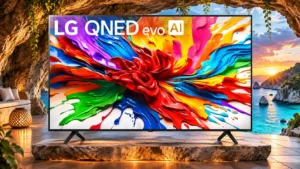
Overall: 3.9/5
Dolby Vision, HDR10, and HLG compatibility are welcomed for modern movie and streaming sources.
Pros: gaming performance, overall satisfaction
Cons: sound quality, value for money
Overall: 3.6/5
Support for both major dynamic HDR formats makes the QM5K flexible across streaming services and compatible sources.
Pros: black levels, picture quality
Cons: HDR performance, blooming control

Overall: 4.0/5
HDR10 and HDR10+ offer strong image quality, but the omission of Dolby Vision reduces format flexibility.
Pros: reflection handling, overall satisfaction
Cons: Dolby Vision support, bass performance

Overall: 3.9/5
Dolby Vision and HDR10+ broaden compatibility with streaming and movie sources that use different HDR standards.
Pros: peak brightness, value for money
Cons: reflection handling, glare resistance
Overall: 4.2/5
HDR format support is a mixed area, combining useful capabilities with practical caveats.
Pros: overall satisfaction, picture quality
Cons: banding control, remote control quality
Overall: 3.0/5
The set accepts the main HDR formats through apps and external players, although displaying impactful HDR is another matter.
Pros: color accuracy, Picture detail
Cons: HDR performance, motion clarity
Overall: 4.0/5
Dolby Vision, HDR10 and HLG cover most common viewing needs, although HDR10+ remains absent.
Pros: value for money, overall satisfaction
Cons: Remote control usability, sound quality
Overall: 3.0/5
HDR10, HDR10+ and HLG are supported, but Dolby Vision is absent and the panel cannot make most HDR scenes impactful.
Pros: picture quality, smart TV platform
Cons: value for money, refresh rate

Overall: 3.8/5
HDR10 and HDR10+ are available, but the missing Dolby Vision option limits compatibility with some premium content.
Pros: overall satisfaction, picture quality
Cons: value for money, local dimming performance

Overall: 3.9/5
HDR10+ is present, but the lack of Dolby Vision limits compatibility with some preferred movie and gaming formats.
Pros: color volume, black levels
Cons: Inconsistent panel and coating by size, sound quality

Overall: 4.2/5
HDR10+ is available, but the missing Dolby Vision format limits versatility with certain sources and gaming systems.
Pros: high-refresh-rate gaming, gaming performance
Cons: value for money, bass performance
Overall: 3.0/5
HDR10 and HLG cover basic HDR playback, but the lack of Dolby Vision and HDR10+ leaves important formats unavailable.
Pros: viewing angles, smart TV platform
Cons: overall satisfaction, refresh rate
Overall: 3.3/5
Basic HDR formats are usable, but Dolby Vision is missing and HDR10+ does not deliver the expected full dynamic-metadata treatment.
Pros: picture quality, motion handling
Cons: HDR performance, HDR brightness
Overall: 3.6/5
HDR10 and HLG are available, but the missing Dolby Vision option is disappointing for viewers who specifically value that format.
Pros: picture quality, overall satisfaction
Cons: sound quality, reliability

Overall: 3.8/5
HDR10+ support is useful, but the missing Dolby Vision option narrows compatibility with films and streaming services.
Pros: picture quality, 4K at 144 Hz support
Cons: sound quality, value for money

Overall: 3.3/5
The available HDR formats provide basic compatibility, but limited luminance and missing Dolby Vision reduce the appeal for format-focused viewers.
Pros: color accuracy, upscaling quality
Cons: picture quality, sound quality

Overall: 3.9/5
Core HDR formats are well covered, but the absence of HDR10+ means those sources fall back to static HDR10 metadata.
Pros: gaming performance, peak brightness
Cons: HDMI 2.1 support, HDMI 2.1 port count
Overall: 3.8/5
HDR10+ is supported, but the absence of Dolby Vision limits playback options for some premium movies and games.
Pros: glare resistance, overall satisfaction
Cons: input lag, value for money