
Overall: 4.1/5
Dolby Vision, HDR10+, and other common HDR options provide wide compatibility across streaming and discs.
Pros: overall satisfaction, value for money
Cons: Smart TV platform, advertising intrusiveness

Overall: 4.1/5
Dolby Vision, HDR10+, and other common HDR options provide wide compatibility across streaming and discs.
Pros: overall satisfaction, value for money
Cons: Smart TV platform, advertising intrusiveness
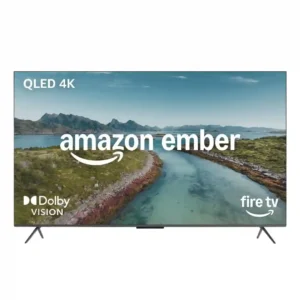
Overall: 3.3/5
Format coverage is excellent, with reviewers appreciating broad support for Dolby Vision, HDR10, HDR10+ and related formats. Compatibility is not the problem; panel performance is the larger constraint.
Pros: picture quality, overall satisfaction
Cons: value for money, reliability
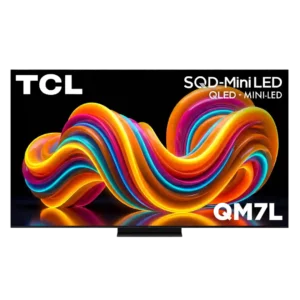
Overall: 3.9/5
Dolby Vision, HDR10, HDR10+, and HLG provide unusually complete HDR compatibility for this price tier.
Pros: peak brightness, picture quality
Cons: color accuracy, viewing angles
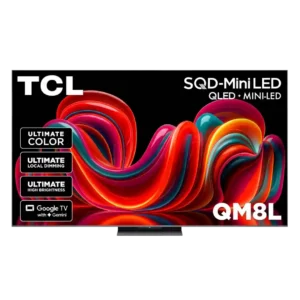
Overall: 4.4/5
Broad HDR compatibility helps the QM8L display richly graded content across major formats rather than forcing buyers into a single ecosystem.
Pros: picture quality, value for money
Cons: stand quality, judder handling

Overall: 3.8/5
The range of supported HDR formats is broad enough to avoid choosing a TV around one preferred HDR standard.
Pros: picture quality, overall satisfaction
Cons: color crosstalk, value for money
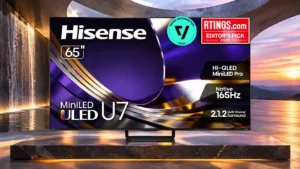
Overall: 4.2/5
Dolby Vision and HDR10+ cover both major premium HDR ecosystems, so format compatibility is rarely a concern.
Pros: overall satisfaction, glare resistance
Cons: motion handling, viewing angles
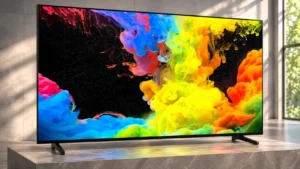
Overall: 4.3/5
Support for Dolby Vision and HDR10+ variants gives streaming viewers strong compatibility with popular HDR sources.
Pros: picture quality, black levels
Cons: bass performance, HDR brightness
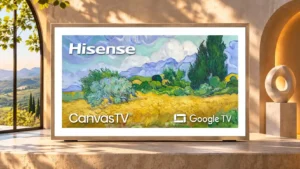
Overall: 3.8/5
Useful HDR formats including Dolby Vision IQ and HDR10+ Adaptive contribute positively to supported content.
Pros: picture quality, color accuracy
Cons: HDR performance, sound quality
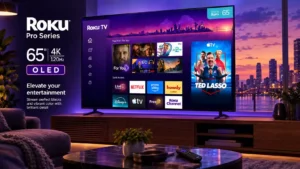
Overall: 4.1/5
Supporting both Dolby Vision and HDR10+ is an uncommon advantage for viewers using different HDR sources.
Pros: contrast ratio, value for money
Cons: peak brightness, HDR brightness
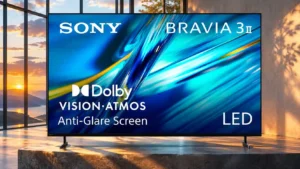
Overall: 3.8/5
Dolby Vision, HDR10 and HLG give good access to mainstream streaming formats. HDR10+ remains absent, even for services that offer it.
Pros: HDMI 2.1 port count, overall satisfaction
Cons: HDR performance, bass performance
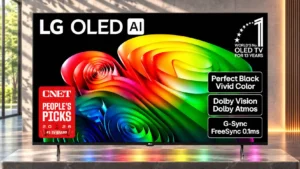
Overall: 3.8/5
Dolby Vision, HDR10 and HLG give broad movie compatibility; HDR10+ remains absent.
Pros: value for money, peak brightness
Cons: color accuracy, stand quality
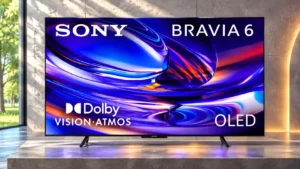
Overall: 3.8/5
HDR10, HLG, and Dolby Vision cover the major formats many viewers use. HDR10+ is absent, so that particular format requires fallback playback.
Pros: HDMI 2.1 port count, Video input versatility
Cons: value for money, overall satisfaction
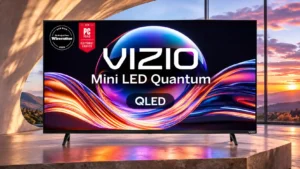
Overall: 2.9/5
Dolby Vision, HDR10+, HDR10, and HLG make the set flexible with HDR sources, even if its image hardware cannot maximize every format.
Pros: value for money, picture quality
Cons: account requirements, gaming performance

Overall: 3.1/5
HDR10, HDR10+ and HLG are available, but Dolby Vision is a conspicuous omission.
Pros: gaming performance, color accuracy
Cons: value for money, overall satisfaction

Overall: 4.1/5
Dolby Vision, HDR10, and HLG are supported, but the continued absence of HDR10+ keeps the format lineup from being complete.
Pros: picture quality, gaming performance
Cons: value for money, sound quality
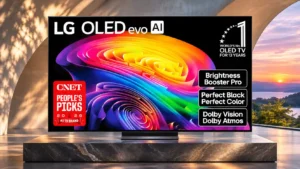
Overall: 4.1/5
Dolby Vision and HDR10 cover common material well, but HDR10+ and Dolby Vision 2 are absent.
Pros: gaming performance, HDR brightness
Cons: reflection handling, glare resistance

Overall: 4.0/5
Available HDR formats are useful, but Dolby Vision is excluded.
Pros: black levels, picture quality
Cons: glare resistance, reflection handling
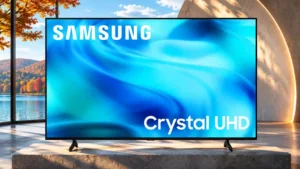
Overall: 2.7/5
The TV accepts common HDR material, but a missing Dolby Vision option and limited panel contrast reduce its usefulness.
Pros: white balance accuracy, design and appearance
Cons: overall satisfaction, value for money
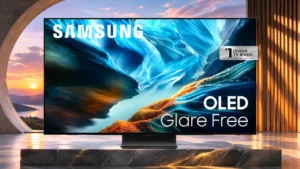
Overall: 4.1/5
Dolby Vision is notably missing from an otherwise capable HDR display, potentially restricting preferred content formats.
Pros: black levels, contrast ratio
Cons: Dolby Vision support, stutter handling

Overall: 4.5/5
The S90H handles HDR10-family content well, but the continued absence of Dolby Vision remains a meaningful format limitation for some movie viewers.
Pros: glare resistance, black levels
Cons: Dolby Vision support, color gamut

Overall: 3.8/5
HDR10+ is supported, but no Dolby Vision leaves a notable gap for format-conscious viewers.
Pros: cable management, design and appearance
Cons: value for money, Dolby Vision support
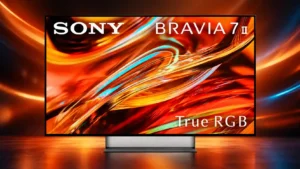
Overall: 4.2/5
The format lineup is strong but incomplete because HDR10+ is missing, an omission that feels harder to justify at this price.
Pros: overall satisfaction, picture quality
Cons: HDMI 2.1 port count, reflection handling

Overall: 4.0/5
The hdr format support remains a drawback compared with the best alternatives.
Pros: peak brightness, blooming control
Cons: value for money, motion clarity