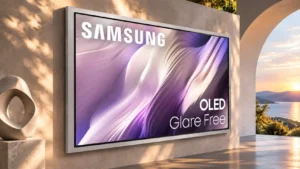
Voices are easy to follow, even in busy scenes, and adjustment tools can help keep speech above effects.
Pros: picture quality, overall satisfaction
Cons: design and appearance, Dolby Vision support

Voices are easy to follow, even in busy scenes, and adjustment tools can help keep speech above effects.
Pros: picture quality, overall satisfaction
Cons: design and appearance, Dolby Vision support
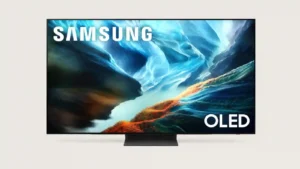
Dialogue stays clear and naturally placed in most scenes, with voice-enhancement processing available when room noise competes.
Pros: glare resistance, black levels
Cons: Dolby Vision support, color gamut
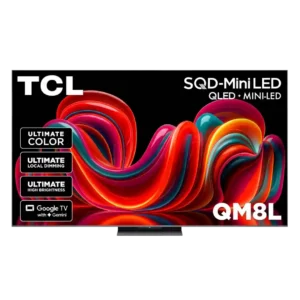
Dialogue remains clear, weighted, and easy to follow, avoiding the thin presentation common to many TV speakers.
Pros: picture quality, value for money
Cons: stand quality, judder handling
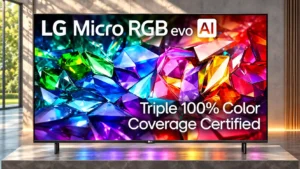
Speech remains clear and easy to follow at ordinary listening levels thanks to a fairly balanced sound signature.
Pros: peak brightness, picture quality
Cons: value for money, viewing angles
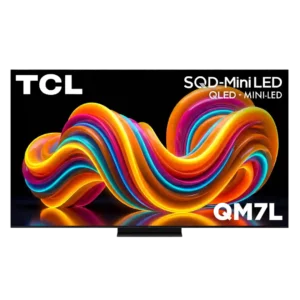
Dialogue remains clear and easy to follow without frequent volume adjustments.
Pros: peak brightness, picture quality
Cons: color accuracy, viewing angles
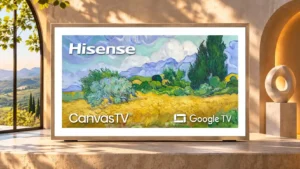
Spoken dialogue is consistently easy to follow even when the speakers lack low-end weight.
Pros: picture quality, color accuracy
Cons: HDR performance, sound quality
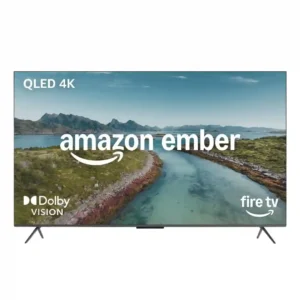
Dialogue is one of the audio system’s strongest areas. Reviews repeatedly describe voices as clear, smooth, or easy to understand, and the TV includes useful dialogue-enhancement controls.
Pros: picture quality, overall satisfaction
Cons: value for money, reliability
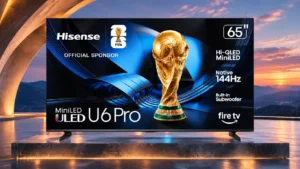
Speech is usually easy to follow, and the dialogue enhancer improves clarity; however, one lab found limited maximum loudness.
Pros: overall satisfaction, value for money
Cons: Smart TV platform, advertising intrusiveness
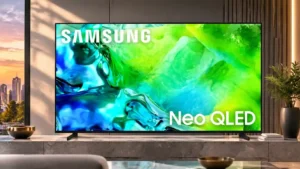
Voices are easy to understand through the built-in speakers, with extra AI and Amplify tools available for commentary and conversation.
Pros: picture quality, contrast ratio
Cons: blooming control, glare resistance
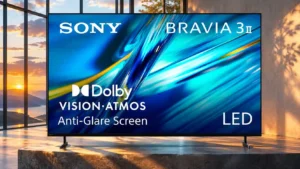
Voices remain intelligible through action sequences and at moderate TV volumes. This is a more consistent strength than music weight or bass impact.
Pros: HDMI 2.1 port count, overall satisfaction
Cons: HDR performance, bass performance
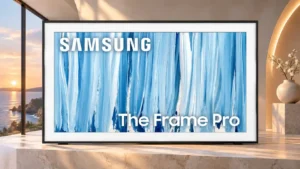
Speech stays clear at normal volume, and sound processing can raise voices above music or sports crowds.
Pros: cable management, design and appearance
Cons: value for money, Dolby Vision support
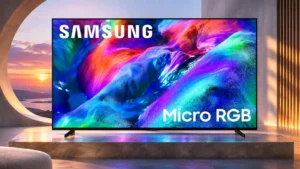
AI voice enhancements make speech easier to hear, even if opinions on the speakers' overall sound remain divided.
Pros: overall satisfaction, color gamut
Cons: value for money, local dimming performance

Dialogue is often clear and centered, though dense soundtracks and some presets can make voices less distinct.
Pros: peak brightness, blooming control
Cons: value for money, motion clarity
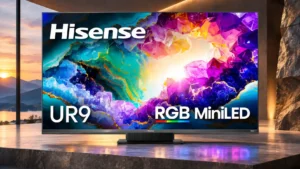
Dialogue stays intelligible and can be enhanced with speech settings, despite some complaints about missing lower-midrange body.
Pros: peak brightness, picture quality
Cons: value for money, color accuracy
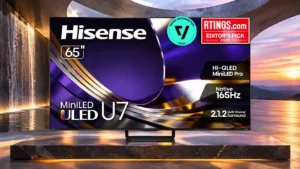
Speech is generally clear on the integrated speakers, but one comparison found voices harder to hear against effects and music.
Pros: overall satisfaction, glare resistance
Cons: motion handling, viewing angles
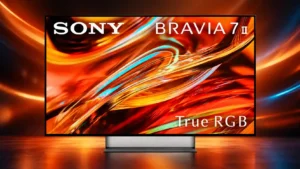
Speech is usually crisp and easy to follow, and Sony’s dialogue tools can help further. Some tests found male voices a little thick or the overall tonal balance less natural...
Pros: overall satisfaction, picture quality
Cons: HDMI 2.1 port count, reflection handling
Speech quality divides opinion. Some find clear, forward voices even in busy scenes; others notice uneven dialogue from the speakers' imbalanced sound.
Pros: picture quality, black levels
Cons: bass performance, HDR brightness
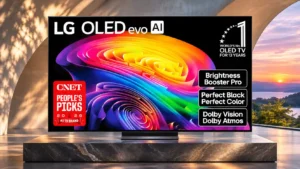
Voices sound crisp and intelligible in several listening tests, although a few found dialogue muted by the tonal balance.
Pros: gaming performance, HDR brightness
Cons: reflection handling, glare resistance

Speech is generally clear, natural, and separated from background effects, though the warmer tuning can make some male voices sound slightly bass-heavy.
Pros: picture quality, peak brightness
Cons: value for money, sound quality
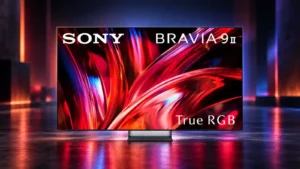
Dialogue is consistently clear and well positioned on screen, even with busy soundtracks. Some voices can sound a little harder than on Sony’s OLED models.
Pros: overall satisfaction, overall image accuracy
Cons: value for money, bass performance
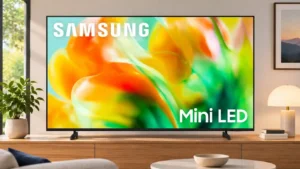
Speech is clear enough through the internal speakers, and AI Football Mode can bring commentary forward without harshly changing its sound.
Pros: gaming performance, color accuracy
Cons: value for money, overall satisfaction
AI Sound Pro keeps speech intelligible during action scenes, though one aggressive clarity mode made voices unnaturally loud and weakened the rest of the mix.
Pros: picture quality, gaming performance
Cons: value for money, sound quality
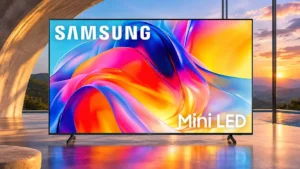
Voices are generally clear and intelligible, though sometimes boxy in tone.
Pros: sound quality, picture quality
Cons: value for money, local dimming performance
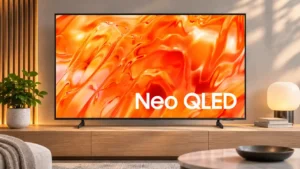
Speech remains understandable at moderate volume, and an AI-adjustable voice boost can help against background noise.
Pros: picture quality, overall satisfaction
Cons: sound quality, black levels
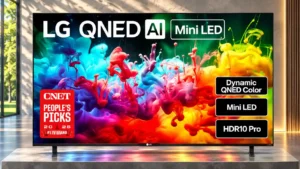
Speech is serviceable, with voice-enhancement options, but the speakers lack some treble definition.
Pros: picture quality, color accuracy
Cons: remote control quality, black levels
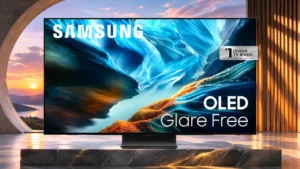
Speech is easy to follow through the built-in speakers, even if voices can sound slightly thin.
Pros: black levels, contrast ratio
Cons: Dolby Vision support, stutter handling
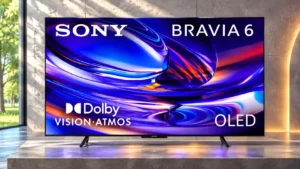
Voices are intelligible through the internal speakers. There is no sophisticated room-correction system to compensate for the acoustics of a particular space.
Pros: HDMI 2.1 port count, Video input versatility
Cons: value for money, overall satisfaction
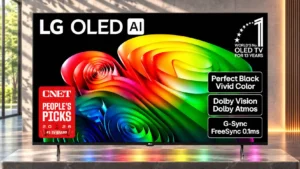
Speech is usually clear enough for daily television. Special speech modes can raise clarity further but sometimes damage tonal balance.
Pros: value for money, peak brightness
Cons: color accuracy, stand quality
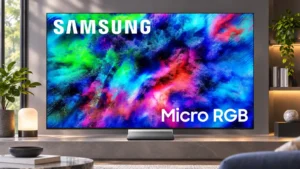
Speech is generally understandable, and voice-enhancement tools can help. Busy or bass-heavy scenes can still bury dialogue.
Pros: color volume, overall satisfaction
Cons: value for money, color accuracy
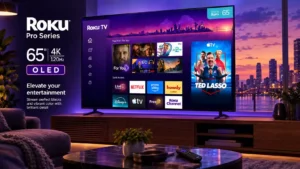
Dialogue enhancement and clear midrange sound work well for everyday television in one assessment. Another finds the speakers unclear, so speech quality is not universally praised.
Pros: contrast ratio, value for money
Cons: peak brightness, HDR brightness

Speech can sound clean and suitably full, although uneven speaker response sometimes makes dialogue less consistent.
Pros: picture quality, overall satisfaction
Cons: color crosstalk, value for money
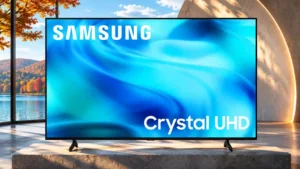
Speech is usually clear at normal room volume but turns muddy as the speakers approach their maximum output.
Pros: white balance accuracy, design and appearance
Cons: overall satisfaction, value for money
Speech can be clear during ordinary watching, but it can also sound uneven and patchy. A soundbar offers more consistent voices.
Pros: contrast ratio, black levels
Cons: reflection handling, color accuracy

Speech remains mostly intelligible and full enough for ordinary television, though softened consonants reduce crispness.
Pros: art display mode, design and appearance
Cons: overall satisfaction, HDMI port accessibility
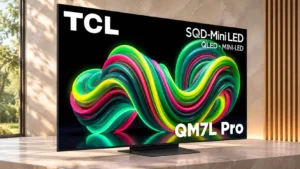
Speech sounds clear at modest listening levels but becomes hard to follow when the speakers are pushed to maximum volume.
Pros: picture quality, black levels
Cons: viewing angles, motion clarity
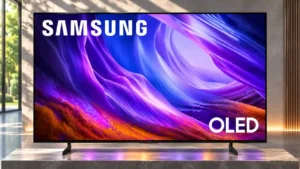
Speech is generally audible at moderate levels, but the sound can become muffled or compressed when the volume climbs.
Pros: black levels, picture quality
Cons: glare resistance, reflection handling

Speech can sound recessed or poorly detailed; the voice-enhancement mode improves intelligibility but may introduce a tinny sound.
Pros: art display mode, picture quality
Cons: contrast ratio, high-refresh-rate gaming
Voices can turn muffled in busy soundtracks, even when bass and volume settings are adjusted.
Pros: value for money, picture quality
Cons: account requirements, gaming performance