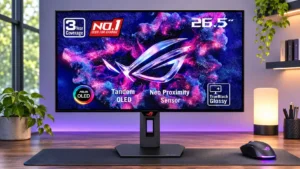
Overall: 4.4/5
Measured power use is improved over older WOLED panels, particularly for bright white content; gaming gains are more modest.
Pros: overall satisfaction, response time
Cons: reflection handling, VRR flicker

Overall: 4.4/5
Measured power use is improved over older WOLED panels, particularly for bright white content; gaming gains are more modest.
Pros: overall satisfaction, response time
Cons: reflection handling, VRR flicker
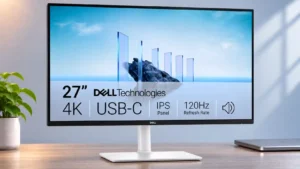
Overall: 4.2/5
Measured power consumption is favorably low for a 27-inch 4K 120Hz monitor, making it a fairly economical everyday display.
Pros: value for money, Resolution
Cons: port selection, competitive gaming suitability
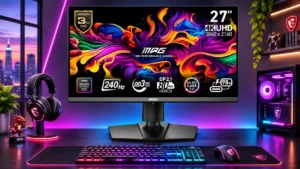
Overall: 4.2/5
A smaller panel and efficient QD-OLED design keep measured draw reasonable for the visual performance delivered.
Pros: HDR performance, DisplayPort connectivity
Cons: value for money, brightness
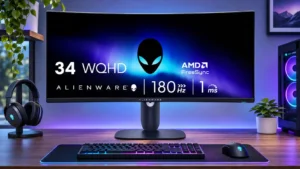
Overall: 3.7/5
Power use is comparatively modest for a large gaming LCD, particularly relative to OLED alternatives during gameplay.
Pros: ultrawide gaming experience, black levels
Cons: HDR performance, viewing angles
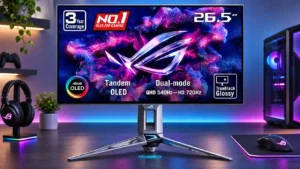
Overall: 4.3/5
Electricity use compares reasonably with other extreme-refresh OLEDs, though 280Hz Tandem models use less.
Pros: black levels, motion clarity
Cons: value for money, Dual-mode versatility
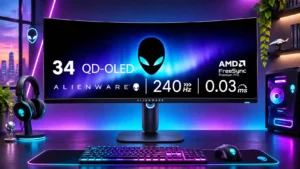
Overall: 4.2/5
Power draw is somewhat lower than the earlier Alienware generation despite the higher refresh rate.
Pros: refresh rate, HDR performance
Cons: reflection handling, Text fringing
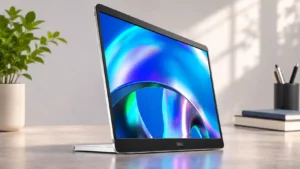
Overall: 3.9/5
Modest electrical draw makes it possible to operate from a laptop, though battery life is still affected.
Pros: brightness, portability and weight
Cons: value for money, port selection
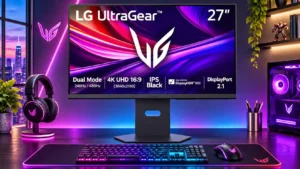
Overall: 3.6/5
Power draw is fairly reasonable for a bright, high-refresh IPS display and drops at lower rates. A comparable QD-OLED can use somewhat more energy under similar conditions.
Pros: refresh rate, Dual-mode versatility
Cons: motion clarity, black levels
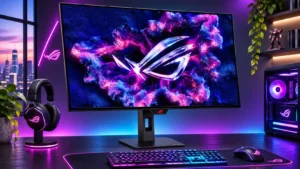
Overall: 4.2/5
One comparison found WOLED comparatively efficient at displaying white content, which benefits mixed desktop use.
Pros: overall satisfaction, black levels
Cons: reflection handling, Color brightness
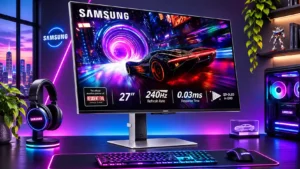
Overall: 4.2/5
Lower brightness settings can reduce eye strain and power bills, although efficiency is not the main appeal. High refresh and vivid OLED performance remain the priority.
Pros: reflection handling, color gamut
Cons: value for money, brightness
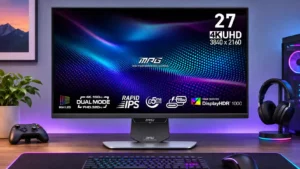
Overall: 4.0/5
Power usage is considered normal for a high-brightness Mini LED gaming screen rather than unusually low.
Pros: Dual-mode versatility, refresh rate
Cons: black levels, contrast
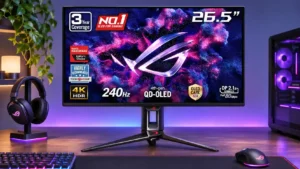
Overall: 4.4/5
OLED power consumption can exceed a comparable 4K LCD by a wide margin during bright full-screen content, despite modest use in mixed scenes.
Pros: sharpness, overall satisfaction
Cons: value for money, VRR flicker
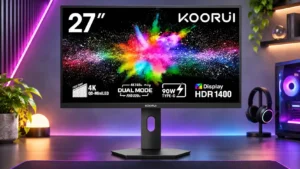
Overall: 4.2/5
Power draw can be high at maximum brightness while charging a laptop, although everyday brightness settings reduce consumption substantially.
Pros: HDR performance, overall satisfaction
Cons: HDR highlight detail, color accuracy
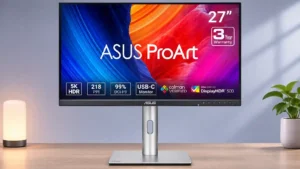
Overall: 4.1/5
One test found noticeably higher consumption than comparable 32-inch 4K screens, a drawback for efficiency-conscious use.
Pros: value for money, Resolution
Cons: HDR performance, refresh rate
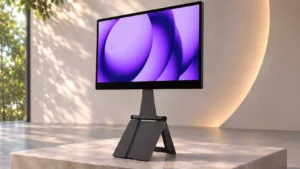
Overall: 4.3/5
Drawing monitor power from the host can markedly shorten a laptop’s untethered runtime, especially during prolonged work.
Pros: overall satisfaction, stand adjustability
Cons: value for money, reflection handling
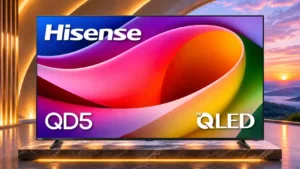
Overall: 3.9/5
Its substantial electricity use is an ongoing cost to consider alongside the attractive purchase price.
Pros: overall satisfaction, picture quality
Cons: Weight and handling, black levels

Overall: 4.0/5
The 98-inch screen carries a major running-cost premium, commonly using hundreds of watts while streaming.
Pros: picture quality, black levels
Cons: HDR brightness, value for money
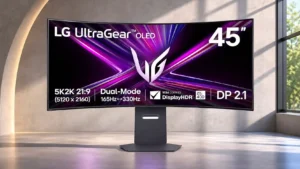
Overall: 4.1/5
Energy use is a noticeable drawback for such a large, bright OLED screen. Efficiency is not its selling point.
Pros: Resolution, overall satisfaction
Cons: value for money, GPU demands