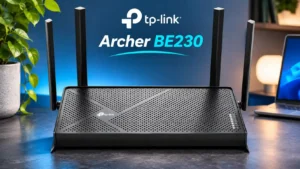
Overall: 4.1/5
Low power consumption is a strength, particularly compared with higher-performance routers that need more energy.
Pros: value for money, Wi-Fi speed
Cons: 6 GHz performance, subscription requirements

Overall: 4.1/5
Low power consumption is a strength, particularly compared with higher-performance routers that need more energy.
Pros: value for money, Wi-Fi speed
Cons: 6 GHz performance, subscription requirements
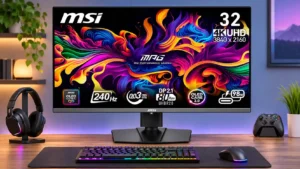
Overall: 4.0/5
The fanless OLED draws relatively little power in darker content and was praised for low minimum consumption.
Pros: overall satisfaction, DisplayPort connectivity
Cons: value for money, reliability over time
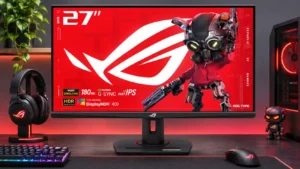
Overall: 3.8/5
Energy use is typical and reasonably efficient for a 27-inch IPS LCD without costly local dimming.
Pros: value for money, Resolution
Cons: HDR performance, port selection
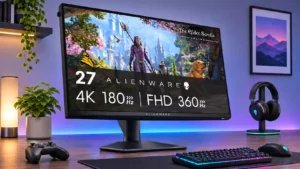
Overall: 3.9/5
Power draw is reasonably restrained for a bright 4K IPS screen, sitting between more and less efficient competing displays.
Pros: Resolution, refresh rate
Cons: HDR performance, contrast
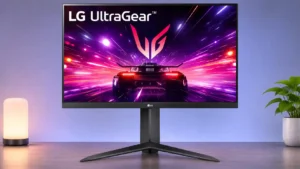
Overall: 3.3/5
An energy-saving function is a useful modest convenience for keeping everyday consumption in check.
Pros: adaptive sync performance, response time
Cons: HDR performance, console gaming compatibility
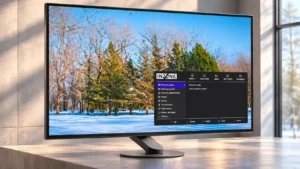
Overall: 4.2/5
Low-power settings offer a way to reduce energy use, although the startup configuration can be overly restrictive. Full performance requires appropriate adjustment.
Pros: refresh rate, overall satisfaction
Cons: value for money, port selection
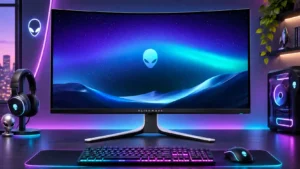
Overall: 3.6/5
A bright full-white desktop can draw considerably more power than an efficient IPS screen of similar size, although mixed scenes are less demanding.
Pros: overall satisfaction, brightness
Cons: Dolby Vision support, VRR flicker
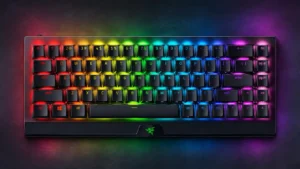
Overall: 3.8/5
RGB lighting is a major drain on the battery, substantially reducing runtime compared with dimmer or disabled lighting.
Pros: overall satisfaction, size and form factor
Cons: connectivity, build quality
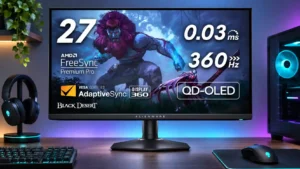
Overall: 4.2/5
Higher power draw than expected, including unusual standby use in one test, weakens the efficiency case compared with some conventional screens.
Pros: competitive gaming suitability, color gamut
Cons: brightness, HDMI 2.1 support
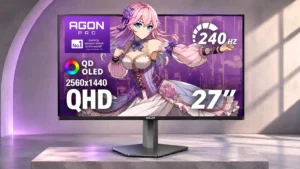
Overall: 4.0/5
Power draw drew some criticism relative to expectations, though high-refresh OLED performance is the intended tradeoff.
Pros: value for money, overall satisfaction
Cons: HDR performance, HDMI 2.1 support
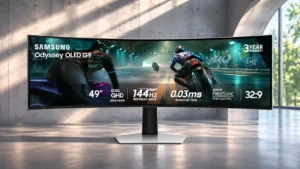
Overall: 3.7/5
Bright scenes can draw substantial power from the expansive OLED panel, adding a small running-cost consideration.
Pros: value for money, black levels
Cons: refresh rate, portability and weight