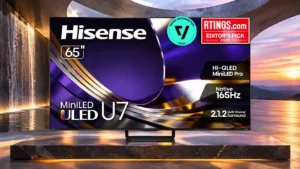
Overall: 4.2/5
As an LCD, the TV avoids permanent burn-in and several common panel risks, but the newest generation lacks long-term owner history.
Pros: overall satisfaction, glare resistance
Cons: motion handling, viewing angles

Overall: 4.2/5
As an LCD, the TV avoids permanent burn-in and several common panel risks, but the newest generation lacks long-term owner history.
Pros: overall satisfaction, glare resistance
Cons: motion handling, viewing angles
Overall: 4.3/5
Panel-design risk factors are favorable, with little expected burn-in concern, although that does not establish real-world longevity.
Pros: picture quality, black levels
Cons: bass performance, HDR brightness
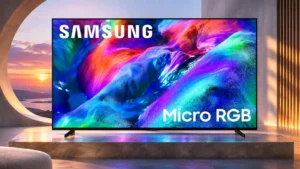
Overall: 3.8/5
A month of use showed no visible clouding or backlight bleeding, but this short experience cannot establish long-term durability.
Pros: overall satisfaction, color gamut
Cons: value for money, local dimming performance
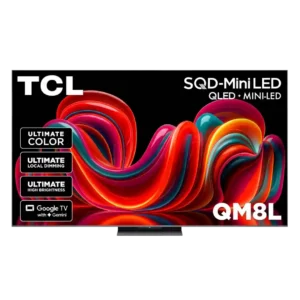
Overall: 4.4/5
Most long-term and first-impression testing was smooth and bug-free. One extended test found occasional brief wireless-audio dropouts, so accessory stability is not flawless.
Pros: picture quality, value for money
Cons: stand quality, judder handling
Overall: 3.8/5
The LCD design offers low predicted risks of common panel faults and avoids burn-in, although long-run failure resistance remains a projection.
Pros: picture quality, contrast ratio
Cons: blooming control, glare resistance
Overall: 3.4/5
The direct-lit LCD design avoids several common panel-degradation risks, although an LED failure could affect a large portion of the screen.
Pros: picture quality, color accuracy
Cons: remote control quality, black levels
Overall: 3.1/5
The direct-lit LCD is expected to resist burn-in and gradual dimming, although individual LED failures could affect a large backlight section.
Pros: gaming performance, color accuracy
Cons: value for money, overall satisfaction
Overall: 4.1/5
The panel design is judged at low risk for common degradation problems, while individual stuck pixels and failed LEDs remain possible over time.
Pros: picture quality, black levels
Cons: viewing angles, motion clarity
Overall: 4.0/5
Panel hardware looks relatively low risk over time, though a temporary PC gaming problem remains unresolved and long-term test results are pending.
Pros: peak brightness, picture quality
Cons: value for money, viewing angles
Overall: 4.1/5
Roku OS is described as reliable, but heavy daily use raises OLED longevity concerns. An LCD is favored for users keeping the screen on for many hours.
Pros: contrast ratio, value for money
Cons: peak brightness, HDR brightness
Overall: 3.1/5
The LCD construction avoids several typical panel-aging risks, though backlight LED failure could affect a sizable portion of the screen.
Pros: design and appearance, maximum volume
Cons: picture quality, value for money
Overall: 2.7/5
Direct-lit construction has a relatively low predicted risk of most panel failures, though a single LED failure can affect a substantial backlight area.
Pros: white balance accuracy, design and appearance
Cons: overall satisfaction, value for money
Overall: 3.8/5
Direct-lit LCD hardware carries a low projected burn-in risk and resists some aging-related panel problems. A single backlight failure could affect a large screen area.
Pros: HDMI 2.1 port count, overall satisfaction
Cons: HDR performance, bass performance
Overall: 4.4/5
The hardware is widely regarded as excellent, but launch firmware varied across units and introduced inconsistent HDR, Dolby Vision, and processing behavior. Later updates fixed many of those problems.
Pros: picture quality, peak brightness
Cons: value for money, sound quality
Overall: 4.1/5
An early test unit suffered significant software faults and both initial units needed a reset, raising questions about consistency.
Pros: peak brightness, picture quality
Cons: value for money, color accuracy
Overall: 4.0/5
The panel has relatively low risk of many common failures, but static imagery can burn in and edge-pixel issues may appear with age.
Pros: contrast ratio, black levels
Cons: reflection handling, color accuracy
Overall: 4.1/5
Most panel failure risks are modest, but static-image burn-in and eventual edge pixel defects remain considerations.
Pros: gaming performance, HDR brightness
Cons: reflection handling, glare resistance
Overall: 4.1/5
The broad panel-risk outlook is relatively reassuring, with important caveats for static content and eventual edge-pixel wear.
Pros: black levels, contrast ratio
Cons: Dolby Vision support, stutter handling
Overall: 4.0/5
Most panel problems are not expected to occur quickly, but potential burn-in and eventual edge-pixel defects deserve consideration.
Pros: black levels, picture quality
Cons: glare resistance, reflection handling
Overall: 3.8/5
Panel risk factors appear favorable in theory, yet an actual dead-zone failure and changing image output raise legitimate concerns.
Pros: picture quality, overall satisfaction
Cons: color crosstalk, value for money
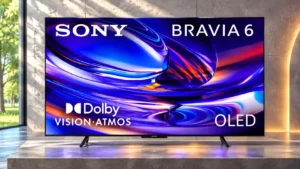
Overall: 3.8/5
Panel longevity looks reasonable with varied content, but static graphics pose burn-in risk. Operational freezes in one review introduce a separate concern about day-to-day dependability.
Pros: HDMI 2.1 port count, Video input versatility
Cons: value for money, overall satisfaction
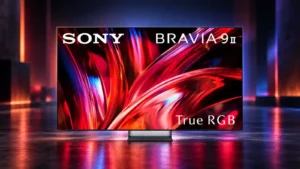
Overall: 4.3/5
A handful of software and connection problems—including HDMI handshakes, eARC and Dolby Vision issues—raise some reliability concerns despite updates resolving at least one problem.
Pros: overall satisfaction, overall image accuracy
Cons: value for money, bass performance
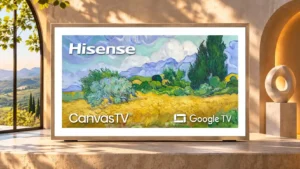
Overall: 3.8/5
The edge-lit backlight architecture raises concern about failure and unevenness over time, though burn-in risk is low.
Pros: picture quality, color accuracy
Cons: HDR performance, sound quality
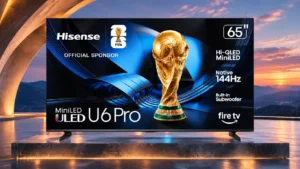
Overall: 4.1/5
A 75-inch owner reported recurring uniformity, audio-leveling, and playback problems on both the original and replacement units.
Pros: overall satisfaction, value for money
Cons: Smart TV platform, advertising intrusiveness
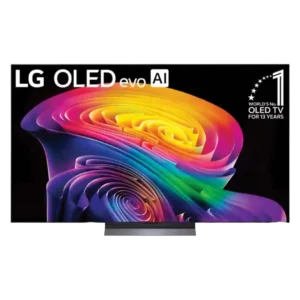
Overall: 4.1/5
Long-term reliability is not established, and one retail sample showed a green edge glow. Early software and gaming bugs also suggest some launch-period quality risk.
Pros: picture quality, gaming performance
Cons: value for money, sound quality
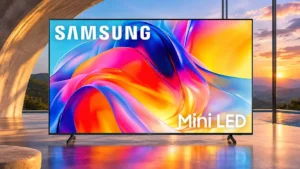
Overall: 2.6/5
Permanent burn-in risk is low, but a failed backlight LED may affect a sizable part of the image rather than a small zone.
Pros: sound quality, picture quality
Cons: value for money, local dimming performance
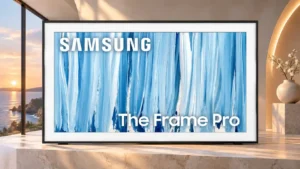
Overall: 3.8/5
Solid initial build quality contrasts with concerns that tightly packed edge-lit backlights may fail or develop uniformity issues over time.
Pros: cable management, design and appearance
Cons: value for money, Dolby Vision support
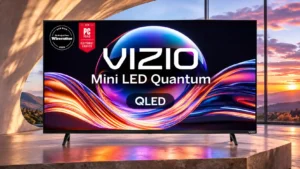
Overall: 2.9/5
The LCD panel has low estimated risk for several common failures, but random software reboots undermine day-to-day dependability.
Pros: value for money, picture quality
Cons: account requirements, gaming performance
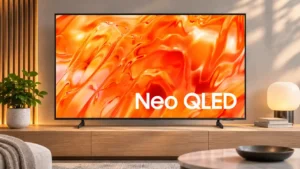
Overall: 3.1/5
Edge-lit components pose long-term backlight concerns, while a cited early failure and owners' unexpected power-on events add caution.
Pros: picture quality, overall satisfaction
Cons: sound quality, black levels
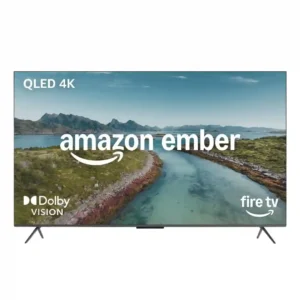
Overall: 3.3/5
Reliability is the most serious customer concern. Numerous owners report crashes, freezes, black screens, reboot loops, or failures within months, even though some units remain rock-solid.
Pros: picture quality, overall satisfaction
Cons: value for money, reliability
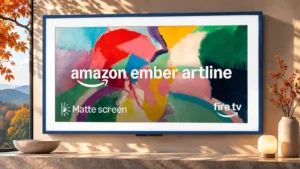
Overall: 3.4/5
Panel construction raises concerns about future backlight and uniformity failures, and one owner encountered persistent horizontal lines on two units.
Pros: art display mode, picture quality
Cons: contrast ratio, high-refresh-rate gaming

Overall: 3.5/5
The edge-lit backlight construction is vulnerable to concentrated heat and potential optical-layer or LED failures. Its lack of burn-in risk is the main durability bright spot.
Pros: art display mode, design and appearance
Cons: overall satisfaction, HDMI port accessibility