Best for reliability
LG B6
5.0 attribute score
Highest scored product for this attribute based on supporting review evidence.

Highest scored product for this attribute based on supporting review evidence.
Balances the attribute score, supporting reviews, and overall product strength.
Has the broadest review evidence for this attribute.
Strongest overall product among items with scored evidence for this attribute.
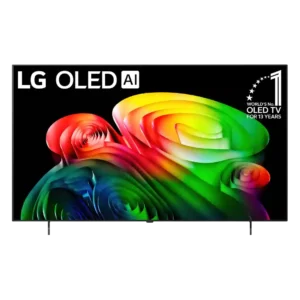
webOS reliability is excellent, with no bugs encountered during extended testing.
Pros: picture quality, value for money
Cons: stand quality, daytime viewing performance

Most long-term and first-impression testing was smooth and bug-free. One extended test found occasional brief wireless-audio dropouts, so accessory stability is not flawless.
Pros: picture quality, value for money
Cons: stand quality, judder handling
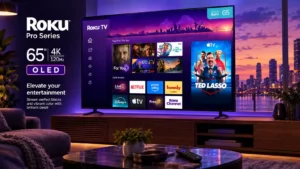
Roku OS is described as reliable, but heavy daily use raises OLED longevity concerns. An LCD is favored for users keeping the screen on for many hours.
Pros: contrast ratio, value for money
Cons: peak brightness, HDR brightness

The hardware is widely regarded as excellent, but launch firmware varied across units and introduced inconsistent HDR, Dolby Vision, and processing behavior. Later updates fixed many of those problems.
Pros: picture quality, peak brightness
Cons: value for money, sound quality
A frustrating HDMI/HDR hardware hiccup required a power cycle, introducing a small but real reliability concern despite otherwise normal operation.
Pros: gaming performance, peak brightness
Cons: HDMI 2.1 support, HDMI 2.1 port count

Reliability is the biggest customer concern. Many sets run flawlessly for months, but a meaningful number of owners report early screen, backlight, HDMI, power, or glitch failures.
Pros: overall satisfaction, picture quality
Cons: reliability, portability and versatility
A handful of software and connection problems—including HDMI handshakes, eARC and Dolby Vision issues—raise some reliability concerns despite updates resolving at least one problem.
Pros: overall satisfaction, overall image accuracy
Cons: value for money, bass performance
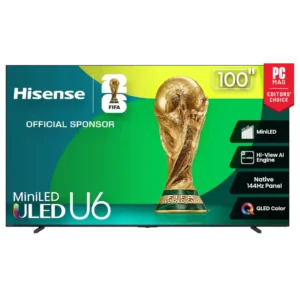
A single dead-pixel report raises a quality-control caution, but there is not enough repeated durability discussion to establish a broader reliability pattern.
Pros: overall satisfaction, value for money
Cons: smart TV platform, blooming control
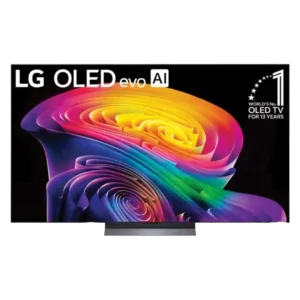
Long-term reliability is not established, and one retail sample showed a green edge glow. Early software and gaming bugs also suggest some launch-period quality risk.
Pros: picture quality, gaming performance
Cons: value for money, sound quality
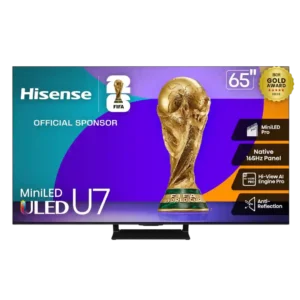
Reliability is the clearest customer concern, with repeated reports of dead pixels, failed boards, lines, freezing, power issues, and connectivity faults.
Pros: overall satisfaction, picture quality
Cons: reliability, build quality
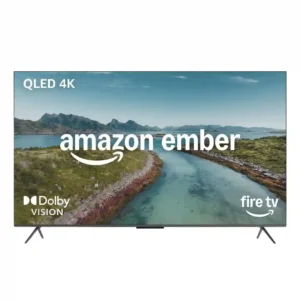
Reliability is the most serious customer concern. Numerous owners report crashes, freezes, black screens, reboot loops, or failures within months, even though some units remain rock-solid.
Pros: picture quality, overall satisfaction
Cons: value for money, reliability
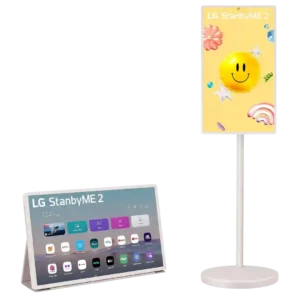
Reliability feedback is sharply negative among the reviews that mention failures. Reported problems include charging failures, dead-on-arrival units, and defective touchscreens, sometimes across replacement units.
Pros: overall satisfaction, portability and versatility
Cons: value for money, menu responsiveness