
Overall: 4.4/5
All four HDMI ports support modern high-bandwidth gaming, avoiding the two-port limitation found on many rivals.
Pros: picture quality, peak brightness
Cons: value for money, sound quality

Overall: 4.4/5
All four HDMI ports support modern high-bandwidth gaming, avoiding the two-port limitation found on many rivals.
Pros: picture quality, peak brightness
Cons: value for money, sound quality

Overall: 4.1/5
Four full-speed HDMI 2.1 inputs are a welcome advantage for homes with multiple consoles and gaming PCs.
Pros: gaming performance, HDR brightness
Cons: reflection handling, glare resistance
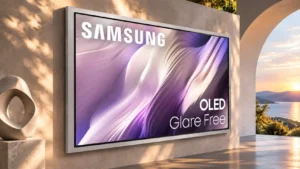
Overall: 4.2/5
Four high-bandwidth ports are built in, and the optional Wireless One Connect box can provide four more. That expansion has an added cost.
Pros: picture quality, overall satisfaction
Cons: design and appearance, Dolby Vision support

Overall: 4.1/5
All four HDMI inputs support the full gaming feature set, a major advantage for households with multiple consoles and a soundbar.
Pros: picture quality, gaming performance
Cons: value for money, sound quality
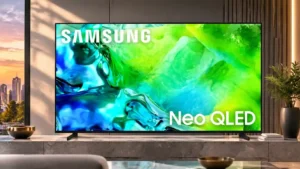
Overall: 3.8/5
Four full-bandwidth HDMI inputs on supported sizes make it easy to connect several modern consoles and a gaming PC without swapping cables.
Pros: picture quality, contrast ratio
Cons: blooming control, glare resistance
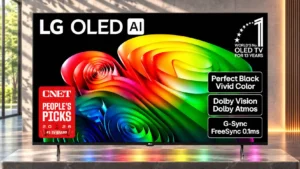
Overall: 3.8/5
Four full-speed HDMI 2.1 inputs are unusually generous at this price and allow multiple modern consoles or other devices.
Pros: value for money, peak brightness
Cons: color accuracy, stand quality

Overall: 3.8/5
Four full-featured HDMI 2.1 ports remove a common flagship-TV compromise, making it easy to connect several high-end gaming devices.
Pros: picture quality, overall satisfaction
Cons: color crosstalk, value for money
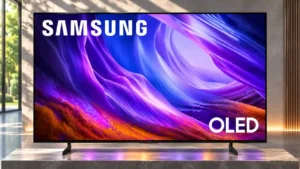
Overall: 4.0/5
All four HDMI ports offer full gaming bandwidth, making the S85H practical for households with several consoles or a gaming PC.
Pros: black levels, picture quality
Cons: glare resistance, reflection handling
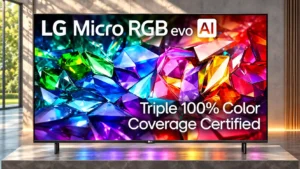
Overall: 4.0/5
Four full-bandwidth HDMI 2.1 connections make it practical to leave several consoles and a gaming PC connected simultaneously.
Pros: peak brightness, picture quality
Cons: value for money, viewing angles
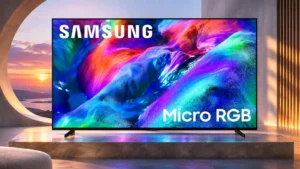
Overall: 3.8/5
Four full-capability HDMI 2.1 connections are particularly useful for households juggling consoles, PCs and external audio.
Pros: overall satisfaction, color gamut
Cons: value for money, local dimming performance
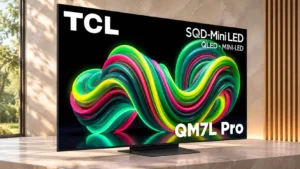
Overall: 4.1/5
Four full-bandwidth HDMI 2.1 inputs are a practical upgrade over the standard QM7L for several consoles or other demanding sources.
Pros: picture quality, black levels
Cons: viewing angles, motion clarity
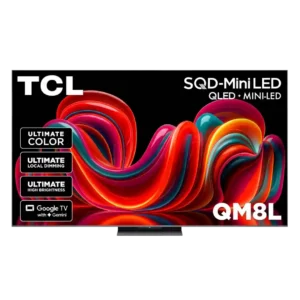
Overall: 4.4/5
Having four full-bandwidth HDMI 2.1 inputs removes the usual need to choose which devices receive premium gaming features.
Pros: picture quality, value for money
Cons: stand quality, judder handling
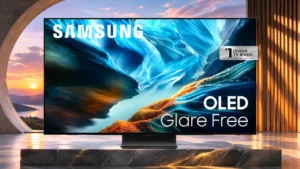
Overall: 4.1/5
Four full-bandwidth HDMI 2.1 inputs leave enough connections for multiple current-generation consoles and a gaming PC.
Pros: black levels, contrast ratio
Cons: Dolby Vision support, stutter handling
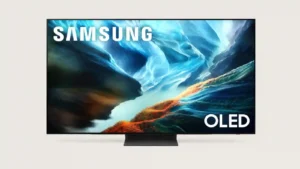
Overall: 4.5/5
All four HDMI ports are full-bandwidth HDMI 2.1, a strong advantage for multi-device gaming setups.
Pros: glare resistance, black levels
Cons: Dolby Vision support, color gamut

Overall: 3.5/5
All four HDMI sockets are full-bandwidth HDMI 2.1, which is particularly useful for households with more than one modern console or gaming PC.
Pros: art display mode, design and appearance
Cons: overall satisfaction, HDMI port accessibility
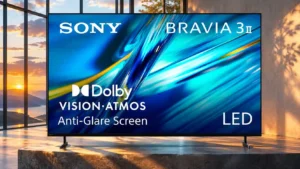
Overall: 3.8/5
Four full-bandwidth HDMI 2.1 inputs stand out even against pricier Sony models. They make multiple modern consoles and a gaming PC much easier to keep connected.
Pros: HDMI 2.1 port count, overall satisfaction
Cons: HDR performance, bass performance
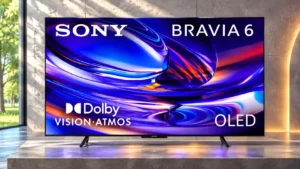
Overall: 3.8/5
Four full-bandwidth HDMI 2.1 connections are the clearest hardware advantage. Consoles, PCs, and other high-rate devices can stay connected without choosing which inputs get the best features.
Pros: HDMI 2.1 port count, Video input versatility
Cons: value for money, overall satisfaction
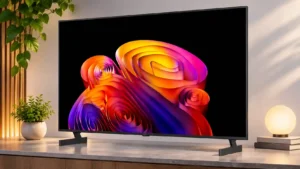
Overall: 4.0/5
Four HDMI 2.1 inputs are unusually generous for a budget-oriented OLED and make it easy to connect multiple modern systems.
Pros: contrast ratio, black levels
Cons: reflection handling, color accuracy
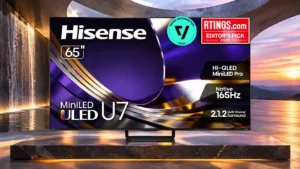
Overall: 4.2/5
Four full-bandwidth HDMI inputs on the common sizes provide unusual flexibility for consoles, PCs and soundbars; the biggest model is an exception.
Pros: overall satisfaction, glare resistance
Cons: motion handling, viewing angles
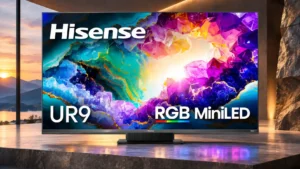
Overall: 4.1/5
Three full-bandwidth HDMI inputs are more than many rivals offer, but fewer than some competing TVs and only two remain for sources when eARC is used.
Pros: peak brightness, picture quality
Cons: value for money, color accuracy
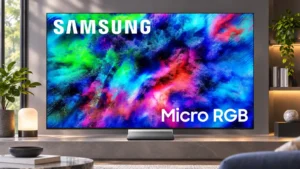
Overall: 3.7/5
All four built-in HDMI ports are high-bandwidth inputs, a practical advantage for households with several consoles and PCs.
Pros: color volume, overall satisfaction
Cons: value for money, color accuracy

Overall: 4.0/5
Four full-bandwidth high-speed inputs avoid the usual two-port compromise on many premium TVs.
Pros: peak brightness, blooming control
Cons: value for money, motion clarity
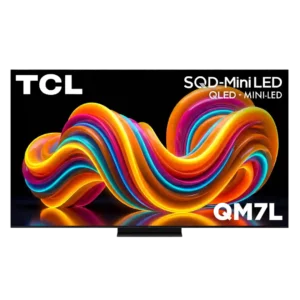
Overall: 3.9/5
Most configurations are described as having two full-bandwidth gaming ports plus separate eARC, which is sufficient for many setups. Conflicting port descriptions make the exact high-bandwidth count worth confirming.
Pros: peak brightness, picture quality
Cons: color accuracy, viewing angles
Overall: 3.1/5
All three HDMI ports accept high-bandwidth gaming signals, but three total inputs can feel restrictive once eARC is occupied.
Pros: gaming performance, color accuracy
Cons: value for money, overall satisfaction

Overall: 4.1/5
Two high-bandwidth HDMI 2.1 inputs provide useful flexibility for connecting modern gaming devices.
Pros: value for money, overall satisfaction
Cons: HDR brightness
Overall: 4.1/5
The four HDMI 2.1-labeled connections sound generous, but detailed testing reports only two full-rate 4K120 inputs. That distinction limits flexibility for multiple gaming devices.
Pros: contrast ratio, value for money
Cons: peak brightness, HDR brightness

Overall: 3.8/5
Only two of four HDMI inputs handle high-bandwidth HDMI 2.1; the other two top out at 4K 60Hz.
Pros: picture quality, color accuracy
Cons: HDR performance, sound quality
Overall: 4.3/5
Only two of the four HDMI inputs support full high-refresh gaming bandwidth, although eARC is placed elsewhere so those inputs remain available.
Pros: picture quality, black levels
Cons: bass performance, HDR brightness

Overall: 4.1/5
Only two of the four HDMI sockets handle full high-refresh gaming, which is manageable for most but restrictive for multiple advanced sources.
Pros: overall satisfaction, value for money
Cons: Smart TV platform, advertising intrusiveness
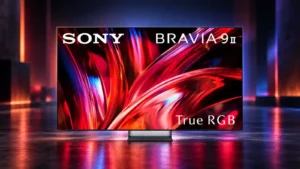
Overall: 4.3/5
Only two HDMI 2.1 ports is a recurring frustration, especially because one also serves as eARC and can leave multi-console setups short on bandwidth.
Pros: overall satisfaction, overall image accuracy
Cons: value for money, bass performance
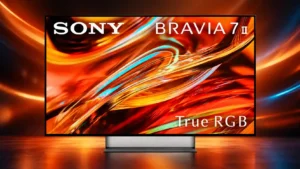
Overall: 4.2/5
Only two of the four HDMI inputs are full-bandwidth HDMI 2.1, and one doubles as eARC. This is the most repeated hardware complaint, especially for multi-console setups.
Pros: overall satisfaction, picture quality
Cons: HDMI 2.1 port count, reflection handling

Overall: 3.3/5
Only one HDMI 2.1 port is a repeated criticism, especially because it also handles eARC. That leaves little flexibility for multiple modern consoles and a soundbar.
Pros: picture quality, overall satisfaction
Cons: value for money, reliability
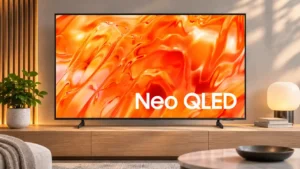
Overall: 3.1/5
None of the HDMI ports offers full HDMI 2.1 bandwidth, limiting connections to high-refresh 4K sources.
Pros: picture quality, overall satisfaction
Cons: sound quality, black levels