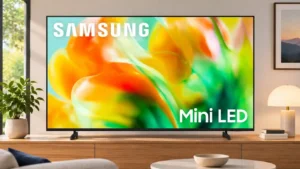
Modern console signals including 4K/120Hz work well on its high-bandwidth HDMI inputs.
Pros: gaming performance, color accuracy
Cons: value for money, overall satisfaction

Modern console signals including 4K/120Hz work well on its high-bandwidth HDMI inputs.
Pros: gaming performance, color accuracy
Cons: value for money, overall satisfaction
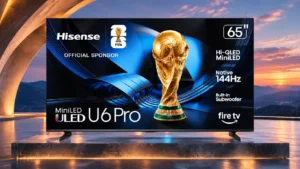
PlayStation 5 and Xbox Series X|S compatibility is broad, with 4K/120Hz and VRR available for supported games.
Pros: overall satisfaction, value for money
Cons: Smart TV platform, advertising intrusiveness
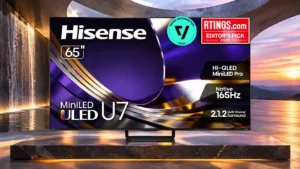
PS5 and Xbox consoles can use 4K at 120Hz without giving up their usual VRR options.
Pros: overall satisfaction, glare resistance
Cons: motion handling, viewing angles
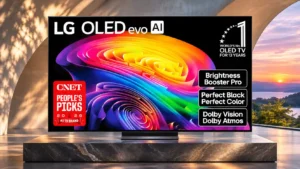
Both major current-generation consoles can output full 4K at 120Hz without sacrificing core gaming features.
Pros: gaming performance, HDR brightness
Cons: reflection handling, glare resistance
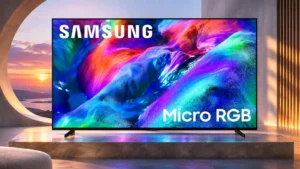
PS5 and Xbox 4K/120Hz output is fully supported, giving console owners modern gaming compatibility without compromises in signal format.
Pros: overall satisfaction, color gamut
Cons: value for money, local dimming performance
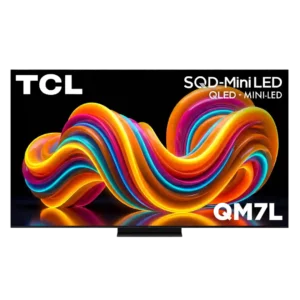
4K/120Hz gaming combines low measured lag with Dolby Vision support on compatible consoles.
Pros: peak brightness, picture quality
Cons: color accuracy, viewing angles
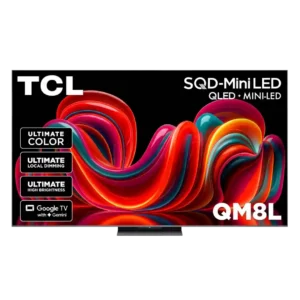
Current consoles can run compatible games at 4K/120Hz smoothly, with low latency and strong HDR presentation.
Pros: picture quality, value for money
Cons: stand quality, judder handling
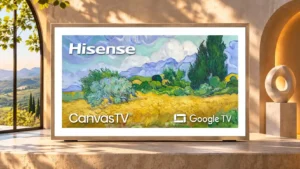
4K 120Hz input works with supported modern consoles, making the screen versatile on paper despite its blurry pixel response.
Pros: picture quality, color accuracy
Cons: HDR performance, sound quality
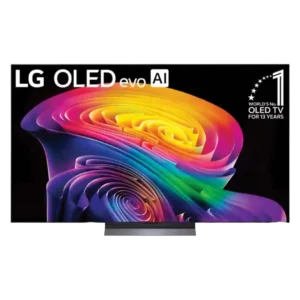
All major current consoles can run at their 4K/120 ceiling through the C6’s fully capable gaming ports.
Pros: picture quality, gaming performance
Cons: value for money, sound quality
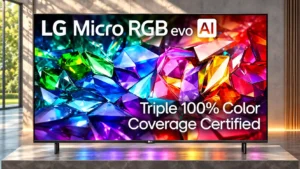
Current PlayStation and Xbox consoles can run their demanding 4K/120 modes without compatibility hassles, making the HDMI feature set a genuine strength.
Pros: peak brightness, picture quality
Cons: value for money, viewing angles
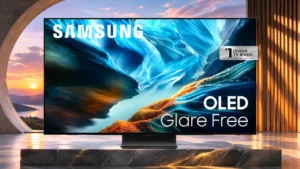
The 77-inch set accommodates demanding current-generation console signals, making fast 4K play a genuine strength.
Pros: black levels, contrast ratio
Cons: Dolby Vision support, stutter handling

Modern console owners can play at 4K/120Hz with compatible games. The refresh support is more impressive than the screen's fast-motion clarity.
Pros: art display mode, design and appearance
Cons: overall satisfaction, HDMI port accessibility
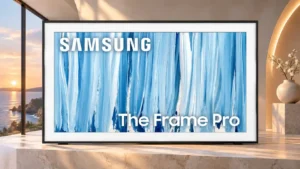
Both major current consoles can supply 4K at 120 Hz, although motion clarity and wireless input delay remain important limitations.
Pros: cable management, design and appearance
Cons: value for money, Dolby Vision support
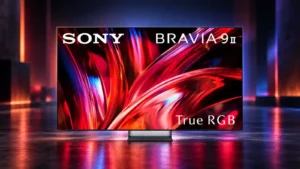
4K/120Hz works well for current-generation console gaming, especially alongside VRR and ALLM.
Pros: overall satisfaction, overall image accuracy
Cons: value for money, bass performance
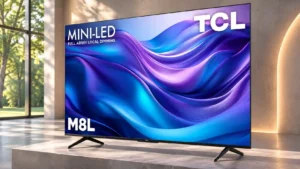
Full compatibility with current PlayStation 4K/120Hz modes makes the TV well equipped for newer console signals.
Pros: value for money, overall satisfaction
Cons: HDR brightness
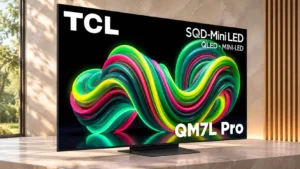
The television handles the 4K/120Hz output offered by current PlayStation and Xbox consoles, making it an easy match for their higher-frame-rate modes.
Pros: picture quality, black levels
Cons: viewing angles, motion clarity
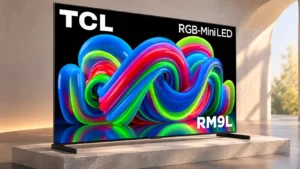
PlayStation 5 and Xbox Series consoles can use their full 4K/120Hz output with responsive motion and VRR support.
Pros: picture quality, overall satisfaction
Cons: color crosstalk, value for money
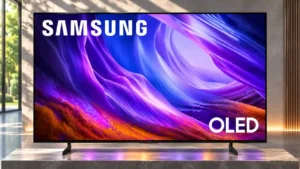
Current-generation consoles can run at 4K and 120Hz with VRR support. Enthusiast PC gamers may miss a higher 144Hz or 165Hz ceiling.
Pros: black levels, picture quality
Cons: glare resistance, reflection handling
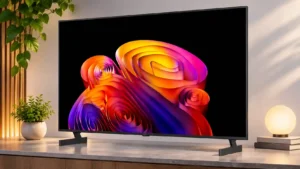
4K/120Hz gaming is a clear highlight, with strong compatibility across modern consoles and the responsive motion OLED is known for.
Pros: contrast ratio, black levels
Cons: reflection handling, color accuracy
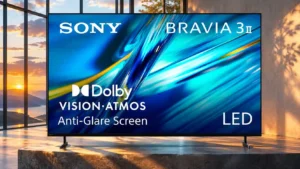
Native 4K/120Hz support gives modern consoles smooth, responsive play on any of the four HDMI inputs. There is no higher-than-120Hz option for demanding PC players.
Pros: HDMI 2.1 port count, overall satisfaction
Cons: HDR performance, bass performance
Console gaming is exceptionally well covered at 4K/120Hz, including Dolby Vision on compatible systems. Image fidelity is generally strongest at 120Hz rather than pushing the optional 165Hz mode.
Pros: picture quality, peak brightness
Cons: value for money, sound quality
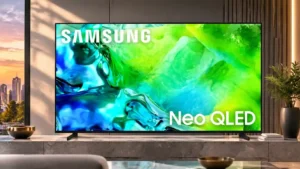
PlayStation 5 and modern Xbox gaming at 4K/120Hz works well on capable sizes, with the 50-inch version carrying important refresh-rate limitations.
Pros: picture quality, contrast ratio
Cons: blooming control, glare resistance
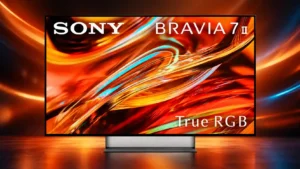
4K/120Hz works well for current consoles and is repeatedly praised as enough for PS5 and Xbox gaming. The limitation is that only two HDMI inputs can carry the full signal.
Pros: overall satisfaction, picture quality
Cons: HDMI 2.1 port count, reflection handling
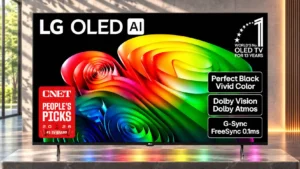
Native 4K/120Hz gaming is a major strength for consoles, though the step-up C6 offers an even higher PC refresh ceiling.
Pros: value for money, peak brightness
Cons: color accuracy, stand quality
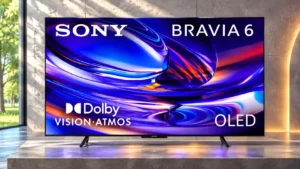
Current consoles and compatible PCs can play at 4K/120Hz on every HDMI input. Native 1440p signals are not supported, so some alternate output setups are more restrictive.
Pros: HDMI 2.1 port count, Video input versatility
Cons: value for money, overall satisfaction
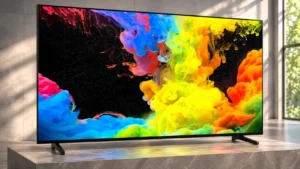
Full 4K 120Hz compatibility with current consoles is a major strength, even though the panel's slow transitions can blur fast action.
Pros: picture quality, black levels
Cons: bass performance, HDR brightness
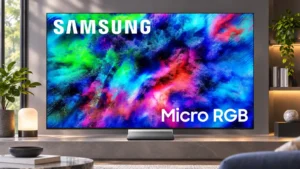
Modern consoles can use 4K at 120Hz alongside low-latency and VRR modes, making the R95H well equipped for current-generation gaming.
Pros: color volume, overall satisfaction
Cons: value for money, color accuracy
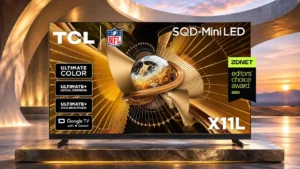
4K/120Hz consoles are well served, with smooth signals and strong HDR, though some demanding games show motion smearing.
Pros: peak brightness, blooming control
Cons: value for money, motion clarity
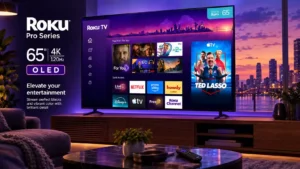
120Hz console play is smooth and well suited to this OLED. Port labeling causes confusion, and not every HDMI connection is reported to support 4K at the full refresh rate.
Pros: contrast ratio, value for money
Cons: peak brightness, HDR brightness
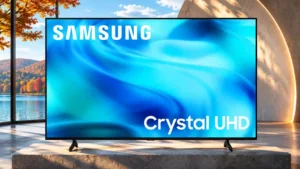
True 4K/120Hz is unavailable. Some larger variants simulate or offer 1080p/120Hz play, trading sharpness for speed.
Pros: white balance accuracy, design and appearance
Cons: overall satisfaction, value for money
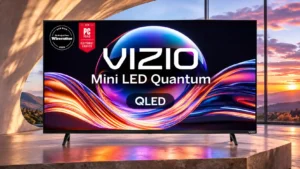
True 4K at 120Hz is not available. Most models can run 120Hz only at 1080p; the 55-inch version is an exception without that faster mode.
Pros: value for money, picture quality
Cons: account requirements, gaming performance
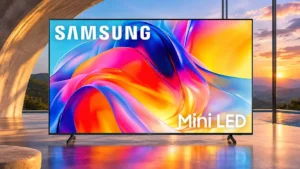
The M70H cannot display native 4K at 120Hz. Its 60Hz panel misses the high-frame-rate modes offered by modern consoles.
Pros: sound quality, picture quality
Cons: value for money, local dimming performance
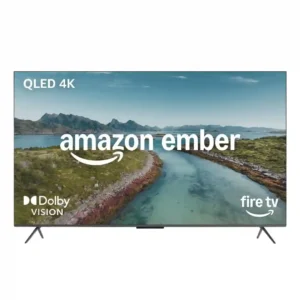
4K/120 gaming is unavailable, and several reviewers treat that as a decisive limitation. Buyers wanting next-generation high-frame-rate console output should look elsewhere.
Pros: picture quality, overall satisfaction
Cons: value for money, reliability
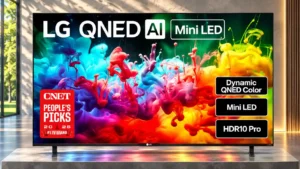
This TV cannot display native 4K at 120Hz, which limits premium console and PC gaming.
Pros: picture quality, color accuracy
Cons: remote control quality, black levels
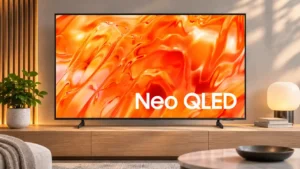
The QN70H cannot run 4K at 120Hz; even newer consoles are limited to 4K/60Hz, with 1080p/120Hz available only on some larger sizes.
Pros: picture quality, overall satisfaction
Cons: sound quality, black levels
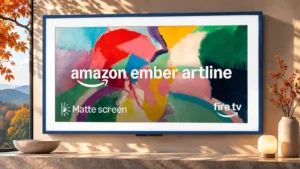
The panel cannot display 4K at 120 Hz, so newer consoles cannot reach their high-frame-rate modes.
Pros: art display mode, picture quality
Cons: contrast ratio, high-refresh-rate gaming
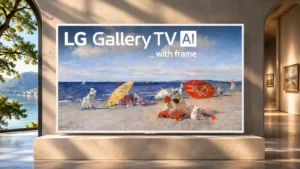
The TV is restricted to 4K at 60Hz, preventing current-generation consoles from offering their 4K/120Hz experience.
Pros: design and appearance, maximum volume
Cons: picture quality, value for money