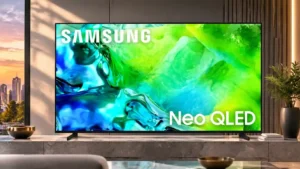
Overall: 3.8/5
Its LCD-based Mini LED display avoids permanent OLED-style burn-in, reassuring households that leave logos or game interfaces on-screen.
Pros: picture quality, contrast ratio
Cons: blooming control, glare resistance

Overall: 3.8/5
Its LCD-based Mini LED display avoids permanent OLED-style burn-in, reassuring households that leave logos or game interfaces on-screen.
Pros: picture quality, contrast ratio
Cons: blooming control, glare resistance
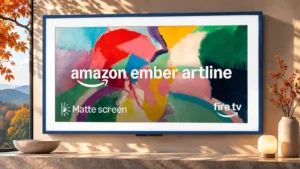
Overall: 3.4/5
The LED panel avoids the permanent image retention concerns that can come with displaying static artwork for long periods.
Pros: art display mode, picture quality
Cons: contrast ratio, high-refresh-rate gaming
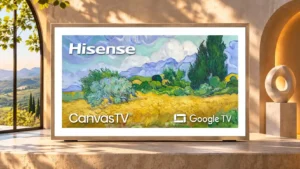
Overall: 3.8/5
Permanent burn-in is considered very unlikely, which is reassuring for extended art displays and static on-screen elements.
Pros: picture quality, color accuracy
Cons: HDR performance, sound quality
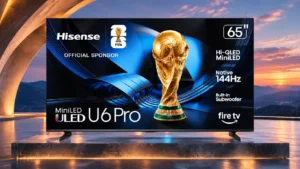
Overall: 4.1/5
The LCD backlight avoids permanent OLED-style burn-in, a reassurance for static interfaces and longer gaming sessions.
Pros: overall satisfaction, value for money
Cons: Smart TV platform, advertising intrusiveness
Overall: 4.2/5
The LCD panel is effectively immune to permanent OLED-style image burn-in, a useful advantage for long-term static-content use.
Pros: overall satisfaction, glare resistance
Cons: motion handling, viewing angles
Overall: 4.1/5
Its LCD backlight avoids permanent OLED-style burn-in, making persistent static images less of a worry.
Pros: peak brightness, picture quality
Cons: value for money, color accuracy
Overall: 3.4/5
The direct-lit LCD panel has very low expected permanent burn-in risk even with static on-screen elements.
Pros: picture quality, color accuracy
Cons: remote control quality, black levels
Overall: 2.6/5
The LCD panel is expected to resist permanent image retention, making static on-screen elements relatively low risk.
Pros: sound quality, picture quality
Cons: value for money, local dimming performance
Overall: 3.1/5
Its direct-lit LCD design has a very low expected risk of permanent image retention from static game HUDs or desktop elements.
Pros: gaming performance, color accuracy
Cons: value for money, overall satisfaction
Overall: 3.1/5
Permanent burn-in is considered extremely unlikely, making static menus and channel graphics less worrisome than on OLED.
Pros: picture quality, overall satisfaction
Cons: sound quality, black levels
Overall: 3.7/5
The LCD-based panel avoids permanent OLED burn-in, a reassurance for static interface elements and extended gaming.
Pros: color volume, overall satisfaction
Cons: value for money, color accuracy

Overall: 3.5/5
The LCD panel avoids permanent image retention from displaying static pictures, a meaningful advantage for extended Art Mode use.
Pros: art display mode, design and appearance
Cons: overall satisfaction, HDMI port accessibility
Overall: 3.8/5
Permanent image retention is considered extremely unlikely, an advantage for displaying static art for long periods.
Pros: cable management, design and appearance
Cons: value for money, Dolby Vision support
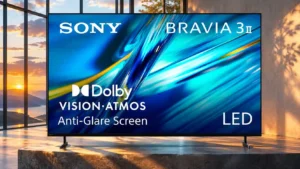
Overall: 3.8/5
The direct-lit LCD construction carries very low risk of permanent image retention, reassuring viewers who leave static graphics on-screen.
Pros: HDMI 2.1 port count, overall satisfaction
Cons: HDR performance, bass performance
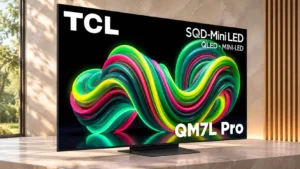
Overall: 4.1/5
LCD construction avoids permanent image burn-in, an advantage for static interfaces and prolonged use.
Pros: picture quality, black levels
Cons: viewing angles, motion clarity
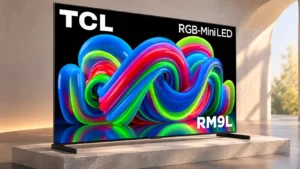
Overall: 3.8/5
The LCD panel avoids permanent OLED-style burn-in, helping ease concerns about static interfaces and long gaming sessions.
Pros: picture quality, overall satisfaction
Cons: color crosstalk, value for money
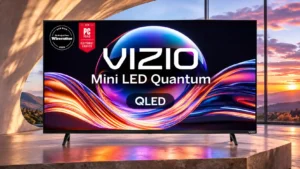
Overall: 2.9/5
The LCD panel avoids permanent burn-in, making static graphics less concerning for long-term use.
Pros: value for money, picture quality
Cons: account requirements, gaming performance
Overall: 4.0/5
The LCD panel avoids permanent OLED-style burn-in, a reassuring strength for repeated static imagery and long-term use.
Pros: peak brightness, picture quality
Cons: value for money, viewing angles
Overall: 3.1/5
The direct-lit LCD panel has a very low risk of permanent burn-in from static artwork, making long art displays less concerning.
Pros: design and appearance, maximum volume
Cons: picture quality, value for money
Overall: 2.7/5
The direct-lit LCD panel is unlikely to retain static images permanently, an advantage for content with persistent on-screen graphics.
Pros: white balance accuracy, design and appearance
Cons: overall satisfaction, value for money
Overall: 3.8/5
Its LCD backlight avoids the OLED-specific static-image concerns that worry gaming and news viewers.
Pros: overall satisfaction, color gamut
Cons: value for money, local dimming performance
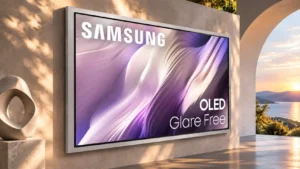
Overall: 4.2/5
Mixed-content viewing should be relatively manageable, but prolonged static interfaces carry meaningful permanent burn-in risk.
Pros: picture quality, overall satisfaction
Cons: design and appearance, Dolby Vision support
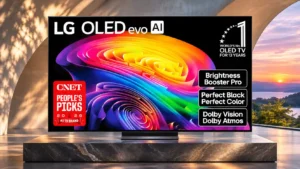
Overall: 4.1/5
Static logos and unchanging screens can still cause permanent OLED damage, despite confidence in the newer tandem panel design.
Pros: gaming performance, HDR brightness
Cons: reflection handling, glare resistance
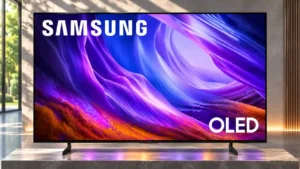
Overall: 4.0/5
Static logos and HUD elements carry a risk of permanent burn-in over time. Built-in protections help, and varied viewing is less concerning.
Pros: black levels, picture quality
Cons: glare resistance, reflection handling
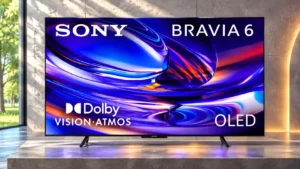
Overall: 3.8/5
Bright static elements such as logos, news tickers, and game HUDs carry a meaningful risk of permanent burn-in over time. Mixed content is much safer than leaving fixed graphics onscreen...
Pros: HDMI 2.1 port count, Video input versatility
Cons: value for money, overall satisfaction
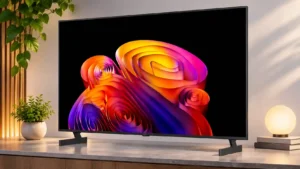
Overall: 4.0/5
Static logos or news banners pose a meaningful permanent burn-in risk. Mixed viewing helps, but caution is worthwhile for fixed content.
Pros: contrast ratio, black levels
Cons: reflection handling, color accuracy
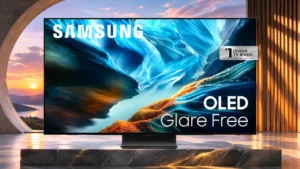
Overall: 4.1/5
Static logos and persistent screen elements pose a real permanent burn-in risk, even though mixed viewing is less concerning.
Pros: black levels, contrast ratio
Cons: Dolby Vision support, stutter handling