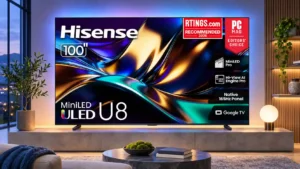
Over-the-air 1080i material is deinterlaced cleanly in the smaller sizes tested, making conventional broadcasts look crisp rather than jagged.
Pros: peak brightness, HDR brightness
Cons: sound quality, viewing angles

Over-the-air 1080i material is deinterlaced cleanly in the smaller sizes tested, making conventional broadcasts look crisp rather than jagged.
Pros: peak brightness, HDR brightness
Cons: sound quality, viewing angles
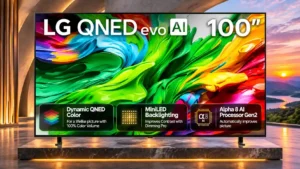
Interlaced 1080i broadcasts are converted into clean, stable images across the three tested sizes. Film-based HD signals are also handled particularly well.
Pros: picture quality, maximum volume
Cons: sound quality, bass performance

1080i deinterlacing is excellent, with particularly good treatment of film-based broadcast material.
Pros: picture quality, value for money
Cons: viewing angles, HDR performance
Film-based 1080i broadcasts look unusually clean, with strong deinterlacing and cadence compensation.
Pros: viewing angles, smart TV platform
Cons: overall satisfaction, refresh rate
Interlaced HD broadcasts receive excellent deinterlacing and frame-rate compensation, an advantage for traditional TV sources.
Pros: picture quality, smart TV platform
Cons: value for money, refresh rate
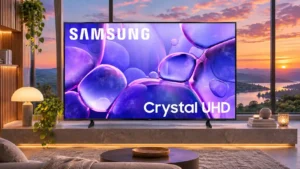
1080i broadcasting is deinterlaced cleanly, making conventional television feeds look better than expected.
Pros: color accuracy, upscaling quality
Cons: picture quality, sound quality
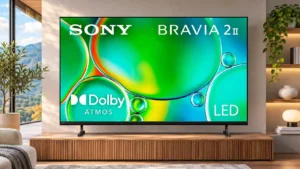
Interlaced broadcasts are handled exceptionally well, with clean deinterlacing and smooth film-based frame conversion. It is a particularly useful strength for conventional TV feeds.
Pros: picture quality, overall satisfaction
Cons: sound quality, reliability
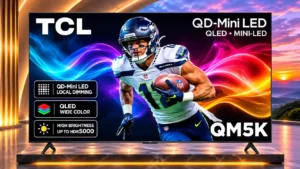
Excellent 1080i deinterlacing and film-rate handling keep compatible broadcast material convincing.
Pros: black levels, picture quality
Cons: HDR performance, blooming control