
Overall: 4.2/5
Automatic brightness adaptation works better than in some previous Samsung TVs, adjusting to ambient light without becoming distracting.
Pros: high-refresh-rate gaming, gaming performance
Cons: value for money, bass performance

Overall: 4.2/5
Automatic brightness adaptation works better than in some previous Samsung TVs, adjusting to ambient light without becoming distracting.
Pros: high-refresh-rate gaming, gaming performance
Cons: value for money, bass performance
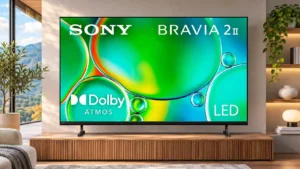
Overall: 3.6/5
Ambient-light adjustment adapts the picture to changing room brightness, a handy convenience appreciated during setup.
Pros: picture quality, overall satisfaction
Cons: sound quality, reliability

Overall: 4.0/5
Automatic brightness adjustment is generally a clear strength, adding to the QM6K’s appealing balance of picture performance and practical features.
Pros: color accuracy, picture quality
Cons: HDR brightness, peak brightness
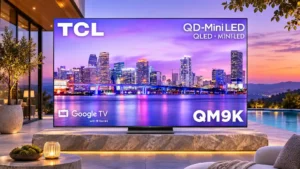
Overall: 3.9/5
Ambient-light adaptation keeps the picture comfortable across changing daylight and dimmer evenings, although manual control is still useful.
Pros: peak brightness, overall satisfaction
Cons: value for money, shadow detail
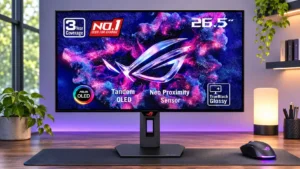
Overall: 4.4/5
Uniform Brightness keeps the screen steady as window sizes and content change. The consistency comes with a limit on peak brightness.
Pros: overall satisfaction, response time
Cons: reflection handling, VRR flicker
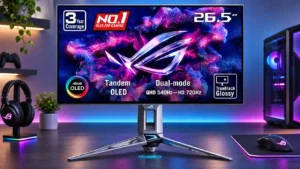
Overall: 4.3/5
The uniform-brightness setting keeps the image steadier when content changes, at the cost of limiting maximum output.
Pros: black levels, motion clarity
Cons: value for money, Dual-mode versatility
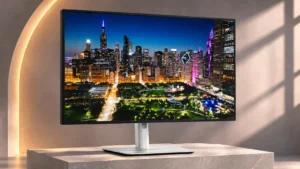
Overall: 4.2/5
Ambient-light adjustment helps the screen adapt to a bright office, but it can dim too aggressively in darker rooms. Manual brightness remains a useful fallback.
Pros: port selection, overall satisfaction
Cons: value for money, competitive gaming suitability
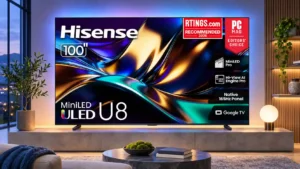
Overall: 4.1/5
The ambient-light sensor can ease the transition between daylight and evening viewing while cutting unnecessary output.
Pros: peak brightness, HDR brightness
Cons: sound quality, viewing angles
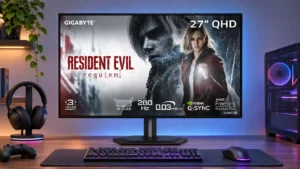
Overall: 4.0/5
APL Stabilize offers a choice between steadier brightness and punchier highlights. Higher settings can produce noticeable luminance shifts as on-screen content changes.
Pros: brightness, contrast
Cons: Text fringing, speaker quality

Overall: 3.6/5
Dynamic brightness can change picture output unexpectedly; turning it off is suggested for users seeking predictable manual settings.
Pros: black levels, picture quality
Cons: HDR performance, blooming control
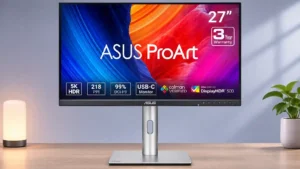
Overall: 4.1/5
The ambient-light sensor can reduce manual brightness adjustments, but reactions are mixed. Preset restrictions and overly dim results in certain color modes undermine its convenience.
Pros: value for money, Resolution
Cons: HDR performance, refresh rate
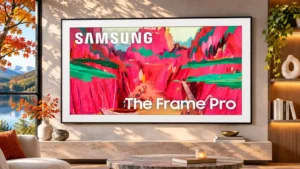
Overall: 3.8/5
Automatic changes can suit room lighting, yet art sometimes glows far too brightly at night and the controls can be frustrating.
Pros: Wireless One Connect compatibility, art display mode
Cons: value for money, input lag

Overall: 4.2/5
An energy-saving setting can dim the picture more than some viewers prefer.
Pros: value for money, color accuracy
Cons: HDR brightness, reflection handling
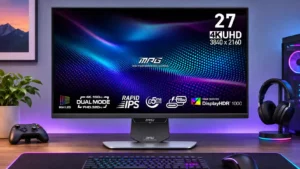
Overall: 4.0/5
There is no ambient-light sensor to automatically tune brightness, an omission for changing room lighting.
Pros: Dual-mode versatility, refresh rate
Cons: black levels, contrast
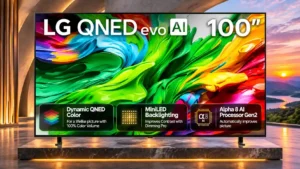
Overall: 3.7/5
The ambient-light sensor can still change screen brightness after its automatic adjustment option has been switched off.
Pros: picture quality, maximum volume
Cons: sound quality, bass performance