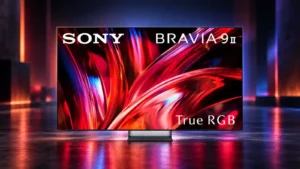
Overall: 4.3/5
Brightness can remain extremely high for sustained periods; one test held near 4,000 nits for several minutes.
Pros: overall satisfaction, overall image accuracy
Cons: value for money, bass performance

Overall: 4.3/5
Brightness can remain extremely high for sustained periods; one test held near 4,000 nits for several minutes.
Pros: overall satisfaction, overall image accuracy
Cons: value for money, bass performance
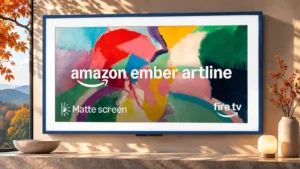
Overall: 3.4/5
The backlight maintains a consistent output across changes in scene brightness, avoiding distracting swings.
Pros: art display mode, picture quality
Cons: contrast ratio, high-refresh-rate gaming

Overall: 4.4/5
Full-screen HDR brightness around the mid-400-nit range is a meaningful OLED upgrade, improving sports, bright scenes, and room-light performance.
Pros: picture quality, peak brightness
Cons: value for money, sound quality
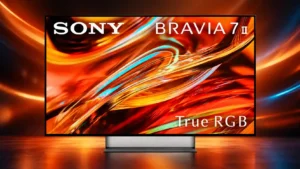
Overall: 4.2/5
Full-screen brightness is strong for the class, though the 7 II gives up substantial sustained output to the Bravia 9 II.
Pros: overall satisfaction, picture quality
Cons: HDMI 2.1 port count, reflection handling
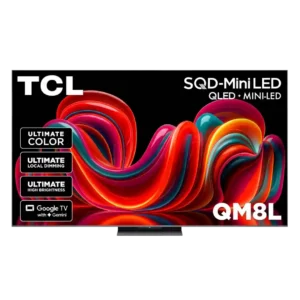
Overall: 4.4/5
The TV can hold very high brightness for real viewing rather than only producing brief test-pattern spikes. Performance may settle below its initial peak, but remains exceptionally strong.
Pros: picture quality, value for money
Cons: stand quality, judder handling
Overall: 3.8/5
Larger bright scenes retain much of their impact rather than immediately dimming down.
Pros: overall satisfaction, color gamut
Cons: value for money, local dimming performance
Overall: 4.1/5
Full-screen brightness is strong for OLED and several tests found it held up well in big bright scenes. Heavy automatic limiting or the G6 advantage can still show in some...
Pros: gaming performance, HDR brightness
Cons: reflection handling, glare resistance
Overall: 3.7/5
Bright full-screen scenes retain substantial intensity, which is useful in illuminated rooms. Large bright areas still fall below the intensity of small HDR highlights.
Pros: color volume, overall satisfaction
Cons: value for money, color accuracy
Overall: 4.5/5
Full-screen brightness falls as OLED protection engages, but the sustained result is still described as competitive for the class.
Pros: glare resistance, black levels
Cons: Dolby Vision support, color gamut
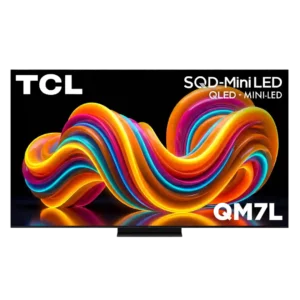
Overall: 3.9/5
Full-screen and accurate-mode brightness can remain strong, but output may drop quickly after the brightest short-window peaks.
Pros: peak brightness, picture quality
Cons: color accuracy, viewing angles
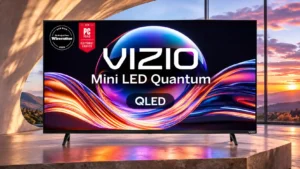
Overall: 2.9/5
Light output varies somewhat across content, but scene-to-scene variation is generally manageable.
Pros: value for money, picture quality
Cons: account requirements, gaming performance
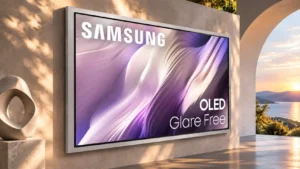
Overall: 4.2/5
Sustained brightness performs reasonably, although it has limitations that make the experience dependent on settings or usage.
Pros: picture quality, overall satisfaction
Cons: design and appearance, Dolby Vision support

Overall: 4.0/5
Brief peaks are extremely bright, but sustained highlights can dim noticeably; occasional changes between scenes also draw criticism. Normal movie material is usually less affected.
Pros: peak brightness, blooming control
Cons: value for money, motion clarity
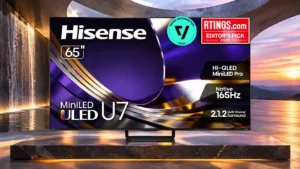
Overall: 4.2/5
Full-screen bright content dims compared with smaller HDR highlights, something most visible in white-heavy sports.
Pros: overall satisfaction, glare resistance
Cons: motion handling, viewing angles
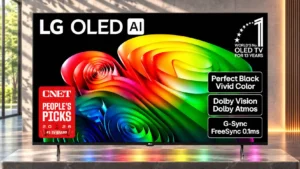
Overall: 3.8/5
Fullscreen HDR gains over the B5 are smaller than the brighter peaks suggest, with some modes falling behind.
Pros: value for money, peak brightness
Cons: color accuracy, stand quality
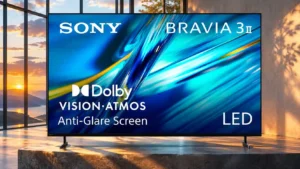
Overall: 3.8/5
The backlight maintains adequate output in ordinary and moderately bright scenes rather than delivering dramatic localized highlights.
Pros: HDMI 2.1 port count, overall satisfaction
Cons: HDR performance, bass performance
Overall: 4.0/5
The panel cannot maintain the same visual punch when much of the screen is bright, a drawback for sports and sunny outdoor scenes.
Pros: contrast ratio, black levels
Cons: reflection handling, color accuracy
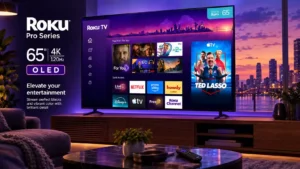
Overall: 4.1/5
Full-screen white and snowy scenes can look dim, exposing the panel’s sustained-brightness limits. Everyday SDR content fares better against the OLED rivals compared.
Pros: contrast ratio, value for money
Cons: peak brightness, HDR brightness
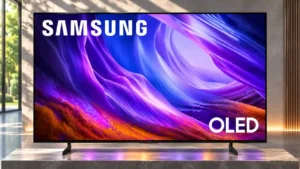
Overall: 4.0/5
A larger bright area causes the image to dim considerably, limiting the impact of snowfields, bright skies and full-screen highlights.
Pros: black levels, picture quality
Cons: glare resistance, reflection handling
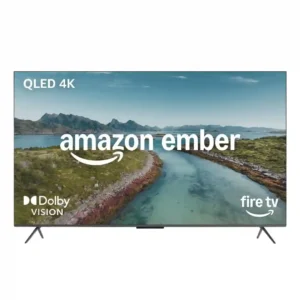
Overall: 3.3/5
One expert found the picture consistently less bright than other TVs they had tested. Full-screen performance is usable, but it does not create the sustained luminance of stronger competitors.
Pros: picture quality, overall satisfaction
Cons: value for money, reliability
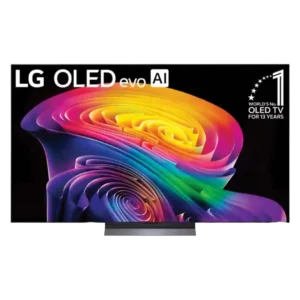
Overall: 4.1/5
Bright full-screen scenes trigger noticeable automatic brightness limiting, so sports and snow-heavy content can look dimmer than small HDR highlights suggest.
Pros: picture quality, gaming performance
Cons: value for money, sound quality
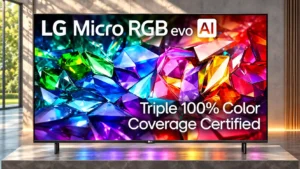
Overall: 4.0/5
Peak output is exceptional, but the screen dims considerably after roughly a minute of continuous bright imagery.
Pros: peak brightness, picture quality
Cons: value for money, viewing angles
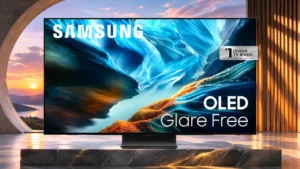
Overall: 4.1/5
OLED brightness falls when much of the picture is bright, reducing impact in sunlit scenes or full-screen white imagery.
Pros: black levels, contrast ratio
Cons: Dolby Vision support, stutter handling
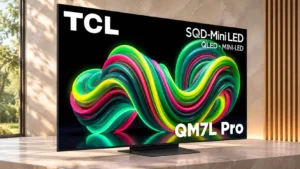
Overall: 4.1/5
The brightest Boost output lasts only briefly, so exceptional peak measurements do not translate into constant luminance.
Pros: picture quality, black levels
Cons: viewing angles, motion clarity
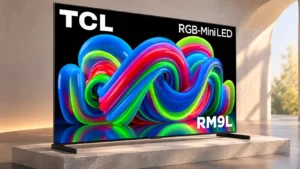
Overall: 3.8/5
Peak highlights are spectacular, but brightness falls noticeably if those bright elements remain on screen for a sustained period.
Pros: picture quality, overall satisfaction
Cons: color crosstalk, value for money
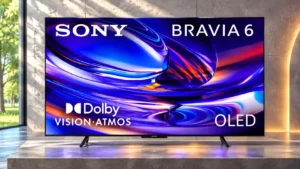
Overall: 3.8/5
Brightness drops noticeably as larger parts of the image become light. Sports and snowy or sunlit scenes can look especially subdued.
Pros: HDMI 2.1 port count, Video input versatility
Cons: value for money, overall satisfaction