Best for switch options
MonsGeek M1 V5 HE
4.8 attribute score
Highest scored product for this attribute based on supporting review evidence.

Highest scored product for this attribute based on supporting review evidence.
Balances the attribute score, supporting reviews, and overall product strength.
Has the broadest review evidence for this attribute.
Strongest overall product among items with scored evidence for this attribute.
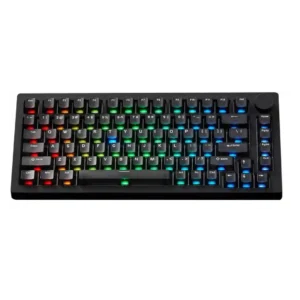
Reviewers consistently value the switch ecosystem, especially the TMR model's ability to mix magnetic and mechanical switches and the availability of multiple Akko options.
Pros: build quality, customization options
Cons: reliability
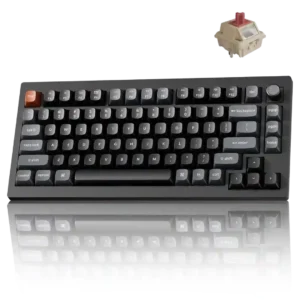
Red, Brown, and Banana stock choices cover linear and tactile preferences, and broad MX-style hot-swap compatibility greatly expands the available alternatives.
Pros: gaming performance, overall satisfaction
Cons: polling rate, frame rigidity
Reviewers appreciate having linear, tactile, and clicky options, with several noting the variants help match user preference.
Pros: battery life, wireless performance
Cons: value for money, wrist rest quality
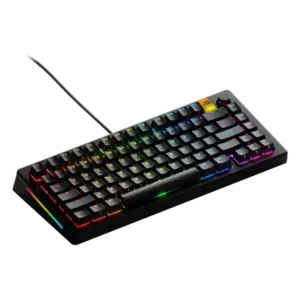
Reviewers liked the variety of HE switch choices, including tactile/clicky options and samples, with several calling the switch ecosystem unusually flexible.
Pros: customization options, software quality
Cons: value for money, materials quality
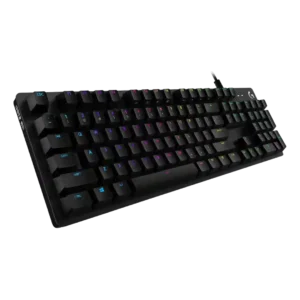
Reviewers repeatedly value having multiple switch choices, with several praising Logitech for offering tactile, linear, and clicky options.
Pros: value for money, design aesthetics
Cons: passthrough features, noise level

Switch flexibility was praised because reviewers noted support for 3-pin and 5-pin alternatives, giving owners room to change the stock feel.
Pros: gaming performance, switch feel
Cons: value for money, extra gaming features
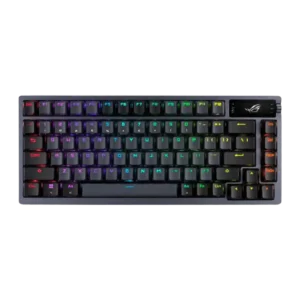
Switch options were supported by reviewer praise for a wide range of compatible switch choices and multiple NX switch variants.
Pros: switch feel, typing feel
Cons: software quality, volume control
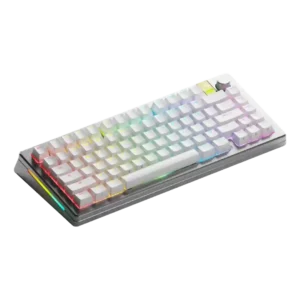
Switch choice was a major strength, with reviewers valuing multiple HE feedback styles and the ability to move between MX and Hall effect options.
Pros: customization options, gaming performance
Cons: value for money, software quality
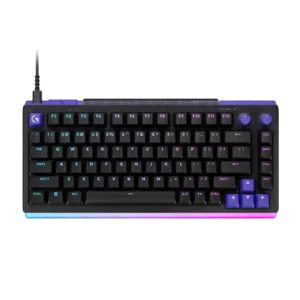
The ability to combine standard three- or five-pin mechanical switches with TMR analog switches is the product’s defining advantage. It offers rare flexibility without forcing users to abandon familiar mechanical...
Pros: overall satisfaction, design aesthetics
Cons: value for money, wrist rest quality
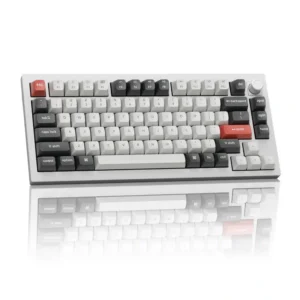
Red, Brown, and Banana variants cover gaming, mixed use, and stronger tactility, and the hot-swap design makes alternatives easy. The Brown option drew the harshest criticism.
Pros: build quality, overall satisfaction
Cons: portability, ergonomics
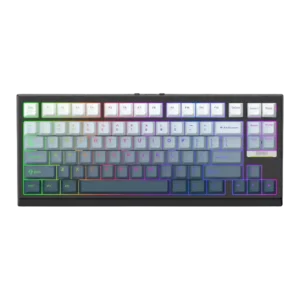
Switch choice was praised in the budget-focused review, especially the Creamy Jade option for users who prefer a softer aesthetic.
Pros: gaming performance, key responsiveness
Cons: compatibility
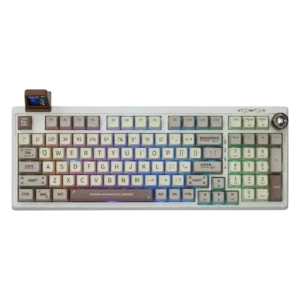
Switch choice is a recurring strength: reviewers praised the range of stock options and the ability to choose quieter, tactile, or more conventional linear switches.
Pros: value for money, typing feel
Cons: software quality, reliability
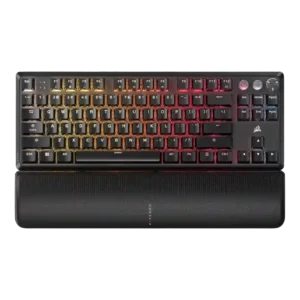
Switch selection was a consistent strength, with reviewers praising the range of Cherry MX options, though one review noted that some versions offered fewer variants.
Pros: value for money, keycap quality
Cons: polling rate, acoustics
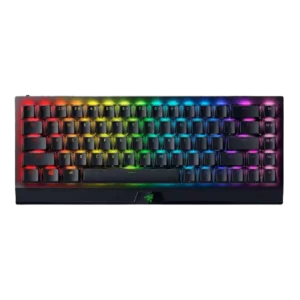
The Green and Yellow switch choices were viewed positively because they suit different typing and gaming preferences, though reviewers did not describe a wider switch ecosystem.
Pros: size and form factor, switch feel
Cons: value for money, battery life

Switch choice is positive but limited: reviewers appreciated linear/tactile options and replaceable kits, with most praise tied to the ability to tune feel.
Pros: typing feel, gaming performance
Cons: software quality, value for money

Switch options were appreciated for offering tactile, linear, and clicky choices, though buyers must choose before purchase.
Pros: value for money, battery life
Cons: hot-swappable switches, noise level

Switch options are viewed positively because linear and tactile choices cover preferences, though options remain narrower than enthusiast boards.
Pros: noise level, RGB lighting quality
Cons: rapid trigger support, extra gaming features
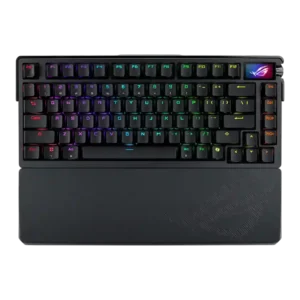
Switch options were viewed positively because reviewers noted NX Snow, NX Storm, and mechanical switch choice, though evidence centered on available feel preferences rather than deep testing of every option.
Pros: build quality, customization options
Cons: value for money, rapid trigger support

Switch choice received limited but positive coverage, with reviewers noting the option between tactile/clicky and smooth linear ROG NX V2 switches.
Pros: typing feel, design aesthetics
Cons: value for money, materials quality
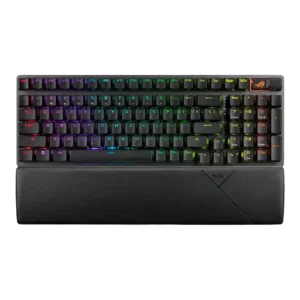
Evidence on switch options is limited, but the available reviewer sentiment says buyers choosing between the Snow and Storm styles should be happy either way.
Pros: switch feel, typing feel
Cons: software quality, key spacing
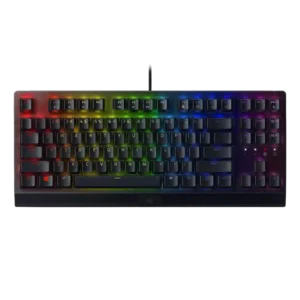
Switch choice was seen as useful because Green and Yellow options suit different preferences, but several reviewers wished the lineup offered broader switch variety.
Pros: RGB lighting quality, value for money
Cons: wrist rest quality, noise level
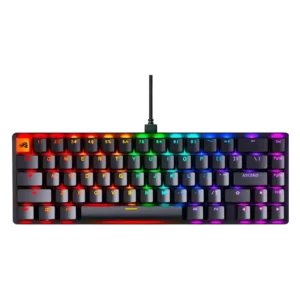
Switch choice was praised through barebones and hot-swap flexibility, but several reviewers criticized the limited prebuilt factory option.
Pros: switch feel, value for money
Cons: key spacing, actuation consistency

Switch choice was seen as adequate but somewhat limited: reviewers liked the silent linear and tactile options, while one wanted a wider default selection.
Pros: sound dampening, switch feel
Cons: reliability, rapid trigger support

Switch choice was mixed: reviewers appreciated having linear, tactile, and silent options, but several found the lineup limited or less adventurous than before.
Pros: battery life, portability
Cons: volume control, switch options
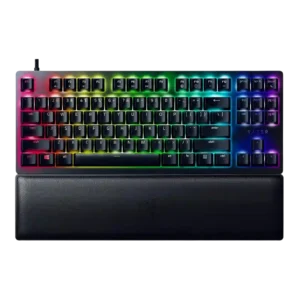
The red and purple switch choices gave buyers options, though opinion strongly favored the quieter red linears while clicky or silent-linear feel split reviewers.
Pros: wrist rest quality, polling rate
Cons: value for money, media controls
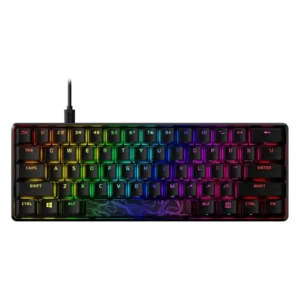
Switch choice is appreciated across the lineup, but smaller variants receive criticism when they ship with only linear switches or delayed tactile/clicky options.
Pros: build quality, value for money
Cons: software quality, stabilizer quality

Buyers can choose Zebra or Wisteria linears, but there are no stock tactile, clicky or silent choices; hot-swap support partly offsets that limitation.
Pros: overall satisfaction, build quality
Cons: portability, reliability

Switch options were a recurring weakness because the base board ships only with linear MLX Reds, even though hot-swap mitigates that limitation.
Pros: software quality, switch feel
Cons: legend visibility, extra gaming features

Switch options were limited in one review's view because the G515 lacks a clicky option and offers only tactile or linear.
Pros: switch feel, battery life
Cons: volume control, media controls
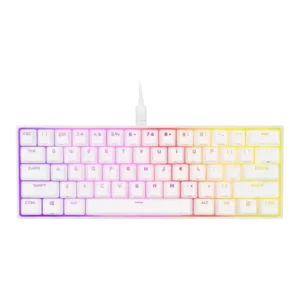
Switch options were viewed as serviceable but limited, with reviewers noting linear Cherry choices while questioning the lack of OPX/optical or broader options.
Pros: switch feel, size and form factor
Cons: polling rate, value for money

The magnetic-switch ecosystem is the main limitation: standard 3- or 5-pin mechanical switches are not supported, and tactile or clicky choices are scarce. Hot-swapping compatible magnetic alternatives still leaves room...
Pros: overall satisfaction, customization options
Cons: value for money, switch options

Switch choice was the clearest limitation: one reviewer wanted tactile options at checkout, while another wanted to try tactiles despite liking the included switches.
Pros: customization options, build quality
Cons: connectivity
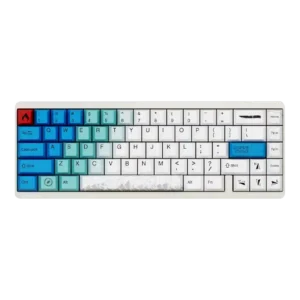
Switch choice was divisive: one review criticized the limited options, while another felt the available Gateron choices were strong.
Pros: design aesthetics, build quality
Cons: software quality, customization options
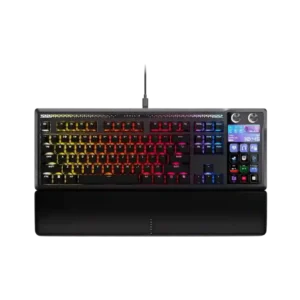
Out of the box, the switch choice is limited to the MLX Pulse linear switch. Hot-swap support softens that limitation because buyers can install compatible mechanical switches later.
Pros: macro customization, switch feel
Cons: software quality, value for money
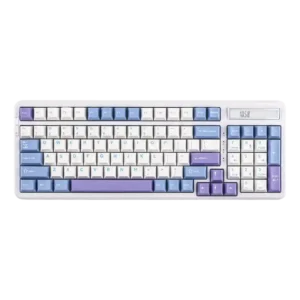
Stock switch variety was a recurring limitation: reviewers noted the board mainly offers two similar linear choices, even though one review liked both options.
Pros: RGB customization, keycap quality
Cons: frame rigidity, switch options
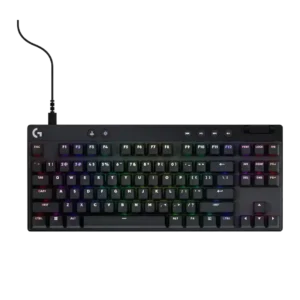
Switch options are broad on some GX models but criticized on proprietary or closed switch ecosystems.
Pros: build quality, software quality
Cons: value for money, hot-swappable switches
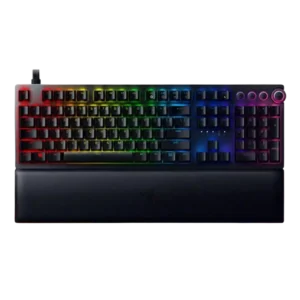
Switch variety drew criticism because the analog implementation effectively means linear switches, with reviewers wishing for tactile feedback or finding that limitation disappointing.
Pros: analog input support, wrist rest quality
Cons: value for money, cable quality

Switch options were mixed to negative: some magnetic variants are supported, but reviewers repeatedly criticized the limited compatible-switch ecosystem.
Pros: value for money, build quality
Cons: switch options, hot-swappable switches

Switch choice was a limitation: reviewers noted Hall-effect switches are restricted to linears and wished for more stock options.
Pros: design aesthetics, build quality

Switch options were a repeated weakness because reviewers emphasized limited compatibility with specific magnetic double-rail switches.
Pros: customization options, design aesthetics
Cons: switch options, key spacing

Switch choice was the clearest hardware limitation: reviewers noted one included switch set or proprietary magnetic-switch compatibility as disappointing or limiting.
Pros: build quality, switch feel
Cons: switch options
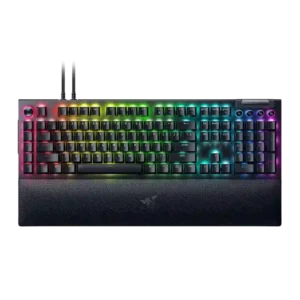
Switch options were a recurring weakness where reviewers wanted tactile, linear, or more checkout choices, especially on expensive or Pro models.
Pros: value for money, wrist rest quality
Cons: software quality, ergonomics

Switch choice drew mixed reactions: reviewers praised the Hall-effect base but criticized limited hardware versatility and mixed switch types on some keys.
Pros: value for money, rapid trigger support
Cons: media controls, stabilizer quality

Switch options were a limitation because the Joro is not mechanical, which reviewers said may deter buyers who want that feel.
Pros: portability, build quality
Cons: value for money, ergonomics
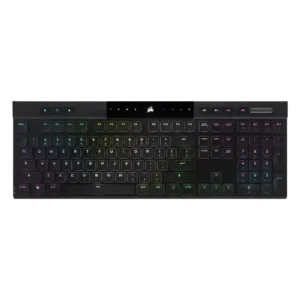
Switch options scored low because a long-term reviewer wanted a linear version and felt limited to the tactile switches.
Pros: battery life, switch feel
Cons: value for money, ease of switch replacement
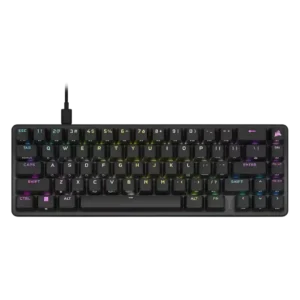
Switch choice was a limitation: reviewers liked the OPX feel but noted the narrow proprietary switch path for buyers who want broader switch variety.
Pros: sound dampening, value for money
Cons: ergonomics, polling rate
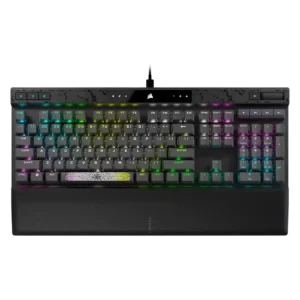
Switch options were weak because one reviewer specifically disliked the lack of tactile or clicky alternatives.
Pros: customization options, gaming performance
Cons: value for money, noise level
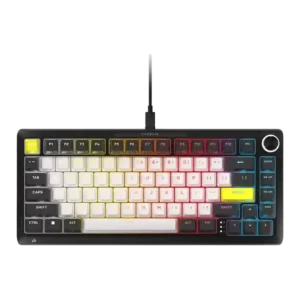
Switch-option evidence was limited and negative because standard MX tactile and clicky switches are not usable on the Hall Effect PCB.
Pros: typing feel, build quality
Cons: value for money, wireless performance

Switch options were the most consistent limitation because compatibility is restricted to a small set of linear Gateron double-rail magnetic switches.
Pros: value for money, design aesthetics
Cons: cable quality, ergonomics

Switch options were the clearest customization weakness because reviewers repeatedly criticized the limited Hall Effect switch compatibility.
Pros: build quality, keycap quality
Cons: switch options, portability