Best for noise level
Wooting 60HE+
5.0 attribute score
Highest scored product for this attribute based on supporting review evidence.

Highest scored product for this attribute based on supporting review evidence.
Balances the attribute score, supporting reviews, and overall product strength.
Has the broadest review evidence for this attribute.
Strongest overall product among items with scored evidence for this attribute.

Typing volume is low for a gaming keyboard and generally office-friendly. Reviewers repeatedly describe it as discreet, quiet, and unlikely to bother nearby people.
Pros: overall satisfaction, customization options
Cons: value for money, switch options

Noise level was the strongest consensus point: reviewers repeatedly called the board extremely quiet, whisper-like, or among the quietest mechanical keyboards they had used.
Pros: sound dampening, switch feel
Cons: reliability, rapid trigger support

Noise level is a major strength for red-switch units, repeatedly described as very quiet or near-silent.
Pros: portability, value for money
Cons: software quality, key spacing
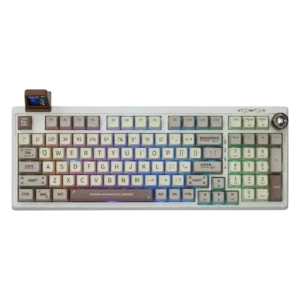
Noise level is a consistent strength for the Sea Salt Silent version, which reviewers found extremely quiet and office-friendly.
Pros: value for money, typing feel
Cons: software quality, reliability
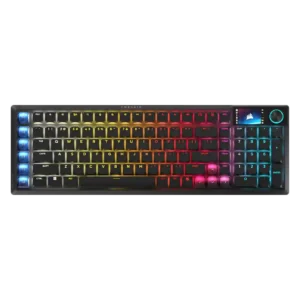
The keyboard is impressively quiet for a gaming board, making late-night use and shared offices practical. Its sound stays muted and controlled rather than clicky or obnoxious.
Pros: overall satisfaction, macro customization
Cons: value for money, software quality
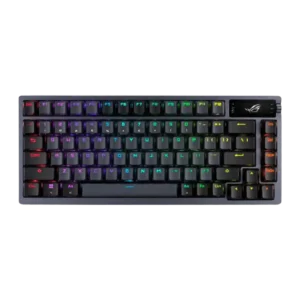
Noise level was praised as quiet or controlled, especially with red/silent-style switches and layered internal dampening.
Pros: switch feel, typing feel
Cons: software quality, volume control
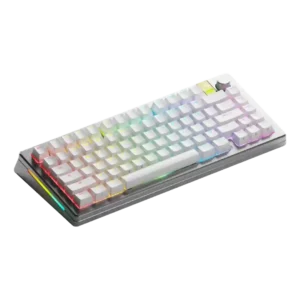
Noise level was generally praised, with reviewers calling the board very quiet or unobtrusive in use.
Pros: customization options, gaming performance
Cons: value for money, software quality

Noise level was strongly positive, with reviewers repeatedly calling the keyboard quiet, subtle, not very loud, or free of annoying clickiness.
Pros: build quality, switch feel
Cons: switch options

Noise level was generally praised as office-friendly, quiet, or not invasive while still sounding pleasant.
Pros: size and form factor, typing feel
Cons: switch options, portability
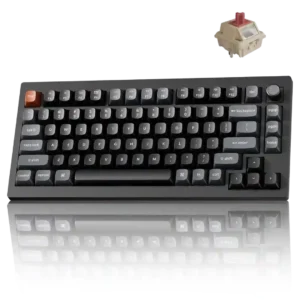
The dampened sound and non-clicky Brown switches are considered suitable for offices and shared spaces, with little risk of harsh clatter.
Pros: gaming performance, overall satisfaction
Cons: polling rate, frame rigidity

Noise was widely praised as quiet, calm, and non-disruptive, making the board suitable for shared or quieter spaces.
Pros: software quality, switch feel
Cons: legend visibility, extra gaming features
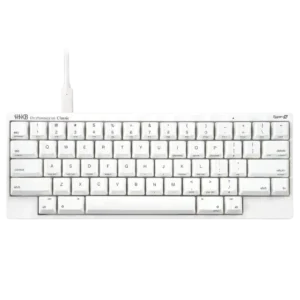
The Type-S is consistently quieter than conventional or standard Topre boards and works well in offices or late-night settings. Bottom-out remains audible, so “silent” is relative rather than literal.
Pros: switch feel, typing feel
Cons: value for money, layout options

Noise level was a strength, with reviewers describing the Joro as quiet, restrained, and suitable for offices, shared spaces, or travel.
Pros: portability, build quality
Cons: value for money, ergonomics
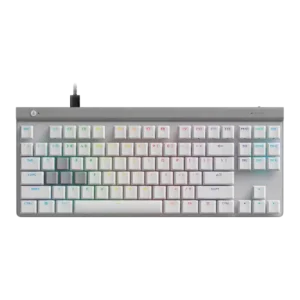
Noise level was a strength, with reviewers describing the keyboard as quiet, shared-space friendly, and quieter than many mechanical alternatives.
Pros: build quality, gaming performance
Cons: typing feel, typing comfort
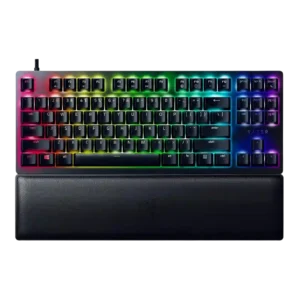
Noise level was usually a strength for red linear units, though clicky-switch reviews and stabilizer noise produced some negative scores.
Pros: wrist rest quality, polling rate
Cons: value for money, media controls
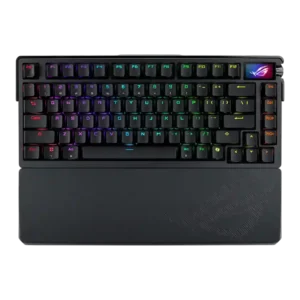
Noise level was favorable, with reviewers describing the sound as muted or quiet while still satisfying.
Pros: build quality, customization options
Cons: value for money, rapid trigger support

Noise level received limited but positive evidence from a reviewer who described the sound as muted and thocky rather than harsh.
Pros: customization options, build quality
Cons: connectivity

Noise level is the product’s strongest theme, with reviewers finding it impressively quiet even when noting specific louder buttons or comparisons.
Pros: noise level, RGB lighting quality
Cons: rapid trigger support, extra gaming features
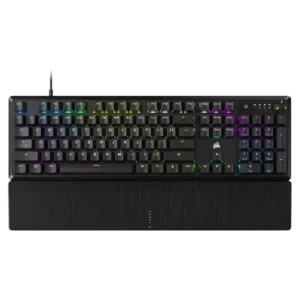
Noise level was generally considered low for a mechanical board, with reviewers praising subdued, quiet, or less annoying operation.
Pros: value for money, typing feel
Cons: wrist rest quality, media controls

Noise level was favorable overall because reviewers described the keyboard as quiet or not obnoxious, though not completely silent.
Pros: build quality, keycap quality
Cons: switch options, portability

Most reviewers found the Q1 HE quiet or quieter than typical mechanical boards, though PCWorld considered it noisy compared with quieter expectations.
Pros: value for money, software quality
Cons: switch options, ergonomics
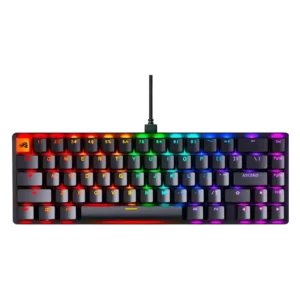
Noise level was usually considered quiet or controlled, though one reviewer found the board a bit louder than a HyperX board.
Pros: switch feel, value for money
Cons: key spacing, actuation consistency

Noise levels were widely praised as quiet or muted for a mechanical gaming keyboard, helped by low-profile switches and dampening.
Pros: switch feel, battery life
Cons: volume control, media controls

Noise level was received positively, with reviewers describing the keyboard as tighter, quieter, and smooth rather than loud.
Pros: typing feel, design aesthetics
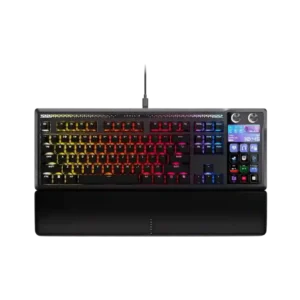
Noise is generally controlled rather than silent. Reviewers say it avoids metallic ping and is not overly loud, while still sounding like a mechanical keyboard.
Pros: macro customization, switch feel
Cons: software quality, value for money
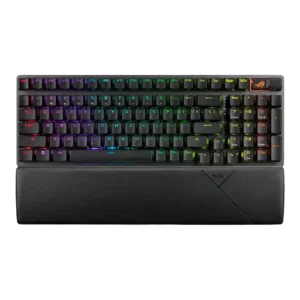
Noise level is mostly positive because the board is quieter than expected, though one reviewer found it neither silent enough nor noisy enough for their taste.
Pros: switch feel, typing feel
Cons: software quality, key spacing

Noise level was considered office-friendly or fairly quiet by several reviewers, despite not being silent.
Pros: customization options, design aesthetics
Cons: switch options, key spacing
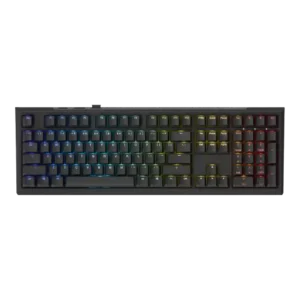
Noise level was mostly favorable due to quieter, softer, low-rattle typing, but coil whine with RGB created a notable caveat.
Pros: value for money, gaming performance
Cons: software quality, customization options
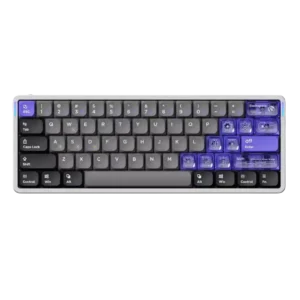
Noise level was considered office-friendly or pleasantly controlled rather than truly silent.
Pros: software quality, switch feel
Cons: connectivity, layout options

Noise level was usually considered reasonable, with reviewers saying it was quieter than before or not distracting.
Pros: value for money, rapid trigger support
Cons: media controls, stabilizer quality
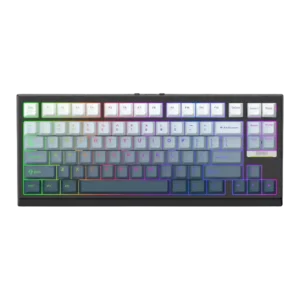
Noise level was mostly praised as quiet or pleasing, but one review complained that heavy presses were noisy.
Pros: gaming performance, key responsiveness
Cons: compatibility
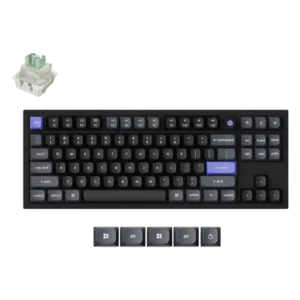
The typing sound was described as soft, suggesting a favorable noise character.
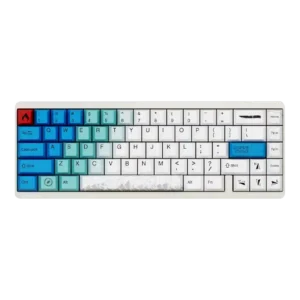
Noise level had limited positive evidence, with one reviewer describing it as not too loud for a rapid-trigger keyboard.
Pros: design aesthetics, build quality
Cons: software quality, customization options
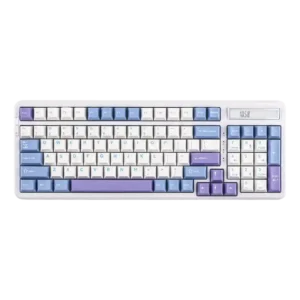
Noise level was mostly favorable, with several reviews finding it controlled or quiet, but one review said metallic ping hurt the sound profile.
Pros: RGB customization, keycap quality
Cons: frame rigidity, switch options
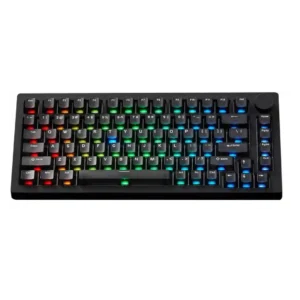
Noise level varies by switch and variant: clicky switches are louder, but many magnetic or foam-filled builds are described as quiet, muted, or resonance-free.
Pros: build quality, customization options
Cons: reliability
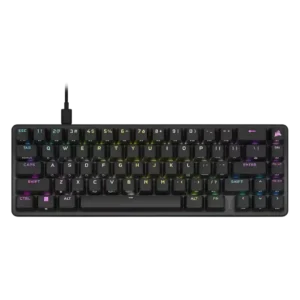
Noise was viewed as controlled and pleasant rather than silent, with multiple reviews saying it was quieter or smoother than expected.
Pros: sound dampening, value for money
Cons: ergonomics, polling rate

Noise level was generally acceptable to good, with reviewers describing it as quiet enough or not overly clicky, though not silent.
Pros: value for money, design aesthetics
Cons: cable quality, ergonomics

Noise level is context-dependent: some reviewers call it quieter than peers, while IGN found it louder than a typical linear mechanical board.
Pros: typing feel, gaming performance
Cons: software quality, value for money
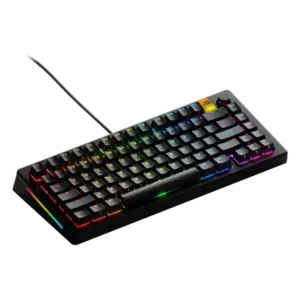
Noise level varied by configuration, from muted and late-night-friendly to a louder clack on some switch/keycap combinations.
Pros: customization options, software quality
Cons: value for money, materials quality

Noise feedback was mixed-positive: one reviewer found it louder and clacky, while another noted it did not sound scratchy.
Pros: design aesthetics, build quality
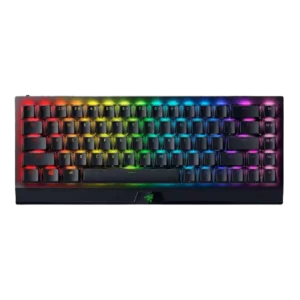
Noise level was context-dependent: many found the Yellow switches relatively quiet, but reviewers stressed the board was not silent and could still bother people nearby.
Pros: size and form factor, switch feel
Cons: value for money, battery life

Noise level was mostly favorable, ranging from coworker-friendly and quiet to a minor spring-ping caveat.
Pros: value for money, build quality
Cons: switch options, hot-swappable switches
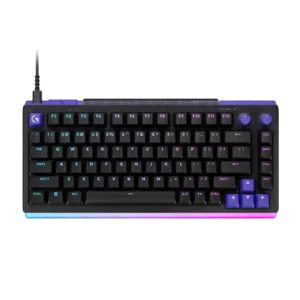
The keyboard is audible without being excessively loud. Its muted-to-clacky character is generally easy to live with for work and gaming.
Pros: overall satisfaction, design aesthetics
Cons: value for money, wrist rest quality
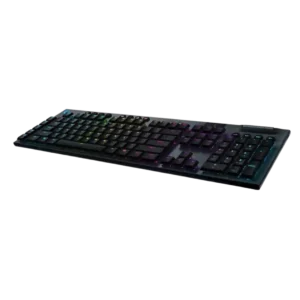
Noise opinions depend on switch choice: clicky switches are quieter than some mechanical boards but still too loud for shared spaces in one review.
Pros: battery life, wireless performance
Cons: value for money, wrist rest quality
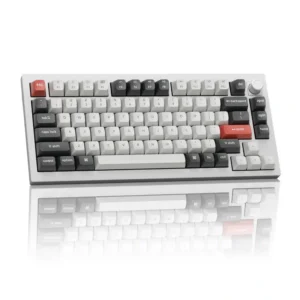
It is not silent, but gentle typing and well-lubed stabilizers keep it reasonable for shared spaces. Sound preference is divisive because one tester found the board excessively quiet and subdued.
Pros: build quality, overall satisfaction
Cons: portability, ergonomics

Noise level split by preference: many liked the quiet or balanced sound, while others heard clackiness or a slight spacebar ping.
Pros: software quality, build quality
Cons: value for money, connectivity
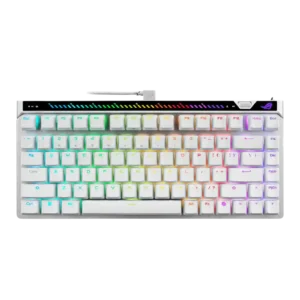
Noise-level evidence was split: one reviewer praised the lack of rattle and ping, while another called the sound clacky and annoying.
Pros: switch feel, customization options
Cons: value for money, wireless performance
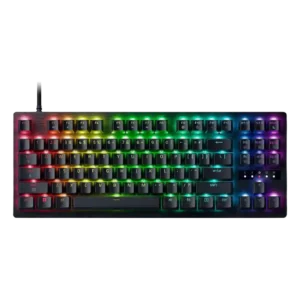
Noise impressions are mixed. One reviewer finds it quieter than many mechanical boards, while another says it is still audible enough to be questionable for a quiet office.
Pros: value for money, typing feel

Noise level was mixed: some found tactile switches muted or mic-friendly, while others called the board clicky, loud, or mushy-sounding.
Pros: value for money, battery life
Cons: hot-swappable switches, noise level

Noise level was mixed: one reviewer liked the muted sound, while others warned it is not the quietest mechanical option.
Pros: battery life, portability
Cons: volume control, switch options