Best for size and form factor
HHKB Professional Classic Type-S
5.0 attribute score
Highest scored product for this attribute based on supporting review evidence.

Highest scored product for this attribute based on supporting review evidence.
Balances the attribute score, supporting reviews, and overall product strength.
Has the broadest review evidence for this attribute.
Strongest overall product among items with scored evidence for this attribute.
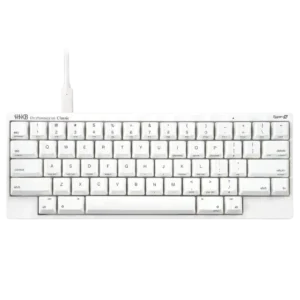
The 60% form factor is a major strength, keeping the board exceptionally compact without shrinking the main typing keys. Reviewers repeatedly praise how little space it occupies.
Pros: switch feel, typing feel
Cons: value for money, layout options

The compact 65% chassis balances desk efficiency with arrow keys and a knob, though users must accept missing dedicated keys.
Pros: overall satisfaction, build quality
Cons: portability, reliability
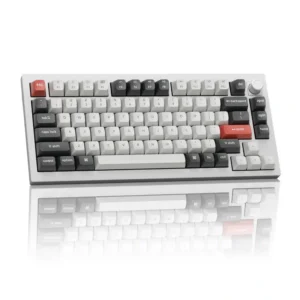
The 75% footprint is compact without feeling stripped down, making it a strong fit for smaller desks and users who still need navigation keys.
Pros: build quality, overall satisfaction
Cons: portability, ergonomics

The 75% size was praised as practical, with reviewers calling it a useful and near-perfect form factor for gaming desks.
Pros: typing feel, design aesthetics
Cons: value for money, materials quality
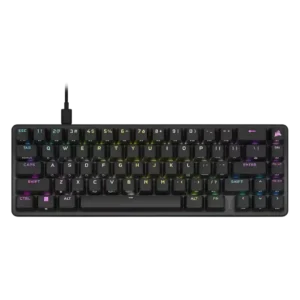
The compact form factor was praised as easy to adjust to and effective as a small-board offering.
Pros: sound dampening, value for money
Cons: ergonomics, polling rate

The size and form factor were generally viewed as a good 75% balance, but the compact layout and weight were not ideal for every user.
Pros: value for money, design aesthetics
Cons: cable quality, ergonomics

The slim, light form factor impressed reviewers, with hands-on comments emphasizing how thin and capable the keyboard felt.
Pros: portability, build quality
Cons: value for money, ergonomics

Size and form factor were broadly praised for combining a number pad and useful keys in a practical 96% layout, though the board remains large and heavy.
Pros: size and form factor, typing feel
Cons: switch options, portability
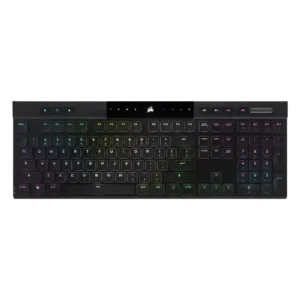
The ultra-thin form factor was one of the most admired traits, repeatedly described as shockingly thin or remarkable.
Pros: battery life, switch feel
Cons: value for money, ease of switch replacement
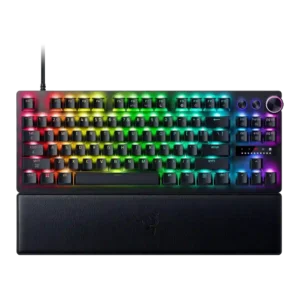
Size and form factor were positive overall, with reviewers praising the 60% model and TKL as practical gaming-friendly sizes.
Pros: customization options, typing feel
Cons: value for money, wrist rest quality

Form factor sentiment depended on model: TKL and Mini layouts saved space, while compactness could require adjustment.
Pros: value for money, rapid trigger support
Cons: media controls, stabilizer quality
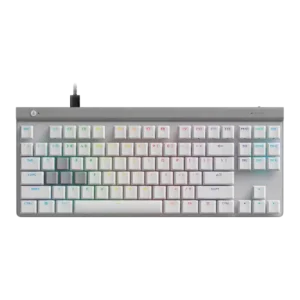
Size and form factor were consistently praised for the very slim 22mm low-profile build and compact TKL footprint.
Pros: build quality, gaming performance
Cons: typing feel, typing comfort

The 75% form factor was a major strength, balancing compactness with arrows, function keys, and everyday usability.
Pros: software quality, switch feel
Cons: legend visibility, extra gaming features
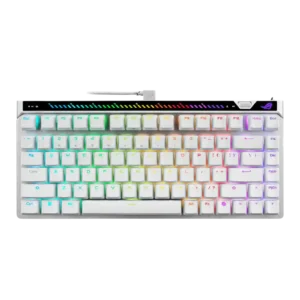
The form factor was widely praised as a sweet spot between compactness, familiarity, and daily usability.
Pros: switch feel, customization options
Cons: value for money, wireless performance

The size and form factor were viewed very positively as compact, low-profile, and suitable for work/play setups.
Pros: battery life, portability
Cons: volume control, switch options
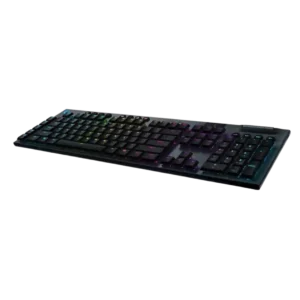
The thin form factor is heavily praised, but the full-size model is criticized by some for being very large.
Pros: battery life, wireless performance
Cons: value for money, wrist rest quality
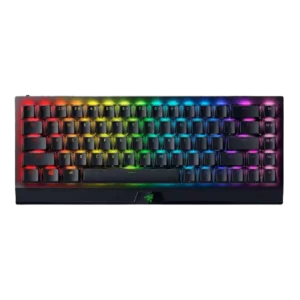
The compact 65% form factor was one of the strongest positives, repeatedly described as useful, functional, and well suited to gaming or travel.
Pros: size and form factor, switch feel
Cons: value for money, battery life
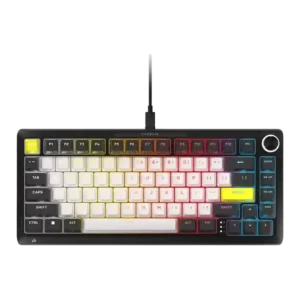
The 75% form factor was broadly praised as compact but practical, though the heavy chassis limited travel convenience.
Pros: typing feel, build quality
Cons: value for money, wireless performance
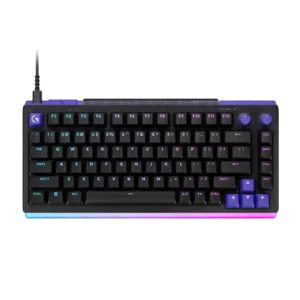
The compact 75% model favors mouse room and travel, while the 96/98% version preserves a numpad in a manageable footprint. Both feel substantial rather than low-profile.
Pros: overall satisfaction, design aesthetics
Cons: value for money, wrist rest quality

Size and form factor were praised as a practical 75% layout that balances gaming minimalism and productivity.
Pros: value for money, build quality
Cons: switch options, hot-swappable switches
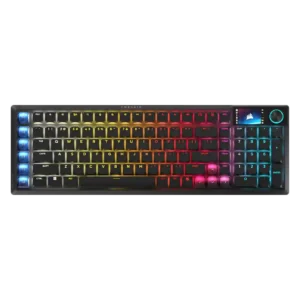
The slim 99% chassis is an effective middle ground for users who need a numpad but want less bulk. It is narrower than full size, though still larger than TKL...
Pros: overall satisfaction, macro customization
Cons: value for money, software quality

The scored evidence praises the 75% form factor for staying compact while retaining essential productivity and gaming keys.
Pros: value for money, software quality
Cons: switch options, ergonomics
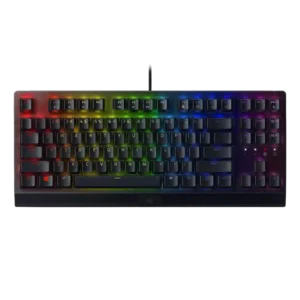
Size and form factor evidence came from TKL coverage, where the smaller layout was praised as compact.
Pros: RGB lighting quality, value for money
Cons: wrist rest quality, noise level

The slim low-profile TKL form factor was consistently liked for balancing compactness, desk fit, and a familiar key layout.
Pros: switch feel, battery life
Cons: volume control, media controls
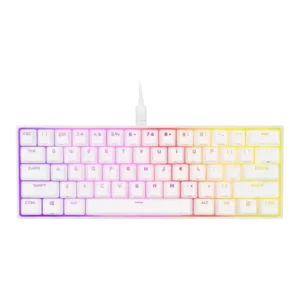
The compact 60% form factor was broadly praised for small size, portability, and fitting tight spaces.
Pros: switch feel, size and form factor
Cons: polling rate, value for money
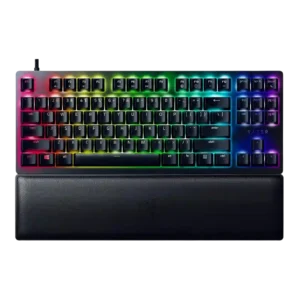
The TKL size was generally praised for compactness, portability, and gaming practicality without going as cramped as mini layouts.
Pros: wrist rest quality, polling rate
Cons: value for money, media controls
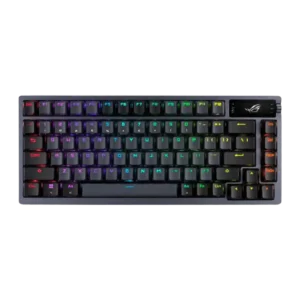
The form factor was praised for being compact without sacrificing as much function as 60% designs.
Pros: switch feel, typing feel
Cons: software quality, volume control

Size and form factor were praised by full-size users and stationary setups, but the same size contributes to poor portability.
Pros: build quality, keycap quality
Cons: switch options, portability
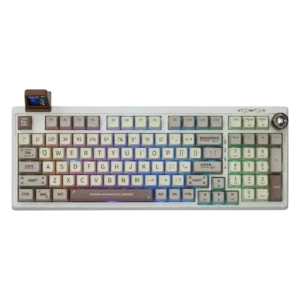
Size and form factor are widely liked because the RT100 keeps a numpad while remaining more compact than a traditional full-size board.
Pros: value for money, typing feel
Cons: software quality, reliability
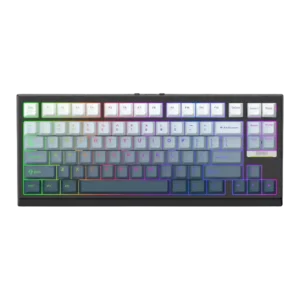
Size and form factor were broadly praised for compact functionality, though some users needed adjustment and one FPS-focused reviewer preferred smaller boards.
Pros: gaming performance, key responsiveness
Cons: compatibility

Size and form factor are mostly positive, especially the compact 75% model, though full-size reviewers warn about reduced mouse space.
Pros: typing feel, gaming performance
Cons: software quality, value for money

The 75% form factor was widely praised as compact while retaining important keys, though a few reviewers noted adjustment or cramped-layout compromises.
Pros: gaming performance, switch feel
Cons: value for money, extra gaming features
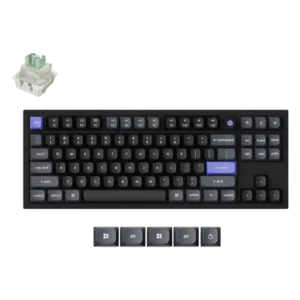
The 80% layout was described as precision-engineered for the target gaming audience.
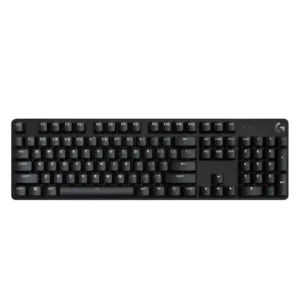
Size and form factor are broadly praised, with reviewers emphasizing compactness, low wasted space, and lightweight designs.
Pros: design aesthetics, keycap quality
Cons: value for money, software quality

Size and form factor were mostly praised for compact near-full-size functionality, but the same 96% format was also called awkward or cramped.
Pros: customization options, design aesthetics
Cons: switch options, key spacing
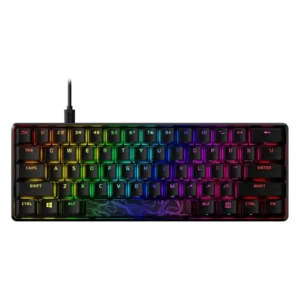
Size and form factor are praised for compactness and no-nonsense gaming use, though the smallest models involve compromises.
Pros: build quality, value for money
Cons: software quality, stabilizer quality

Size and form factor were mostly positive for compact TKL use, though reviewers noted it is not a travel-focused board.
Pros: build quality, switch feel
Cons: switch options
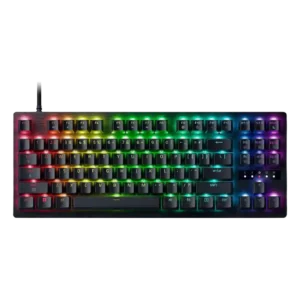
The TKL form factor is praised for being compact and backpack-friendly without feeling flimsy.
Pros: value for money, typing feel

Size and form factor were mostly positive for number-pad and full-layout usefulness, though one review also noted the large footprint.
Pros: typing feel, design aesthetics
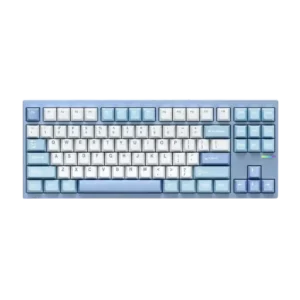
Size and form factor earned positive evidence from one reviewer who found TKL a comfortable step down from full-size keyboards.
Pros: customization options, build quality
Cons: connectivity

The 75% form factor was considered usable and not overly crowded, with enough keys for most needs outside a numpad.
Pros: design aesthetics, build quality
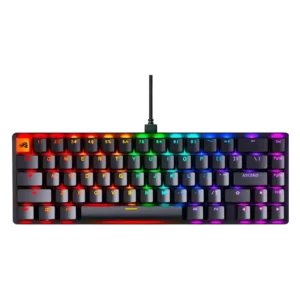
Size and form factor were generally praised for compactness and retained functionality, but reviewers mentioned learning curves or compressed key clusters.
Pros: switch feel, value for money
Cons: key spacing, actuation consistency
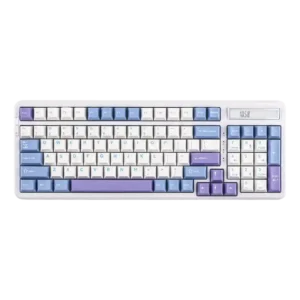
Size and form factor were mostly praised for keeping numpad utility in a compact body, with one reviewer noting sacrifices from the compressed layout.
Pros: RGB customization, keycap quality
Cons: frame rigidity, switch options

The 60% footprint is ideal for gamers who want maximum mouse room, but it can frustrate users who rely on dedicated editing, navigation, or function keys. One reviewer specifically preferred...
Pros: overall satisfaction, customization options
Cons: value for money, switch options

The MiniTKL/75% form factor was generally liked as compact and desk-friendly, with occasional complaints about cramped feel or missing full-size keys.
Pros: software quality, build quality
Cons: value for money, connectivity
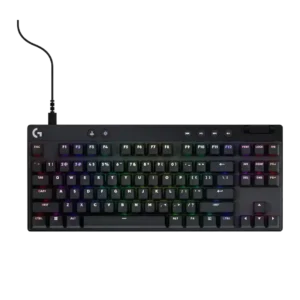
Size and form factor are a strength for competitive desk space, though 60% sacrifices make the layout more polarizing than TKL.
Pros: build quality, software quality
Cons: value for money, hot-swappable switches
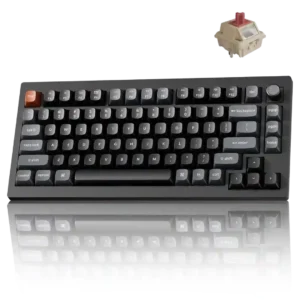
The compact 75% footprint is efficient and functional, but the keyboard is much taller than many boards and can feel bulky at the front edge.
Pros: gaming performance, overall satisfaction
Cons: polling rate, frame rigidity

Size and form factor were praised for slimness and compact TKL efficiency, but some reviewers still found layouts cramped or moderately sized.
Pros: value for money, battery life
Cons: hot-swappable switches, noise level

Size and form factor are useful but polarizing: reviewers like the compact 65%-in-60% footprint while noting cramped keys and adjustment time.
Pros: portability, value for money
Cons: software quality, key spacing
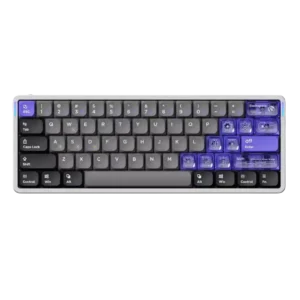
Size and form factor were usually praised for compactness and novelty, though one reviewer questioned the low-profile value because travel distance felt full-size.
Pros: software quality, switch feel
Cons: connectivity, layout options