
Overall: 4.4/5
The tandem OLED implementation delivers the cinematic blacks, depth, and color that make OLED especially compelling for movies.
Pros: picture quality, peak brightness
Cons: value for money, sound quality

Overall: 4.4/5
The tandem OLED implementation delivers the cinematic blacks, depth, and color that make OLED especially compelling for movies.
Pros: picture quality, peak brightness
Cons: value for money, sound quality
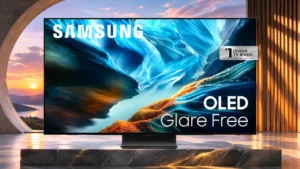
Overall: 4.1/5
The 77-inch model's RGB Tandem OLED structure delivers a real improvement over several other sizes in the series.
Pros: black levels, contrast ratio
Cons: Dolby Vision support, stutter handling
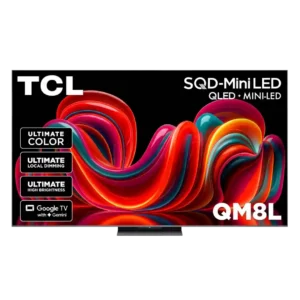
Overall: 4.4/5
TCL’s SQD Mini-LED system meaningfully improves color richness and overall picture quality, bringing premium panel performance to a less expensive tier.
Pros: picture quality, value for money
Cons: stand quality, judder handling
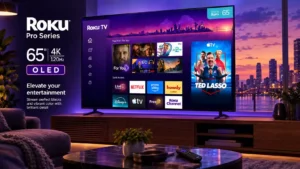
Overall: 4.1/5
OLED brings a crisp image, precise light control, and rich black tones at an accessible price. Limited brightness remains the central compromise.
Pros: contrast ratio, value for money
Cons: peak brightness, HDR brightness
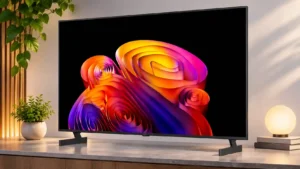
Overall: 4.0/5
Self-lit WOLED pixels deliver true blacks and bloom-free contrast, although the affordable panel is less luminous than premium OLED designs.
Pros: contrast ratio, black levels
Cons: reflection handling, color accuracy
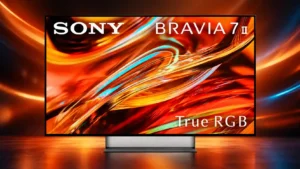
Overall: 4.2/5
True RGB is treated as a meaningful step forward for LCD, especially for color volume and backlight control. It narrows several OLED advantages without eliminating every LCD limitation.
Pros: overall satisfaction, picture quality
Cons: HDMI 2.1 port count, reflection handling
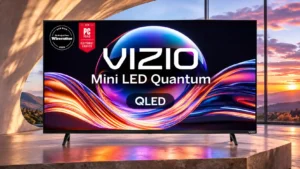
Overall: 2.9/5
Quantum dots and full-array mini-LED backlighting deliver unusually ambitious display hardware at this price, even though the local dimming implementation is imperfect.
Pros: value for money, picture quality
Cons: account requirements, gaming performance
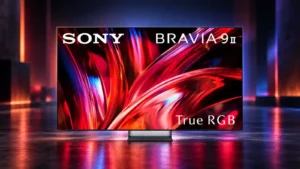
Overall: 4.3/5
Sony’s True RGB implementation is widely praised as one of the most convincing RGB-backlit LCD designs yet. The technology still carries LCD limits such as blooming and imperfect blacks.
Pros: overall satisfaction, overall image accuracy
Cons: value for money, bass performance

Overall: 4.1/5
The standard 42- to 65-inch models use an improved WOLED design, while select larger and 48-inch versions receive more advanced tandem OLED hardware. That split creates meaningful performance differences between...
Pros: picture quality, gaming performance
Cons: value for money, sound quality
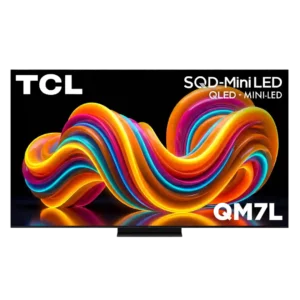
Overall: 3.9/5
SQD Mini-LED usually delivers brighter, richer color and impressive black levels for the price. A dissenting take argues the technology falls well short of its marketing and offers little meaningful...
Pros: peak brightness, picture quality
Cons: color accuracy, viewing angles
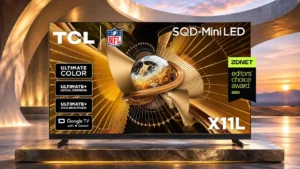
Overall: 4.0/5
Super Quantum Dot Mini-LED combines unusually wide color with very precise backlighting, a combination that often gets remarkably close to OLED-style contrast.
Pros: peak brightness, blooming control
Cons: value for money, motion clarity
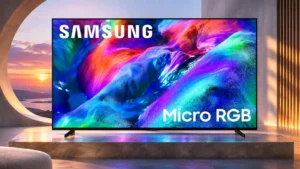
Overall: 3.8/5
RGB LED backlighting broadens the LCD color palette, but does not eliminate traditional compromises in black depth or zone control.
Pros: overall satisfaction, color gamut
Cons: value for money, local dimming performance

Overall: 4.5/5
OLED remains central to the S90H’s appeal, delivering self-emissive blacks, strong contrast and fast gaming response. The move away from QD-OLED in some sizes is the main tradeoff.
Pros: glare resistance, black levels
Cons: Dolby Vision support, color gamut
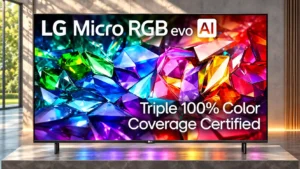
Overall: 4.0/5
RGB backlighting can produce exceptional brightness and eye-catching colors, yet its LCD foundation still shows familiar contrast limitations.
Pros: peak brightness, picture quality
Cons: value for money, viewing angles
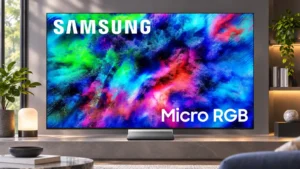
Overall: 3.7/5
The Micro RGB backlight offers unusually rich colors, a genuine strength for an LCD, but its practical advantage depends on the content and is not a full substitute for OLED...
Pros: color volume, overall satisfaction
Cons: value for money, color accuracy

Overall: 3.8/5
RGB Mini LED delivers unusually pure, bright color, making its benefits obvious with vivid source material. Color bleeding and a thicker backlight structure remain compromises.
Pros: picture quality, overall satisfaction
Cons: color crosstalk, value for money
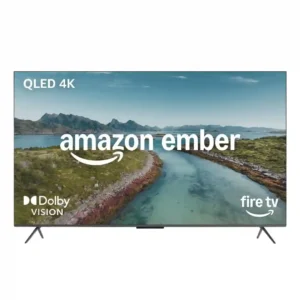
Overall: 3.3/5
Quantum-dot color and full-array dimming are meaningful upgrades over basic LED TVs, yet several reviewers criticize Amazon for staying with conventional LED/QLED backlighting when Mini-LED rivals are available at similar...
Pros: picture quality, overall satisfaction
Cons: value for money, reliability
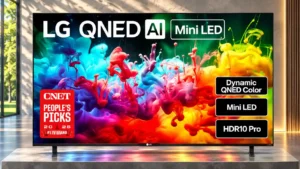
Overall: 3.4/5
The Mini LED label does not bring the high-contrast local dimming buyers may expect from premium Mini LED sets.
Pros: picture quality, color accuracy
Cons: remote control quality, black levels

Overall: 3.1/5
The compact LEDs do not translate into the independently controlled backlight zones buyers often associate with Mini LED sets.
Pros: gaming performance, color accuracy
Cons: value for money, overall satisfaction
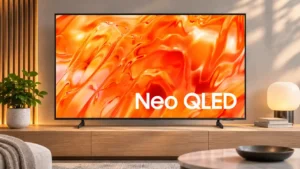
Overall: 3.1/5
Edge-lit Mini LED construction permits a thin body but delivers noticeably weaker local dimming than direct-lit alternatives.
Pros: picture quality, overall satisfaction
Cons: sound quality, black levels
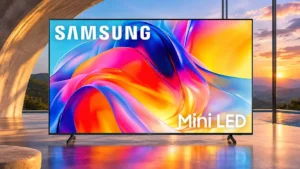
Overall: 2.6/5
The entry-level LCD hardware falls far short of the advanced, independently controlled Mini LED performance the branding may suggest.
Pros: sound quality, picture quality
Cons: value for money, local dimming performance