Best for display technology
LG G6
5.0 attribute score
Highest scored product for this attribute based on supporting review evidence.

Highest scored product for this attribute based on supporting review evidence.
Balances the attribute score, supporting reviews, and overall product strength.
Has the broadest review evidence for this attribute.
Strongest overall product among items with scored evidence for this attribute.

Overall: 4.4/5
The tandem OLED implementation delivers the cinematic blacks, depth, and color that make OLED especially compelling for movies.
Pros: picture quality, peak brightness
Cons: value for money, sound quality
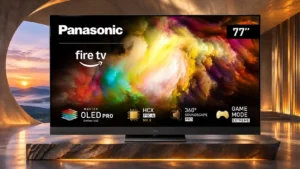
Overall: 4.0/5
OLED's pixel-level lighting brings intense blacks, clear contrasts and wider angles than conventional LED displays.
Pros: overall satisfaction, picture quality
Cons: size options, value for money
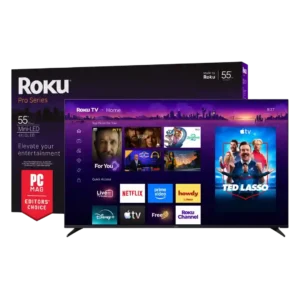
Overall: 4.4/5
Mini-LED/QLED is viewed as a meaningful step up from standard LED, delivering deeper blacks, stronger contrast, and more vivid color.
Pros: overall satisfaction, picture quality
Cons: reliability, portability and versatility
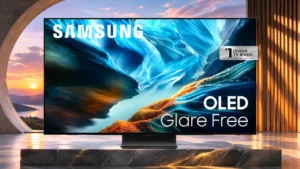
Overall: 4.1/5
The 77-inch model's RGB Tandem OLED structure delivers a real improvement over several other sizes in the series.
Pros: black levels, contrast ratio
Cons: Dolby Vision support, stutter handling

Overall: 3.9/5
OLED’s pixel-level lighting and the QD-OLED color advantages make this an appealing picture-focused set, especially in the smaller North American sizes.
Pros: color volume, black levels
Cons: Inconsistent panel and coating by size, sound quality
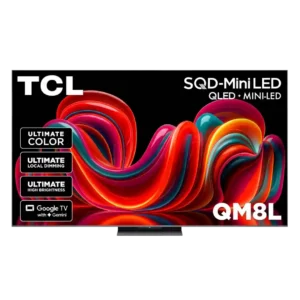
Overall: 4.4/5
TCL’s SQD Mini-LED system meaningfully improves color richness and overall picture quality, bringing premium panel performance to a less expensive tier.
Pros: picture quality, value for money
Cons: stand quality, judder handling
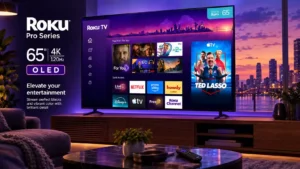
Overall: 4.1/5
OLED brings a crisp image, precise light control, and rich black tones at an accessible price. Limited brightness remains the central compromise.
Pros: contrast ratio, value for money
Cons: peak brightness, HDR brightness
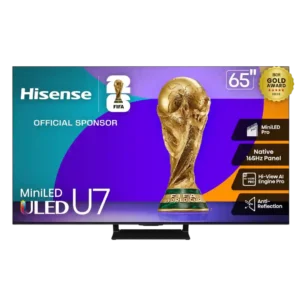
Overall: 4.0/5
The Mini-LED backlight is repeatedly credited with producing a brighter, higher-contrast image than basic LED sets at a relatively accessible price.
Pros: overall satisfaction, picture quality
Cons: reliability, build quality
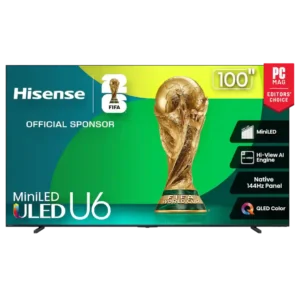
Overall: 4.2/5
Mini-LED backlighting is widely treated as a major reason this budget set punches above its class, especially for contrast and local light control. One source credits it directly for the...
Pros: overall satisfaction, value for money
Cons: smart TV platform, blooming control
Overall: 4.0/5
Self-lit WOLED pixels deliver true blacks and bloom-free contrast, although the affordable panel is less luminous than premium OLED designs.
Pros: contrast ratio, black levels
Cons: reflection handling, color accuracy
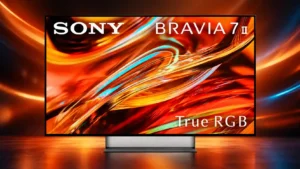
Overall: 4.2/5
True RGB is treated as a meaningful step forward for LCD, especially for color volume and backlight control. It narrows several OLED advantages without eliminating every LCD limitation.
Pros: overall satisfaction, picture quality
Cons: HDMI 2.1 port count, reflection handling
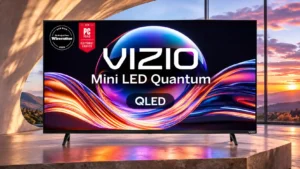
Overall: 2.9/5
Quantum dots and full-array mini-LED backlighting deliver unusually ambitious display hardware at this price, even though the local dimming implementation is imperfect.
Pros: value for money, picture quality
Cons: account requirements, gaming performance
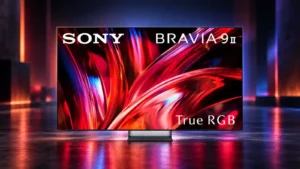
Overall: 4.3/5
Sony’s True RGB implementation is widely praised as one of the most convincing RGB-backlit LCD designs yet. The technology still carries LCD limits such as blooming and imperfect blacks.
Pros: overall satisfaction, overall image accuracy
Cons: value for money, bass performance

Overall: 4.1/5
The standard 42- to 65-inch models use an improved WOLED design, while select larger and 48-inch versions receive more advanced tandem OLED hardware. That split creates meaningful performance differences between...
Pros: picture quality, gaming performance
Cons: value for money, sound quality
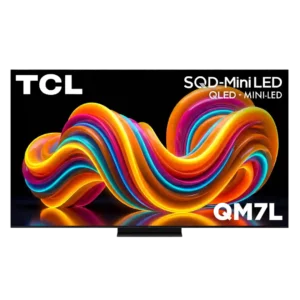
Overall: 3.9/5
SQD Mini-LED usually delivers brighter, richer color and impressive black levels for the price. A dissenting take argues the technology falls well short of its marketing and offers little meaningful...
Pros: peak brightness, picture quality
Cons: color accuracy, viewing angles
Overall: 3.9/5
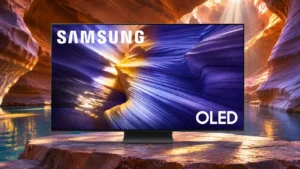
OLED’s pixel-level light control provides deep blacks and contrast, while the QD-OLED versions add particularly rich, bright color.
Pros: value for money, overall satisfaction
Cons: Dolby Vision support, sound quality
Overall: 4.0/5
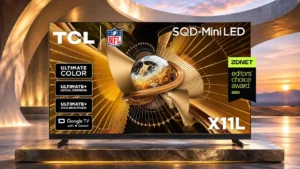
Super Quantum Dot Mini-LED combines unusually wide color with very precise backlighting, a combination that often gets remarkably close to OLED-style contrast.
Pros: peak brightness, blooming control
Cons: value for money, motion clarity
Overall: 3.8/5
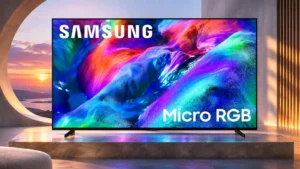
RGB LED backlighting broadens the LCD color palette, but does not eliminate traditional compromises in black depth or zone control.
Pros: overall satisfaction, color gamut
Cons: value for money, local dimming performance

Overall: 4.5/5
OLED remains central to the S90H’s appeal, delivering self-emissive blacks, strong contrast and fast gaming response. The move away from QD-OLED in some sizes is the main tradeoff.
Pros: glare resistance, black levels
Cons: Dolby Vision support, color gamut
Overall: 3.9/5
QD-OLED is a major part of the appeal, combining OLED black control with unusually strong color and brightness performance.
Pros: gaming performance, peak brightness
Cons: HDMI 2.1 support, HDMI 2.1 port count
Overall: 4.0/5
RGB backlighting can produce exceptional brightness and eye-catching colors, yet its LCD foundation still shows familiar contrast limitations.
Pros: peak brightness, picture quality
Cons: value for money, viewing angles
Overall: 4.2/5
LG’s four-stack Primary RGB Tandem OLED panel brings a substantial step up in brightness and color over prior WOLED models. The biggest size uses different, less capable panel hardware.
Pros: overall satisfaction, picture quality
Cons: banding control, remote control quality
Overall: 3.7/5
The Micro RGB backlight offers unusually rich colors, a genuine strength for an LCD, but its practical advantage depends on the content and is not a full substitute for OLED...
Pros: color volume, overall satisfaction
Cons: value for money, color accuracy

Overall: 3.8/5
RGB Mini LED delivers unusually pure, bright color, making its benefits obvious with vivid source material. Color bleeding and a thicker backlight structure remain compromises.
Pros: picture quality, overall satisfaction
Cons: color crosstalk, value for money

Overall: 3.3/5
The basic LCD architecture can offer respectable native contrast on VA-panel examples, but the absence of zone-by-zone backlight control limits the result.
Pros: color accuracy, upscaling quality
Cons: picture quality, sound quality
Overall: 3.0/5
QLED color gives a modest advantage over basic LCD technology but does not bring OLED-like blacks or mini-LED contrast.
Pros: color accuracy, Picture detail
Cons: HDR performance, motion clarity
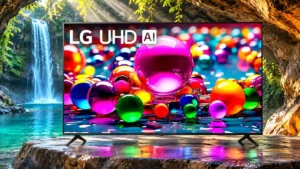
Overall: 3.0/5
The IPS-type panel favors wide viewing angles over deep blacks, an important image-quality tradeoff.
Pros: viewing angles, smart TV platform
Cons: overall satisfaction, refresh rate
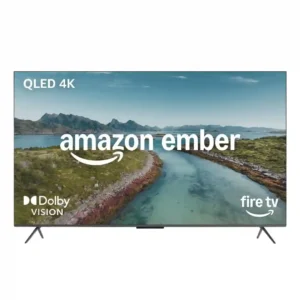
Overall: 3.3/5
Quantum-dot color and full-array dimming are meaningful upgrades over basic LED TVs, yet several reviewers criticize Amazon for staying with conventional LED/QLED backlighting when Mini-LED rivals are available at similar...
Pros: picture quality, overall satisfaction
Cons: value for money, reliability
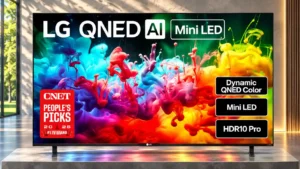
Overall: 3.4/5
The Mini LED label does not bring the high-contrast local dimming buyers may expect from premium Mini LED sets.
Pros: picture quality, color accuracy
Cons: remote control quality, black levels
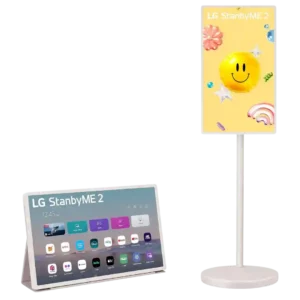
Overall: 3.8/5
The QHD LCD and edge-lit backlight are practical for a portable screen but limit the picture ceiling. Reviewers repeatedly contrast its panel behavior with more cinematic OLED or Mini-LED displays.
Pros: overall satisfaction, portability and versatility
Cons: value for money, menu responsiveness

Overall: 3.1/5
The compact LEDs do not translate into the independently controlled backlight zones buyers often associate with Mini LED sets.
Pros: gaming performance, color accuracy
Cons: value for money, overall satisfaction
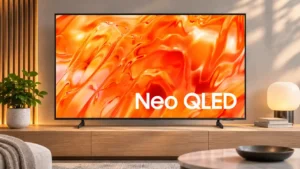
Overall: 3.1/5
Edge-lit Mini LED construction permits a thin body but delivers noticeably weaker local dimming than direct-lit alternatives.
Pros: picture quality, overall satisfaction
Cons: sound quality, black levels
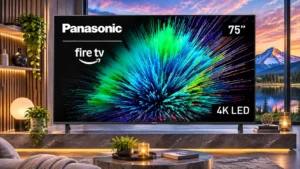
Overall: 3.3/5
Its basic LED panel keeps the price accessible, but its dated design and lack of fine backlight control substantially limit the picture.
Pros: picture quality, motion handling
Cons: HDR performance, HDR brightness
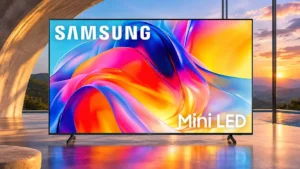
Overall: 2.6/5
The entry-level LCD hardware falls far short of the advanced, independently controlled Mini LED performance the branding may suggest.
Pros: sound quality, picture quality
Cons: value for money, local dimming performance