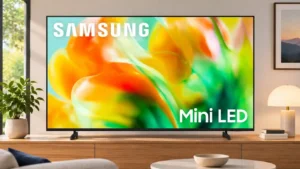
Overall: 3.1/5
Compatible gaming PCs can feed the TV native-resolution 4K at up to 144Hz through any of its three HDMI ports.
Pros: gaming performance, color accuracy
Cons: value for money, overall satisfaction

Overall: 3.1/5
Compatible gaming PCs can feed the TV native-resolution 4K at up to 144Hz through any of its three HDMI ports.
Pros: gaming performance, color accuracy
Cons: value for money, overall satisfaction
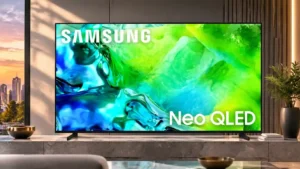
Overall: 3.8/5
The larger versions can accept 4K at up to 144Hz, making their HDMI connections unusually flexible for gaming. The 50-inch version has a notably more limited refresh-rate panel.
Pros: picture quality, contrast ratio
Cons: blooming control, glare resistance
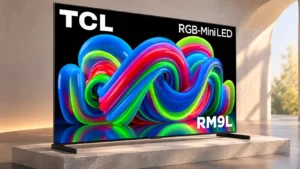
Overall: 3.8/5
Every HDMI port handles 4K at 144Hz, giving high-refresh PCs and consoles flexible connection options without needing a special input.
Pros: picture quality, overall satisfaction
Cons: color crosstalk, value for money
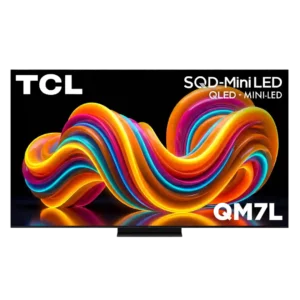
Overall: 3.9/5
The QM7L supports 4K/144Hz for PC gaming, and the feature is repeatedly praised as a strong value at this tier.
Pros: peak brightness, picture quality
Cons: color accuracy, viewing angles
Overall: 3.8/5
The TV accepts 4K at 144Hz for suitably equipped PCs; high refresh-rate support is a genuine strength even if pixel response limits clarity.
Pros: overall satisfaction, color gamut
Cons: value for money, local dimming performance

Overall: 4.4/5
HDR gaming can run at 4K/144Hz on compatible hardware, giving high-end PC players plenty of headroom.
Pros: picture quality, peak brightness
Cons: value for money, sound quality

Overall: 3.5/5
A compatible gaming PC can drive 4K at 144Hz, giving the Frame an unusually capable gaming signal range for an art-focused television.
Pros: art display mode, design and appearance
Cons: overall satisfaction, HDMI port accessibility
Overall: 3.8/5
The screen accepts 4K at up to 144 Hz for compatible PCs. Its pixel response remains slow even at the highest supported refresh rate.
Pros: cable management, design and appearance
Cons: value for money, Dolby Vision support
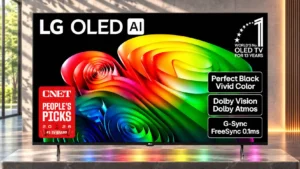
Overall: 3.8/5
Several comparisons praise 144Hz with VRR as a bonus for PC gaming, while console play remains centered on 120Hz.
Pros: value for money, peak brightness
Cons: color accuracy, stand quality
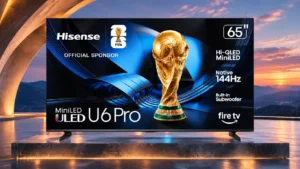
Overall: 4.1/5
A native 144Hz panel offers extra headroom for connected PCs and full 4K/120Hz support for modern consoles. The high refresh ceiling does not eliminate pixel-response blur.
Pros: overall satisfaction, value for money
Cons: Smart TV platform, advertising intrusiveness
Overall: 4.3/5
A 144Hz 4K mode gives PC players more headroom than typical inexpensive TVs; the refresh rate outpaces the panel's pixel response.
Pros: picture quality, black levels
Cons: bass performance, HDR brightness
Overall: 4.1/5
All four HDMI connections support 4K at 144Hz, a useful advantage for compatible gaming PCs. The ability to accept those signals is much stronger than the clarity of fast-moving images.
Pros: picture quality, black levels
Cons: viewing angles, motion clarity
Overall: 4.4/5
All four premium inputs can handle 4K/144Hz, making the TV unusually flexible for multiple consoles and PCs. One source wished the ceiling reached 165Hz.
Pros: picture quality, value for money
Cons: stand quality, judder handling
Overall: 4.0/5
The 4K/144Hz capability is useful for PC gaming, with the practical benefit limited by response-time blur.
Pros: peak brightness, blooming control
Cons: value for money, motion clarity
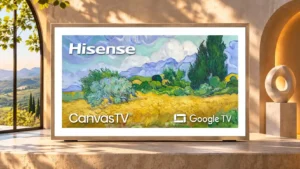
Overall: 3.8/5
4K 144Hz input is available on two HDMI connections, but very slow pixel response prevents fully crisp high-speed motion.
Pros: picture quality, color accuracy
Cons: HDR performance, sound quality
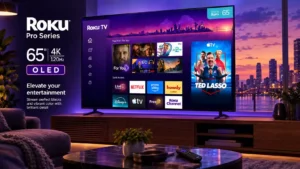
Overall: 4.1/5
Gamers who require 144Hz are directed toward the step-up LX rather than this 120Hz model.
Pros: contrast ratio, value for money
Cons: peak brightness, HDR brightness
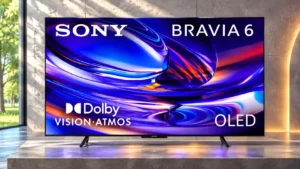
Overall: 3.8/5
The TV tops out at 120Hz even at 4K, while some similarly priced OLED rivals can accept higher 4K refresh rates. High-frame-rate PC enthusiasts have faster alternatives.
Pros: HDMI 2.1 port count, Video input versatility
Cons: value for money, overall satisfaction
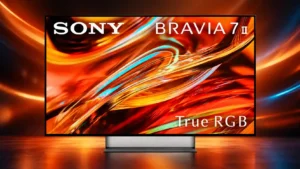
Overall: 4.2/5
The TV tops out at 120Hz at 4K, leaving PC gamers without the 144Hz-and-higher options available on several rivals.
Pros: overall satisfaction, picture quality
Cons: HDMI 2.1 port count, reflection handling
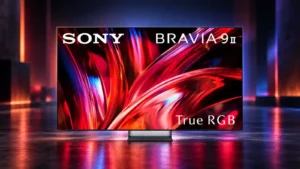
Overall: 4.3/5
The 120Hz ceiling is a limitation for high-end PC gaming, with rivals already offering 144Hz or 165Hz at 4K.
Pros: overall satisfaction, overall image accuracy
Cons: value for money, bass performance
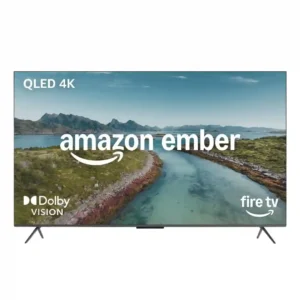
Overall: 3.3/5
The TV cannot match Amazon’s Mini-LED model or gaming-focused rivals at 144Hz. Its 60Hz ceiling makes 144Hz support effectively absent.
Pros: picture quality, overall satisfaction
Cons: value for money, reliability