#1
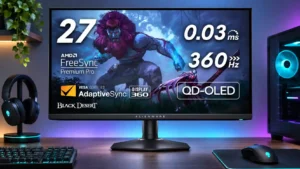
Overall: 4.2/5
Variable refresh rate works smoothly across supported modes in many setups, although its benefits diminish when frame rates fluctuate enough to cause flicker.
Pros: competitive gaming suitability, color gamut
Cons: brightness, HDMI 2.1 support
#2
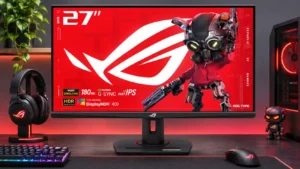
Overall: 3.8/5
Both major PC adaptive-sync ecosystems are supported, helping reduce tearing without demanding one graphics-card brand.
Pros: value for money, Resolution
Cons: HDR performance, port selection
#3
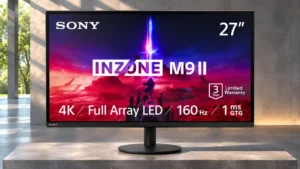
Overall: 3.9/5
Adaptive refresh works well with modern consoles and PCs and can make fluctuating frame rates look noticeably smoother.
Pros: color gamut, stand adjustability
Cons: value for money, Bass reproduction
#4
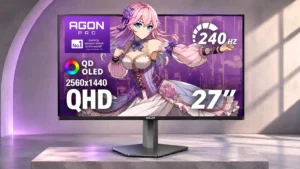
Overall: 4.0/5
Adaptive-Sync spans a useful refresh range and low-frame-rate compensation keeps tearing and stutter in check as performance fluctuates.
Pros: value for money, overall satisfaction
Cons: HDR performance, HDMI 2.1 support
#5
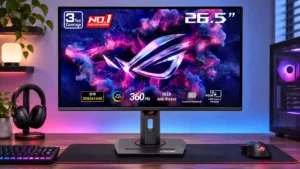
Overall: 4.4/5
FreeSync, G-SYNC Compatible and HDMI VRR give good support across modern hardware, though some settings require care to avoid disabling the feature.
Pros: color gamut, overall satisfaction
Cons: reflection handling, VRR flicker
#6
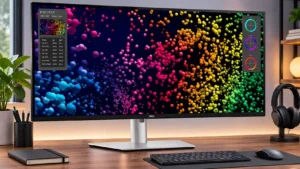
Overall: 4.4/5
FreeSync/G-Sync-style variable refresh operation has worked well in several setups, reducing tearing for casual gaming.
Pros: overall picture quality, color accuracy
Cons: value for money, built-in speakers
#7
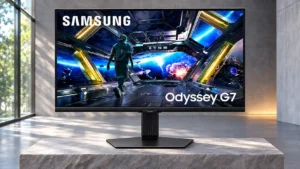
Overall: 3.1/5
Support for common variable-refresh formats makes it easy to pair the display with different gaming systems and avoid tearing.
Pros: PC gaming compatibility, overall picture quality
Cons: overall satisfaction, Smart TV platform
#8
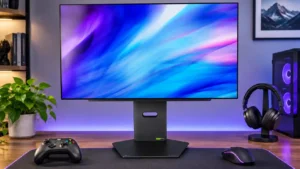
Overall: 4.0/5
Official FreeSync and G-SYNC support gives AMD and Nvidia owners flexible, tear-reducing operation; the separate flicker issue remains a caveat.
Pros: refresh rate, competitive gaming suitability
Cons: value for money, brightness
#9
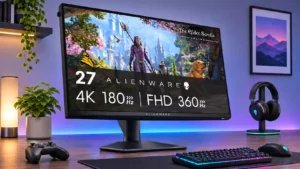
Overall: 3.9/5
Variable-refresh support works across PC gaming modes and modern consoles, helping keep play smooth without tearing.
Pros: Resolution, refresh rate
Cons: HDR performance, contrast
#10
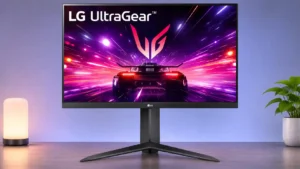
Overall: 3.3/5
Support for both major graphics-card VRR ecosystems makes synchronization flexible. Its stable operation reduces tearing even as frame rates fluctuate.
Pros: adaptive sync performance, response time
Cons: HDR performance, console gaming compatibility
#11
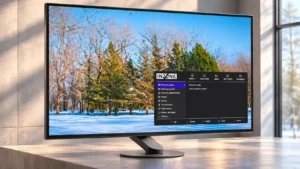
Overall: 4.2/5
Broad VRR compatibility works well across PCs and supported consoles, but flicker and some connection-status quirks may affect particular setups. Compatibility is better than uniform smoothness in every situation.
Pros: refresh rate, overall satisfaction
Cons: value for money, port selection
#12
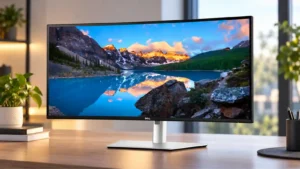
Overall: 4.0/5
Variable refresh rate over HDMI adds useful flexibility for occasional gaming. The support is limited by connection path rather than being a broad gaming-focused implementation.
Pros: overall satisfaction, productivity versatility
Cons: value for money, reliability over time
#13
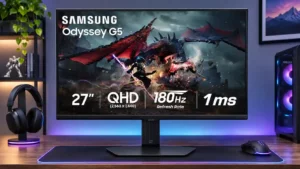
Overall: 3.6/5
G-SYNC and FreeSync are praised on PCs, but PS5 VRR compatibility is a significant exception.
Pros: stand adjustability, competitive gaming suitability
Cons: value for money, port selection
#14
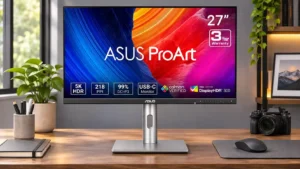
Overall: 4.1/5
VESA MediaSync can help steady frame pacing near 60fps but is less versatile than gaming-oriented high-refresh VRR.
Pros: color accuracy, overall picture quality
Cons: HDR performance, refresh rate
#15
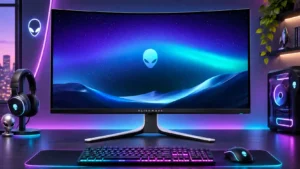
Overall: 3.6/5
G-SYNC, FreeSync and variable refresh support help keep frame delivery smooth across PCs and consoles, with occasional flicker in challenging scenes.
Pros: overall satisfaction, brightness
Cons: Dolby Vision support, VRR flicker
#16
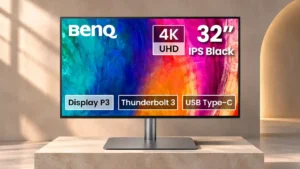
Overall: 4.4/5
The monitor lacks adaptive refresh support, making frame pacing and tearing more of a concern in games. It is a clear compromise against modern gaming screens.
Pros: color accuracy, stand adjustability
Cons: built-in speakers, Desk footprint
