
A single seamless panel can replace a two-screen arrangement and reduce head turning, though it cannot reposition its two halves independently.
Pros: overall picture quality, color accuracy
Cons: value for money, built-in speakers

A single seamless panel can replace a two-screen arrangement and reduce head turning, though it cannot reposition its two halves independently.
Pros: overall picture quality, color accuracy
Cons: value for money, built-in speakers
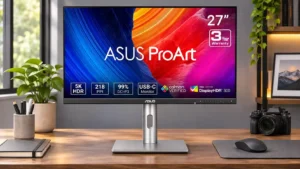
Its compact base and flexibility let it pair with another screen, even at a different resolution.
Pros: color accuracy, overall picture quality
Cons: HDR performance, refresh rate
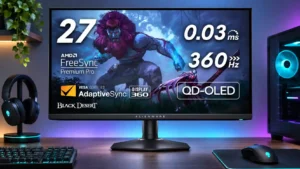
The 27-inch panel can fit neatly beside additional monitors, providing high-end gaming without demanding an oversized footprint.
Pros: competitive gaming suitability, color gamut
Cons: brightness, HDMI 2.1 support
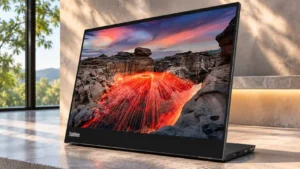
It excels as an extra laptop screen for chat, office apps, and creative tools, particularly when working away from a usual desk. Compatibility with the host USB-C port is essential.
Pros: overall picture quality, Stylus usability
Cons: port selection, refresh rate

Thin bezels and an accommodating shape work well alongside another display, without demanding an especially complex mounting arrangement.
Pros: color gamut, overall satisfaction
Cons: reflection handling, VRR flicker
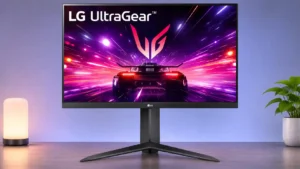
Compact size, stable IPS angles, and portrait rotation make it a useful secondary monitor for code or documents.
Pros: adaptive sync performance, response time
Cons: HDR performance, console gaming compatibility
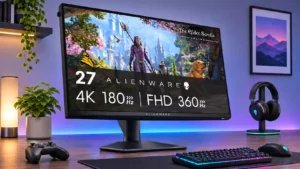
Thin framing and the 27-inch size can work well in a multi-screen workspace, although edge darkening may stand out beside a more uniform display.
Pros: Resolution, refresh rate
Cons: HDR performance, contrast