#1
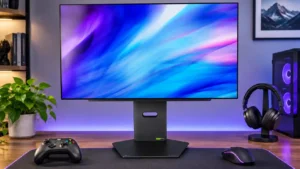
HDR is especially captivating when bright effects appear against deep black surroundings. Some comparisons favor newer OLEDs for sustained brightness, but the older panel can track intended HDR tones more...
Pros: refresh rate, competitive gaming suitability
Cons: value for money, brightness
#2
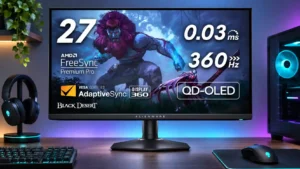
OLED contrast, color and concentrated highlights make HDR games and films appealing, but sustained bright scenes are less impactful than on strong Mini-LED displays.
Pros: competitive gaming suitability, color gamut
Cons: brightness, HDMI 2.1 support
#3

Deep blacks and vivid QD-OLED color create dramatic HDR images, particularly in dark scenes; bright full-screen scenes and some tone-mapping choices are less convincing.
Pros: color gamut, overall satisfaction
Cons: reflection handling, VRR flicker
#4
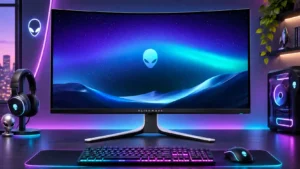
The standout strength is excellent per-pixel HDR contrast, rich color and high-impact highlights. Maximum brightness on large bright areas is lower than good mini-LED displays, and preset behavior matters.
Pros: overall satisfaction, brightness
Cons: Dolby Vision support, VRR flicker
#5
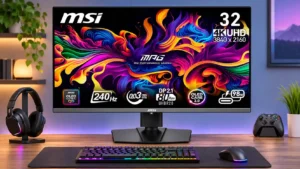
Excellent blacks and punchy small highlights can make HDR games and films stunning. Bright scenes, ambient light and aggressive dimming keep the experience from being flawless.
Pros: overall satisfaction, DisplayPort connectivity
Cons: value for money, reliability over time
#6
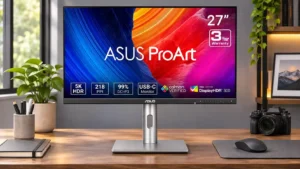
HDR is usable for basic previewing or occasional viewing, but large edge-lit zones and limited black depth fall short of serious HDR mastering and cinematic contrast.
Pros: color accuracy, overall picture quality
Cons: HDR performance, refresh rate
#7
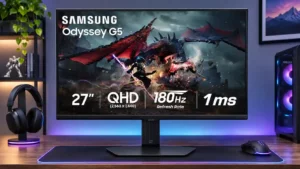
HDR impressions are divided: some find it passable for the price, while more demanding assessments point to dull highlights, weak contrast and ineffective dimming.
Pros: stand adjustability, competitive gaming suitability
Cons: value for money, port selection
#8

HDR is widely considered the clearest picture-quality weakness: insufficient local control leaves bright highlights less dramatic and dark backgrounds gray.
Pros: overall picture quality, color accuracy
Cons: value for money, built-in speakers
#9
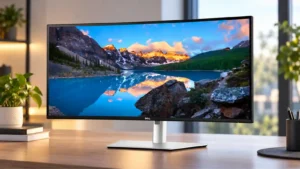
HDR is one of the least consistent strengths: several hands-on testers say true HDR is missing or unimpressive, while another source presents DisplayHDR 600 capability positively. Buyers focused on impactful...
Pros: overall satisfaction, productivity versatility
Cons: value for money, reliability over time
#10
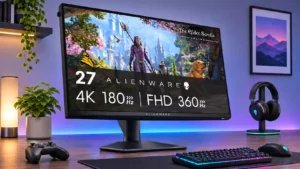
Reviews are split: some find satisfying brightness and color, while others call HDR flat and unconvincing. Weak dark-scene contrast and crude edge dimming are the recurring caveats.
Pros: Resolution, refresh rate
Cons: HDR performance, contrast
#11
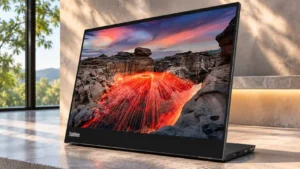
The lack of HDR is a missed opportunity on an otherwise attractive image. Viewers using HDR-capable laptops will not get equivalent highlights or dynamic range here.
Pros: overall picture quality, Stylus usability
Cons: port selection, refresh rate
#12
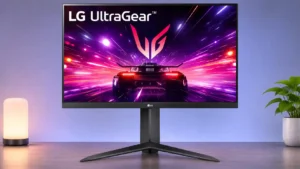
HDR support adds little real impact: modest brightness, poor blacks, and no local dimming prevent dramatic highlights. SDR is the better-looking mode.
Pros: adaptive sync performance, response time
Cons: HDR performance, console gaming compatibility
#13
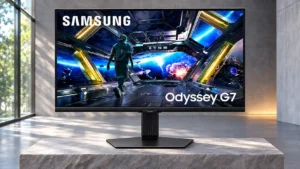
HDR is one of the monitor’s weakest areas. Limited contrast, ineffective dimming and underwhelming highlights keep it well short of a convincing cinematic HDR image.
Pros: PC gaming compatibility, overall picture quality
Cons: overall satisfaction, Smart TV platform
#14
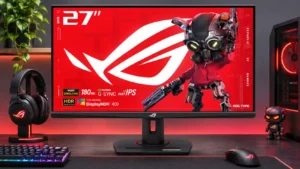
HDR400 can add a little color and brightness excitement, but poor blacks and no local dimming prevent convincing HDR highlights.
Pros: value for money, Resolution
Cons: HDR performance, port selection
