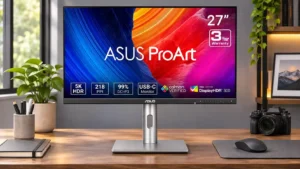
Strong SDR brightness gives this display ample headroom for sunlit studios. Some presets restrict luminance or need lowering for comfortable indoor work.
Pros: color accuracy, overall picture quality
Cons: HDR performance, refresh rate

Strong SDR brightness gives this display ample headroom for sunlit studios. Some presets restrict luminance or need lowering for comfortable indoor work.
Pros: color accuracy, overall picture quality
Cons: HDR performance, refresh rate
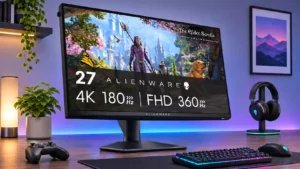
High SDR brightness is a consistent strength, frequently measured near or above 450 nits. HDR brightness results vary by mode and test, and small highlights are not always punchy.
Pros: Resolution, refresh rate
Cons: HDR performance, contrast
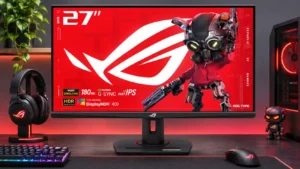
SDR brightness is punchy enough for ordinary indoor gaming and many brighter rooms. Turning on ELMB cuts that headroom substantially.
Pros: value for money, Resolution
Cons: HDR performance, port selection
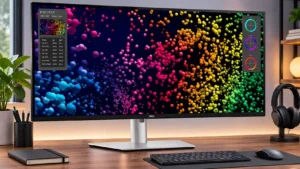
Day-to-day SDR brightness generally satisfies office work, but opinions differ in sunny rooms and the peak brightness falls short of a standout HDR display.
Pros: overall picture quality, color accuracy
Cons: value for money, built-in speakers
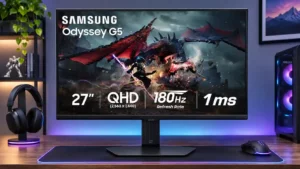
SDR output is a consistent strength for normally lit rooms, although HDR highlights and very bright spaces expose its limits.
Pros: stand adjustability, competitive gaming suitability
Cons: value for money, port selection
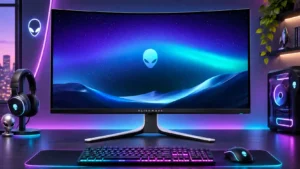
SDR brightness is enough for most controlled rooms but modest beside bright LCDs. HDR can deliver much stronger small highlights than full-screen white scenes.
Pros: overall satisfaction, brightness
Cons: Dolby Vision support, VRR flicker
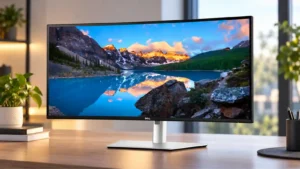
Brightness is generally sufficient for office use and even bright rooms, though measurements from some testers are modest compared with premium rivals. A few owners actually find the display brighter...
Pros: overall satisfaction, productivity versatility
Cons: value for money, reliability over time
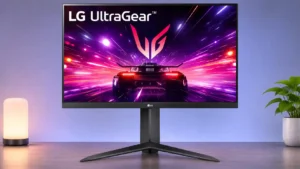
The panel is bright enough for most indoor desks, with one test finding stronger-than-average SDR output. Direct sunlight can still overpower it.
Pros: adaptive sync performance, response time
Cons: HDR performance, console gaming compatibility
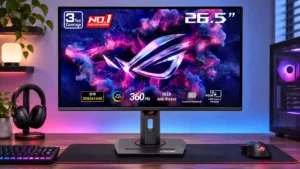
It stands out among several QD-OLED competitors in SDR and can deliver striking small HDR peaks, but broad bright HDR scenes remain comparatively dim.
Pros: color gamut, overall satisfaction
Cons: reflection handling, VRR flicker
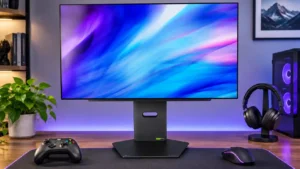
Brightness is generally adequate for a gaming room and HDR highlights stand out, but sunny offices and the newest OLED rivals reveal its limitations.
Pros: refresh rate, competitive gaming suitability
Cons: value for money, brightness
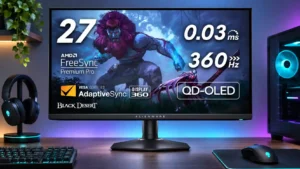
Small bright details can look dazzling, but full-screen SDR brightness is modest and heavily lit rooms expose its limits. Experiences with actual brightness vary across modes and tests.
Pros: competitive gaming suitability, color gamut
Cons: brightness, HDMI 2.1 support
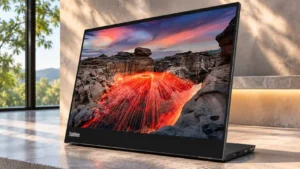
Experiences differ on whether its roughly 245–250-nit measured brightness is adequate for the portable category. It can look good indoors, but falls short when daylight or reflections increase.
Pros: overall picture quality, Stylus usability
Cons: port selection, refresh rate
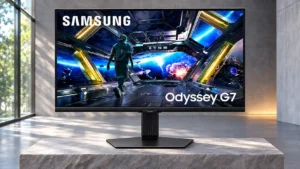
SDR brightness is often sufficient for ordinary rooms, but HDR highlights lack impact and at least one owner found the display disappointingly dim.
Pros: PC gaming compatibility, overall picture quality
Cons: overall satisfaction, Smart TV platform
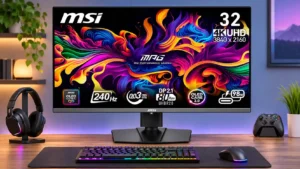
Small HDR highlights can look intense, but full-screen SDR brightness and bright outdoor HDR scenes are comparatively muted. Some owners nevertheless find the panel bright enough indoors.
Pros: overall satisfaction, DisplayPort connectivity
Cons: value for money, reliability over time