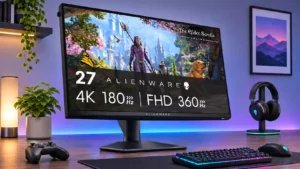
The 4K mode looks crisp and colorful for relaxed or story-driven play, with plenty of refresh-rate headroom even without switching to 360Hz.
Pros: Resolution, refresh rate
Cons: HDR performance, contrast

The 4K mode looks crisp and colorful for relaxed or story-driven play, with plenty of refresh-rate headroom even without switching to 360Hz.
Pros: Resolution, refresh rate
Cons: HDR performance, contrast
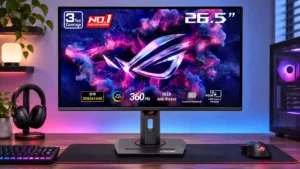
Quick response, vivid imagery, and smooth panning make everyday games a pleasure even when they cannot reach the full 360Hz.
Pros: color gamut, overall satisfaction
Cons: reflection handling, VRR flicker
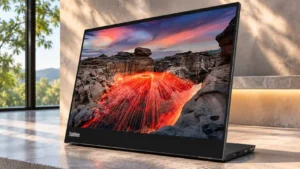
Simple games and occasional 60fps play can look lovely, and one traveler found the refresh rate unobtrusive. It is an entertainment extra, not a competitive display.
Pros: overall picture quality, Stylus usability
Cons: port selection, refresh rate
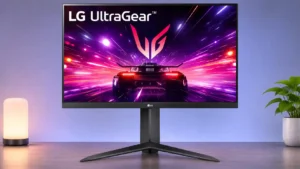
Casual gamers get fluid 1080p play, adaptive synchronization, and an accessible price without needing premium extras.
Pros: adaptive sync performance, response time
Cons: HDR performance, console gaming compatibility
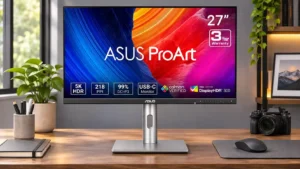
Slower-paced games remain enjoyable in 5K, but 60Hz motion is not ideal for rapid action.
Pros: color accuracy, overall picture quality
Cons: HDR performance, refresh rate
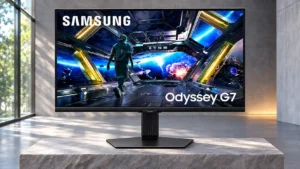
Good overall response and crisp 4K make varied games enjoyable even if the monitor is not a leading pure-performance bargain.
Pros: PC gaming compatibility, overall picture quality
Cons: overall satisfaction, Smart TV platform
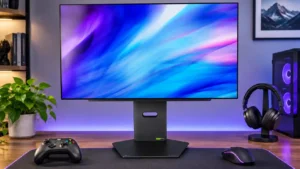
Ordinary gaming benefits from lovely OLED imagery and quick response, but many less competitive players will be satisfied with an inexpensive 240Hz screen.
Pros: refresh rate, competitive gaming suitability
Cons: value for money, brightness
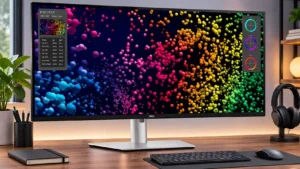
Games can look expansive and feel smooth at 120Hz, but slow pixel transitions and the demanding resolution make it a secondary gaming display rather than a dedicated one.
Pros: overall picture quality, color accuracy
Cons: value for money, built-in speakers