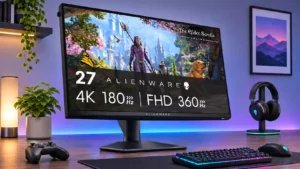
Height, tilt, swivel and pivot are broadly praised for smooth, flexible positioning, although desk clearance may constrain a full turn on some setups.
Pros: Resolution, refresh rate
Cons: HDR performance, contrast

Height, tilt, swivel and pivot are broadly praised for smooth, flexible positioning, although desk clearance may constrain a full turn on some setups.
Pros: Resolution, refresh rate
Cons: HDR performance, contrast

Height, tilt, swivel and full portrait pivot are generous and generally smooth, although one assessment finds the maximum height merely average.
Pros: color gamut, overall satisfaction
Cons: reflection handling, VRR flicker
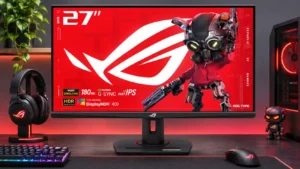
Height, swivel, tilt, and portrait pivot are repeatedly praised for comfort and flexibility. A few find the maximum height a little short.
Pros: value for money, Resolution
Cons: HDR performance, port selection
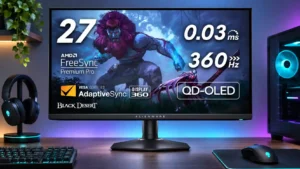
Height, tilt, swivel and pivot adjustments help fit the display to varied positions, and the mounting and movement generally feel straightforward.
Pros: competitive gaming suitability, color gamut
Cons: brightness, HDMI 2.1 support
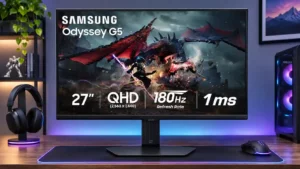
Height, tilt and other positioning options are a major plus, though an owner describes fewer practical adjustments on their unit.
Pros: stand adjustability, competitive gaming suitability
Cons: value for money, port selection
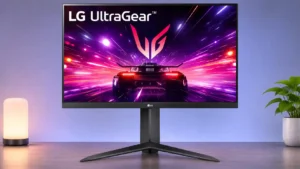
Height adjustment, tilt, and portrait rotation are exceptional conveniences for an inexpensive gaming monitor. The stand gives much more flexibility than tilt-only rivals.
Pros: adaptive sync performance, response time
Cons: HDR performance, console gaming compatibility
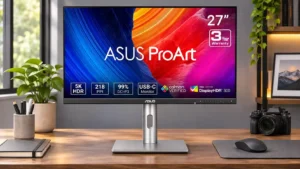
Height, swivel, tilt and pivot flexibility are broadly appreciated, offering more ways to position the screen than many basic stands.
Pros: color accuracy, overall picture quality
Cons: HDR performance, refresh rate
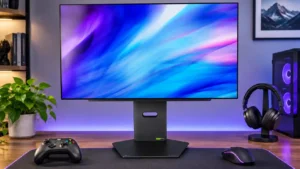
Height, tilt, swivel and portrait pivot are handled smoothly and precisely, making it easy to tailor the panel position.
Pros: refresh rate, competitive gaming suitability
Cons: value for money, brightness
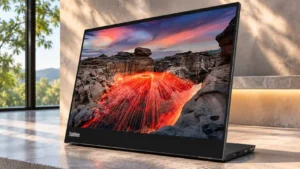
The hinged stand supports broad tilt and positioning changes, along with horizontal and vertical use. Portrait tilt is the main ergonomic limitation.
Pros: overall picture quality, Stylus usability
Cons: port selection, refresh rate

Height, tilt, and swivel ranges are useful, but the heavy screen may wobble or fail to rise high enough for some standing-desk setups.
Pros: overall picture quality, color accuracy
Cons: value for money, built-in speakers
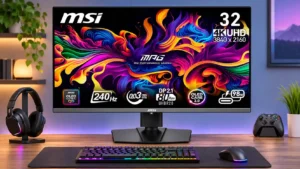
Height, tilt and swivel are generally convenient and solid, but limited pivot prevents portrait use with the stock stand and a few owners report sticking.
Pros: overall satisfaction, DisplayPort connectivity
Cons: value for money, reliability over time
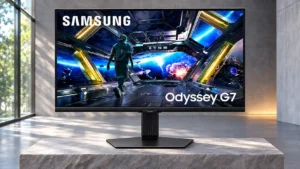
Height, swivel, tilt and pivot flexibility are strengths, with a sturdy base that is easy to position despite some setup and footprint caveats.
Pros: PC gaming compatibility, overall picture quality
Cons: overall satisfaction, Smart TV platform
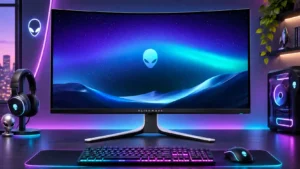
Height, tilt and swivel cover most everyday positioning needs. Lack of pivot and the broad stand shape may limit certain layouts.
Pros: overall satisfaction, brightness
Cons: Dolby Vision support, VRR flicker
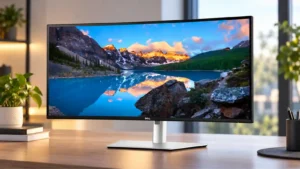
The stand offers useful height, tilt, and swivel adjustment, though portrait rotation is not practical on this ultrawide. A few owners report hinge weakness or shakiness, so a monitor arm...
Pros: overall satisfaction, productivity versatility
Cons: value for money, reliability over time