#1
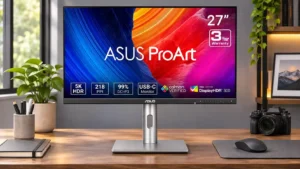
The dense 27-inch 5K panel makes tiny details and interface elements noticeably cleaner than on many lower-resolution screens. The upgrade over a good 4K monitor may be modest to some...
Pros: color accuracy, overall picture quality
Cons: HDR performance, refresh rate
#2
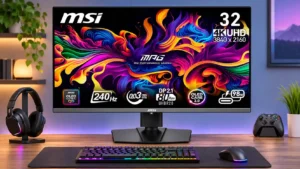
4K sharpness on the large OLED panel makes games and text richly detailed, but high frame rates require a serious GPU.
Pros: overall satisfaction, DisplayPort connectivity
Cons: value for money, reliability over time
#3
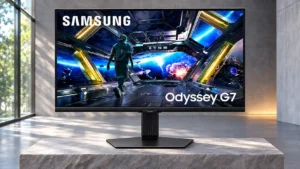
The 4K panel earns consistent praise for detailed games, fine text and console output, particularly at this 32-inch size.
Pros: PC gaming compatibility, overall picture quality
Cons: overall satisfaction, Smart TV platform
#4
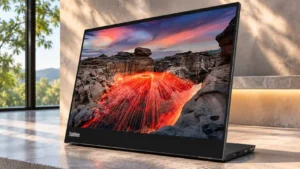
The 2240-by-1400 display brings unusually crisp detail to a 14-inch portable panel. Multiple evaluations call it a meaningful leap from the older 1080p models.
Pros: overall picture quality, Stylus usability
Cons: port selection, refresh rate
#5
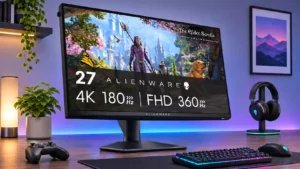
Native 4K at 27 inches delivers unusually sharp desktop and game detail; the trade is softer 1080p output when switching for maximum speed.
Pros: Resolution, refresh rate
Cons: HDR performance, contrast
#6

Its 5120×2160 ultrawide canvas allows dense, detailed multitasking; the unusual 5K2K format is less straightforward for native video content and gaming hardware.
Pros: overall picture quality, color accuracy
Cons: value for money, built-in speakers
#7
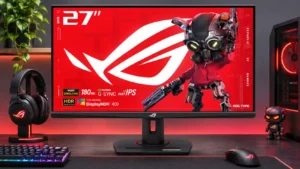
The 2560×1440 resolution strikes a well-liked balance between crisp visuals and manageable GPU demands at 27 inches.
Pros: value for money, Resolution
Cons: HDR performance, port selection
#8

QHD strikes a useful balance between visual detail and the frame rates needed for high-refresh gaming, but it cannot match native 4K sharpness.
Pros: color gamut, overall satisfaction
Cons: reflection handling, VRR flicker
#9
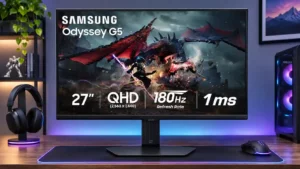
The 27-inch 1440p image provides a pleasing balance of sharp text, detailed gaming visuals and manageable GPU requirements.
Pros: stand adjustability, competitive gaming suitability
Cons: value for money, port selection
#10
Native 4K brings clearly sharper textures, detailed game environments and improved everyday text rendering. Some users need interface scaling, and high frame rates require serious hardware.
Pros: overall satisfaction, brightness
Cons: Dolby Vision support, VRR flicker
#11
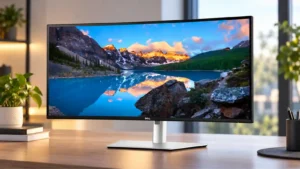
The 3440×1440 resolution is widely liked for productivity and looks crisp to many users, but it is not 4K. At 34 inches, some testers find the pixel density less sharp...
Pros: overall satisfaction, productivity versatility
Cons: value for money, reliability over time
#12
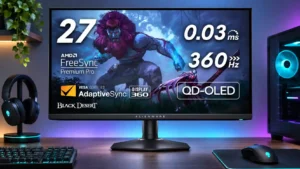
1440p is a useful sweet spot for detailed gaming at very high frame rates, but fine desktop text and modern 4K content cannot match the crispness of true 4K screens.
Pros: competitive gaming suitability, color gamut
Cons: brightness, HDMI 2.1 support
#13
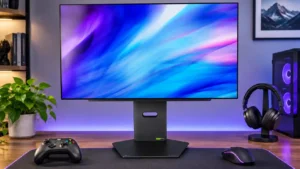
Native 1440p strikes a useful balance for extremely high frame rates and looks pleasing in games. It lacks the extra sharpness of competing 27-inch 4K OLEDs.
Pros: refresh rate, competitive gaming suitability
Cons: value for money, brightness
#14
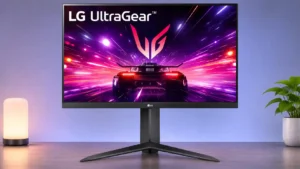
Full HD looks reasonably crisp on a 23.8-inch screen and is easy to drive at high frame rates. It cannot match 1440p for dense text or detailed desktop work.
Pros: adaptive sync performance, response time
Cons: HDR performance, console gaming compatibility
