
The collection of Thunderbolt, USB, HDMI, DisplayPort, audio, and Ethernet connections is exceptionally complete for a monitor.
Pros: overall picture quality, color accuracy
Cons: value for money, built-in speakers

The collection of Thunderbolt, USB, HDMI, DisplayPort, audio, and Ethernet connections is exceptionally complete for a monitor.
Pros: overall picture quality, color accuracy
Cons: value for money, built-in speakers
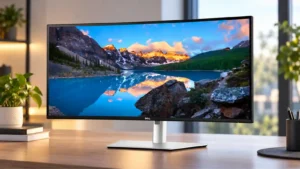
Port selection is a standout strength, with abundant USB-A, USB-C, Thunderbolt, video, Ethernet, and audio connectivity. The monitor can realistically serve as the connection center of a desk setup.
Pros: overall satisfaction, productivity versatility
Cons: value for money, reliability over time

Two HDMI 2.1 ports, DisplayPort, USB-C and multiple USB connections form a flexible setup for PCs, consoles and peripherals.
Pros: color gamut, overall satisfaction
Cons: reflection handling, VRR flicker
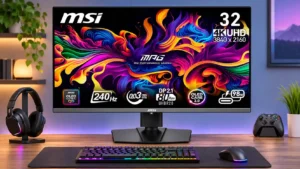
DP 2.1, dual HDMI 2.1, USB-C and USB hub ports provide flexibility. A few reviewers wish for better audio output options.
Pros: overall satisfaction, DisplayPort connectivity
Cons: value for money, reliability over time
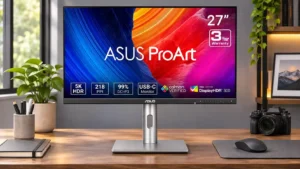
USB-C, HDMI and DisplayPort cover mainstream setups, and the hub is handy. Buyers wanting Thunderbolt, Ethernet or more high-speed ports may find it limited.
Pros: color accuracy, overall picture quality
Cons: HDR performance, refresh rate
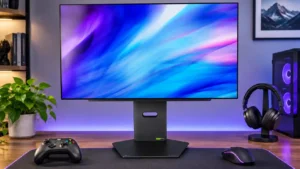
Two HDMI 2.1 sockets, DisplayPort 2.1 and a modest USB hub cover gaming essentials, but the lack of USB-C is conspicuous.
Pros: refresh rate, competitive gaming suitability
Cons: value for money, brightness
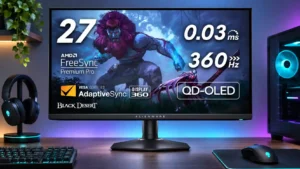
Two DisplayPorts and convenient USB accessory ports are useful, but limited HDMI bandwidth, no USB-C video input and the lack of audio output make connectivity feel incomplete.
Pros: competitive gaming suitability, color gamut
Cons: brightness, HDMI 2.1 support
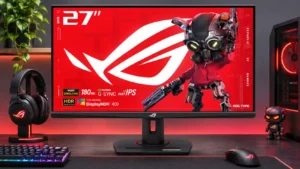
DisplayPort, HDMI, and USB-C video provide useful flexibility, but a single HDMI on some configurations and missing USB-A hub limit elaborate setups.
Pros: value for money, Resolution
Cons: HDR performance, port selection
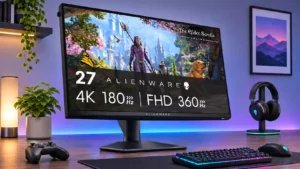
The HDMI, DisplayPort and downstream USB selection is useful, but a USB-C video input and analog audio jack are conspicuous omissions at this price.
Pros: Resolution, refresh rate
Cons: HDR performance, contrast
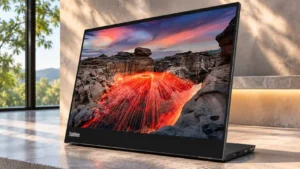
Two USB-C ports on opposite sides are handy for laptop placement and power passthrough. The absence of HDMI or other input types significantly reduces compatibility.
Pros: overall picture quality, Stylus usability
Cons: port selection, refresh rate
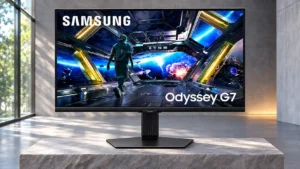
There are useful HDMI and DisplayPort connections, but the absence of USB-C video and charging disappoints people comparing productivity-focused monitors.
Pros: PC gaming compatibility, overall picture quality
Cons: overall satisfaction, Smart TV platform
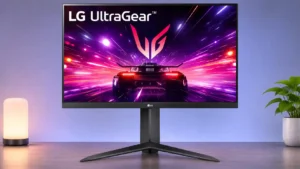
One HDMI, one DisplayPort, and a headphone jack cover basic gaming. Missing USB-C and USB ports reduce versatility.
Pros: adaptive sync performance, response time
Cons: HDR performance, console gaming compatibility
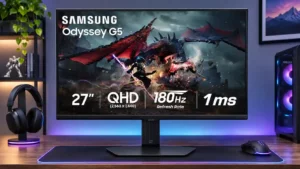
Just the basic video connections and audio output are available; missing USB-C and a hub reduce desk flexibility.
Pros: stand adjustability, competitive gaming suitability
Cons: value for money, port selection
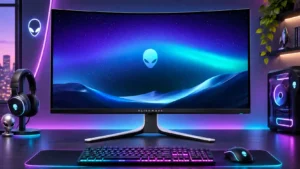
Two strong HDMI connections and a useful USB hub serve gamers well. Limited USB-C functionality, missing KVM and no ordinary audio jack are recurring omissions.
Pros: overall satisfaction, brightness
Cons: Dolby Vision support, VRR flicker