Best for VRR compatibility
Samsung Odyssey OLED G6 G60SF
5.0 attribute score
Highest scored product for this attribute based on supporting review evidence.

Highest scored product for this attribute based on supporting review evidence.
Balances the attribute score, supporting reviews, and overall product strength.
Has the broadest review evidence for this attribute.
Strongest overall product among items with scored evidence for this attribute.
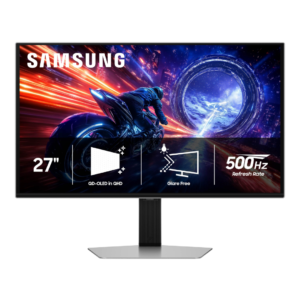
VRR support covers both AMD FreeSync Premium Pro and Nvidia G-Sync compatibility, giving broad GPU flexibility.
Pros: overall satisfaction, competitive gaming suitability
Cons: value for money, screen size
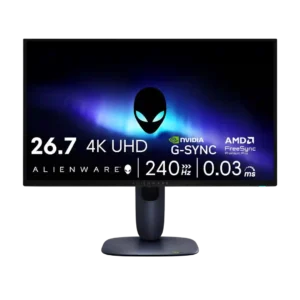
VRR compatibility was strong overall, with broad format support and smooth results, despite one review noting OLED VRR flicker in some dark scenes.
Pros: value for money, sharpness
Cons: brightness, USB hub functionality
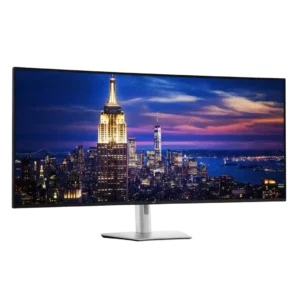
VRR helps maintain smoother motion when frame rates vary and is a welcome addition to the 120Hz panel. Certification and behavior may still depend on the connected system.
Pros: productivity versatility, overall satisfaction
Cons: value for money, response time
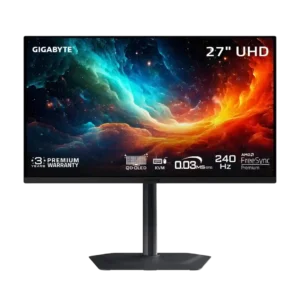
Variable refresh operation is generally smooth and tear-free, with stable OLED response across refresh rates. Flicker can appear when frame rates become low and inconsistent.
Pros: motion clarity, PC gaming compatibility
Cons: color accuracy, software support
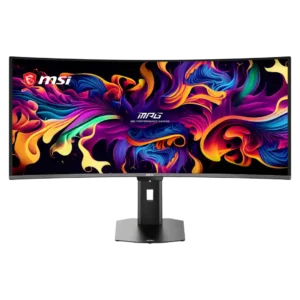
VRR works across Nvidia, AMD, HDMI 2.1 consoles, and a broad 48–360Hz range. Dark-scene brightness flicker remains the main limitation.
Pros: overall satisfaction, sharpness
Cons: Resolution, cable management
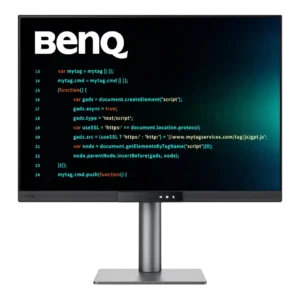
Variable refresh works with AMD FreeSync and has also been reported with unofficial Nvidia G-Sync. That broad compatibility helps casual gaming feel smoother.
Pros: productivity versatility, aspect ratio
Cons: value for money, competitive gaming suitability
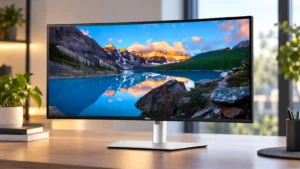
Variable refresh rate over HDMI adds useful flexibility for occasional gaming. The support is limited by connection path rather than being a broad gaming-focused implementation.
Pros: overall satisfaction, productivity versatility
Cons: value for money, reliability over time
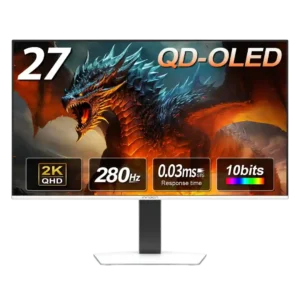
VRR delivers smooth, tear-free play once enabled, but dark scenes and loading screens may show the flicker common to OLED displays.
Pros: color gamut, overall picture quality
Cons: brightness, HDR performance
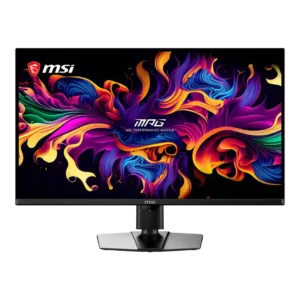
VRR works with compatible Nvidia and AMD hardware across a broad 48–240Hz range. Like other OLEDs, the monitor can show brightness flicker during unstable frame rates, though reviewers generally found...
Pros: brightness, reflection handling
Cons: cable management
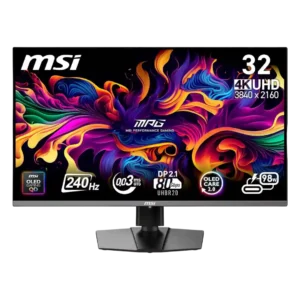
G-Sync and Adaptive Sync support work broadly across PCs and consoles, keeping motion tear-free. Several reviewers still noticed the familiar OLED VRR flicker during loading screens or abrupt frame-rate changes.
Pros: color accuracy, value for money
Cons: reliability over time, brightness
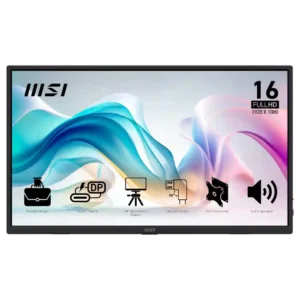
VRR support is effectively absent, which limits gaming smoothness and flexibility.
Pros: value for money, portability and weight
Cons: built-in speakers, color gamut