
360Hz operation, near-instant response and low lag are excellent for shooters and esports when the PC can deliver high frame rates.
Pros: color gamut, overall satisfaction
Cons: reflection handling, VRR flicker

360Hz operation, near-instant response and low lag are excellent for shooters and esports when the PC can deliver high frame rates.
Pros: color gamut, overall satisfaction
Cons: reflection handling, VRR flicker
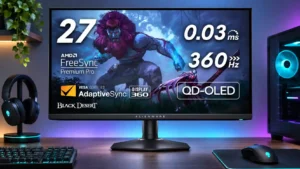
Exceptional clarity, low lag and up to 360Hz make this a particularly strong competitive PC gaming screen when the system can deliver high frame rates.
Pros: competitive gaming suitability, color gamut
Cons: brightness, HDMI 2.1 support
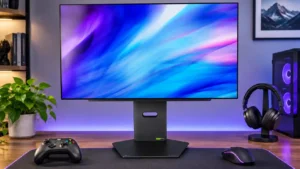
This is a standout fit for serious esports players who can drive 1440p at very high frame rates: targets stay crisp and controls feel immediate.
Pros: refresh rate, competitive gaming suitability
Cons: value for money, brightness
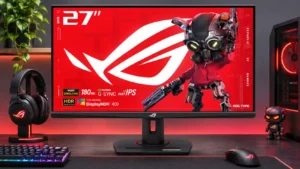
Fast pixel transitions, low latency, and 180Hz refresh suit quick multiplayer games particularly well. Extreme esports players may still want higher refresh rates.
Pros: value for money, Resolution
Cons: HDR performance, port selection
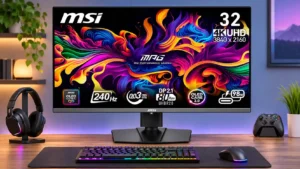
240Hz OLED motion and fast response earn strong marks for shooters. AI-assisted tools warrant caution in online play, and 4K demands considerable GPU power.
Pros: overall satisfaction, DisplayPort connectivity
Cons: value for money, reliability over time
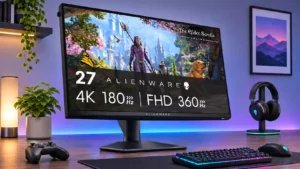
The 1080p/360Hz mode gives fast, low-lag play without buying a separate esports screen. Its pixel response and softer fine details mean dedicated high-end 360Hz displays can still be better for...
Pros: Resolution, refresh rate
Cons: HDR performance, contrast
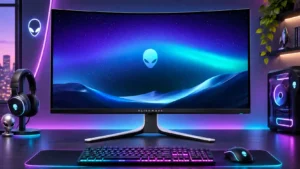
Very low lag, fast pixels and 240Hz make competitive play responsive; extreme esports players may prefer 360Hz or 480Hz alternatives and smaller screens.
Pros: overall satisfaction, brightness
Cons: Dolby Vision support, VRR flicker
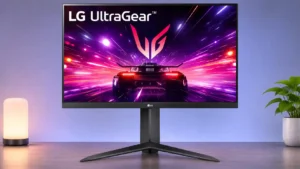
Fast refresh, low input lag, and usable motion tuning make this a capable affordable esports screen. Higher-refresh rivals are better for the most demanding competitive players.
Pros: adaptive sync performance, response time
Cons: HDR performance, console gaming compatibility
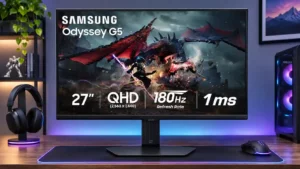
It feels fast and responsive enough for many competitive games, but motion blur and stronger alternatives prevent a top-tier esports recommendation.
Pros: stand adjustability, competitive gaming suitability
Cons: value for money, port selection
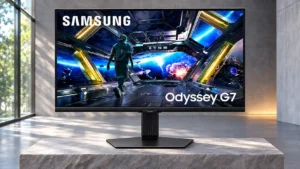
Low lag and 144Hz motion make it capable for competitive play, but players chasing much higher refresh rates or pristine low-fps motion have better options.
Pros: PC gaming compatibility, overall picture quality
Cons: overall satisfaction, Smart TV platform
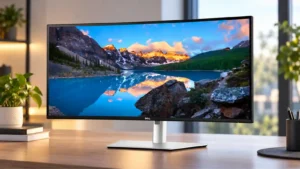
Competitive gaming is not this monitor’s strength. Its response time, lack of FreeSync/G-Sync, limited HDR, and productivity-first tuning make dedicated gaming monitors the better fit for serious players.
Pros: overall satisfaction, productivity versatility
Cons: value for money, reliability over time

Its huge resolution, 120Hz ceiling, and relatively slow pixel response put it behind esports-focused screens for the fastest shooters.
Pros: overall picture quality, color accuracy
Cons: value for money, built-in speakers
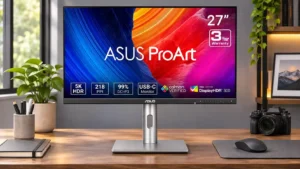
A 60Hz refresh ceiling and visible motion blur make this a poor substitute for a fast gaming monitor.
Pros: color accuracy, overall picture quality
Cons: HDR performance, refresh rate
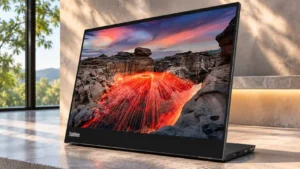
Fast characters and interface details blur under motion, with the 60Hz limit offering no competitive advantage. Reviewers explicitly advise serious gamers to look elsewhere.
Pros: overall picture quality, Stylus usability
Cons: port selection, refresh rate