
The native 360Hz panel delivers wonderfully fluid motion, especially over 240fps; that advantage shrinks in slower games or on consoles.
Pros: color gamut, overall satisfaction
Cons: reflection handling, VRR flicker

The native 360Hz panel delivers wonderfully fluid motion, especially over 240fps; that advantage shrinks in slower games or on consoles.
Pros: color gamut, overall satisfaction
Cons: reflection handling, VRR flicker
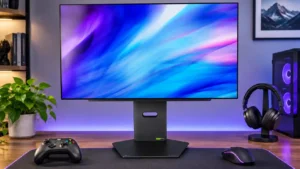
A native 480Hz refresh makes motion dramatically smooth and is its clearest reason to buy, provided the PC can render enough frames.
Pros: refresh rate, competitive gaming suitability
Cons: value for money, brightness
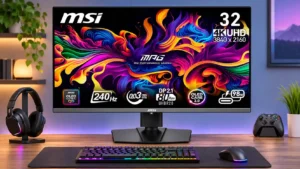
At 240Hz, fast gameplay is exceptionally fluid, though demanding 4K games often run far below the ceiling.
Pros: overall satisfaction, DisplayPort connectivity
Cons: value for money, reliability over time
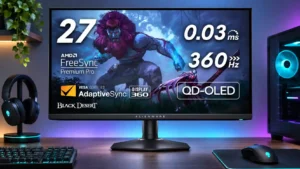
Native 360Hz refresh is the headline advantage, bringing exceptional speed and refined motion for esports without requiring lower resolution on the panel itself.
Pros: competitive gaming suitability, color gamut
Cons: brightness, HDMI 2.1 support
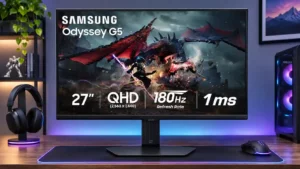
The 180Hz panel makes desktop movement and games noticeably smoother than common 60–75Hz displays.
Pros: stand adjustability, competitive gaming suitability
Cons: value for money, port selection
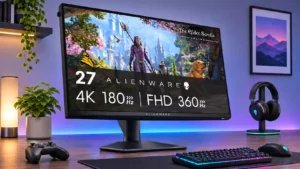
The advertised 4K/180Hz and FHD/360Hz modes are the headline strengths, though the top rates require overclock settings and 360Hz cannot always be fully resolved by the IPS pixels.
Pros: Resolution, refresh rate
Cons: HDR performance, contrast

The 120Hz refresh rate consistently improves scrolling, window movement, and perceived fluidity over 60Hz work displays.
Pros: overall picture quality, color accuracy
Cons: value for money, built-in speakers
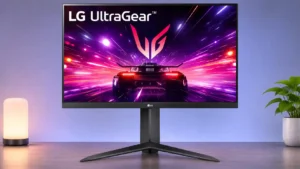
A 180Hz refresh rate makes camera movement, aiming, and scrolling noticeably smoother than ordinary 60Hz screens. Faster 240Hz and 280Hz alternatives exist.
Pros: adaptive sync performance, response time
Cons: HDR performance, console gaming compatibility
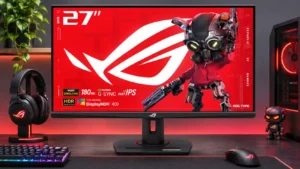
The 180Hz maximum makes gameplay fluid and responsive for the price, though enthusiasts seeking 240Hz or more may want another model.
Pros: value for money, Resolution
Cons: HDR performance, port selection
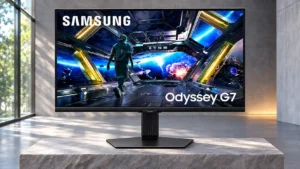
The 144Hz ceiling is widely liked for responsive 4K gaming, though it is below the fastest esports-oriented alternatives and demands a capable PC to exploit fully.
Pros: PC gaming compatibility, overall picture quality
Cons: overall satisfaction, Smart TV platform
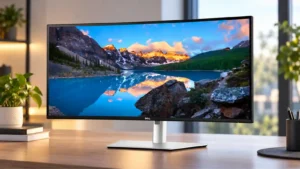
The 120Hz refresh rate makes motion and cursor movement noticeably smoother and is a welcome upgrade over 60Hz. For office-only users, the benefit can feel modest relative to the added...
Pros: overall satisfaction, productivity versatility
Cons: value for money, reliability over time
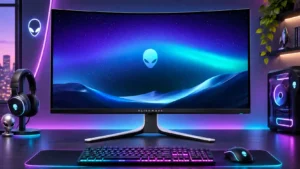
The jump to 240Hz offers obvious smoothness and clarity when supported by high frame rates. Even below its ceiling, the fast OLED panel stays responsive.
Pros: overall satisfaction, brightness
Cons: Dolby Vision support, VRR flicker
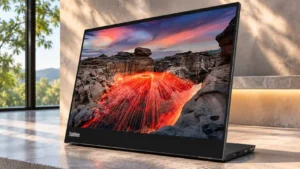
A 60Hz limit is acceptable for office work, videos, and some casual games. It falls behind higher-refresh monitors for fast or competitive play.
Pros: overall picture quality, Stylus usability
Cons: port selection, refresh rate
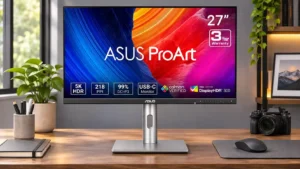
The 60Hz ceiling is repeatedly cited as dated, especially beside modern high-refresh laptop screens and for fast video or gaming.
Pros: color accuracy, overall picture quality
Cons: HDR performance, refresh rate